အစပြု
Turkish
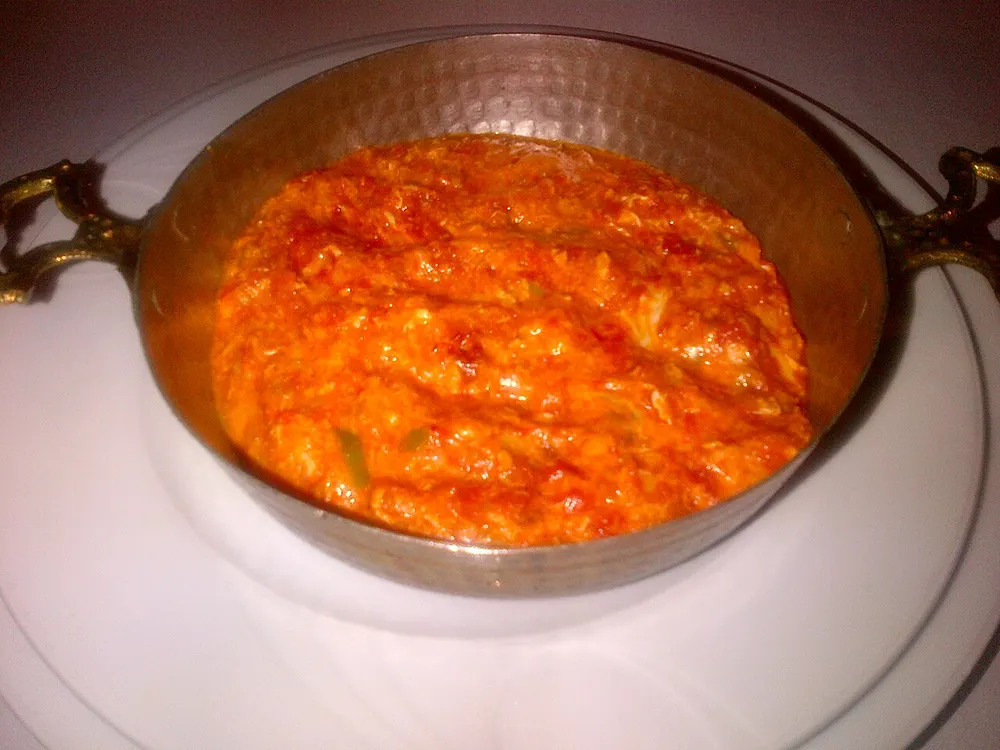
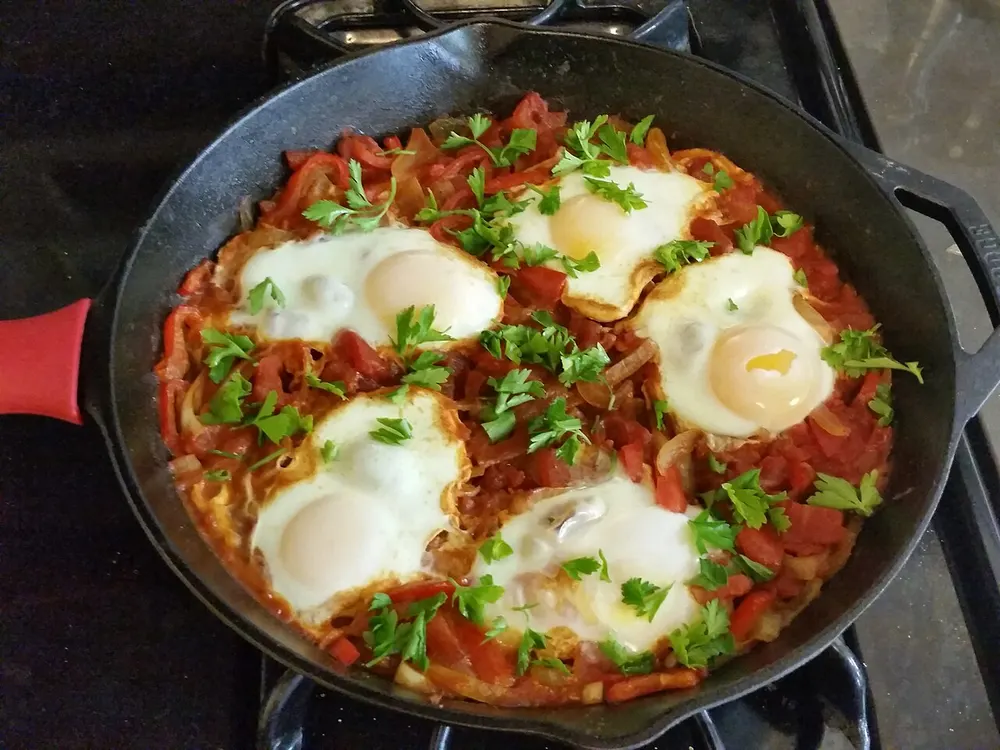
Menemen (Turkish Scrambled Eggs)
မူလအရင်းအမြစ်: Home cook
20 မိနစ်2260 kcal
သက်သတ်လွတ်ဂလူတင်ကင်းဟာလာ🌶️
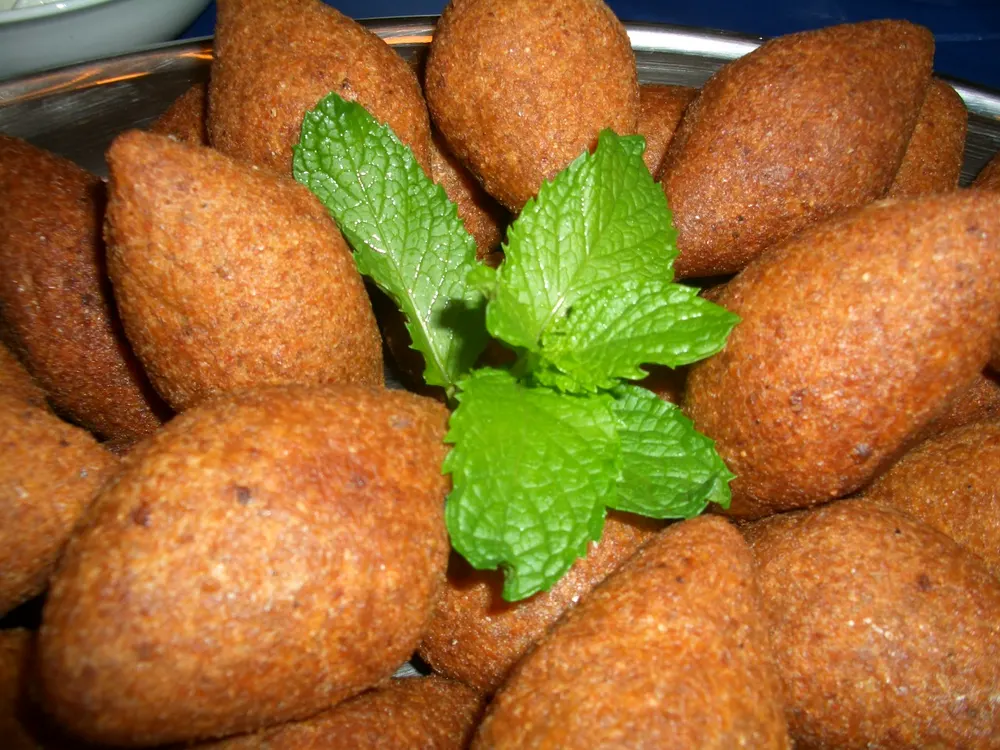
The national dish of Lebanon and Syria: a bulgur-and-lamb shell moulded around spiced, pine-nutted filling into a pointed torpedo, then deep-fried.
မူလအရင်းအမြစ်
ချက်ပြုတ်နည်း — Lebanese home kitchens · 🏺 Traditional · Lebanese household cooking
Lebanese / Levantine home cooking — A dish popular across the Arab world and the Levant in particular, made of spiced lean ground meat and bulgur wheat, and considered a national dish of both Lebanon and Syria. It takes many forms — baked in a tray, served raw, cooked in yogurt — and the pointed deep-fried torpedo below is the most widely recognized. No single author: shaping kibbeh by hand is a household skill passed down rather than a published recipe.
Wikipedia တွင် နောက်ခံအချက်အလက် ↗
ချက်နေပုံ ကြည့်ရန် · ဗီဒီယို 3 ခု
Rinse the fine bulgur, then cover it with cold water and soak 20 minutes. Drain it and squeeze out every drop of water you can.
💡 Squeeze it in a clean towel, hard. Wet bulgur makes a shell that will not hold a shape and bursts in the oil.
Make the filling first: heat the olive oil in a pan and toast the pine nuts over medium heat for 2 minutes, until golden. Lift them out.
💡 Pine nuts go from pale to burnt in seconds and they are expensive. Take them out the shade before you think they are done.
In the same pan, cook the diced onion until soft, about 5 minutes, then add the filling lamb and brown it, breaking it up as it goes.
Season the filling with 1 tsp allspice, 1/2 tsp cinnamon, salt and pepper, stir the pine nuts back in, and leave it to cool completely.
💡 Warm filling steams inside the shell and splits it open in the fryer. Cool is not optional — spread it on a plate to speed it up.
Now the shell: put the squeezed bulgur, the twice-minced lean lamb, the pulped onion, 1 tsp allspice, 1/2 tsp cinnamon and salt into a food processor.
Blend it to a completely smooth, sticky paste — like putty. Stop and scrape down the sides a few times.
💡 This is where kibbeh is won or lost. Any grain left in the paste becomes a crack, and every crack becomes a hole in the fryer. It should feel like clay, not like mince.
Chill the shell paste for 30 minutes.
💡 Cold paste is dramatically easier to shape. Room-temperature paste sticks to everything including itself.
Set a bowl of iced water beside you and keep your hands wet throughout the shaping.
Take a golf-ball of paste. Hold it in one palm and push your wet index finger into the centre, rotating the ball to hollow it into a thin-walled cup.
💡 Aim for walls about 5 mm thick. Thin walls are the mark of a good kibbeh maker — and they are also where beginners tear through. Your first three will fail; that is normal and they can be patched and re-rolled.
Spoon in a little cooled filling — about a teaspoon and a half — without overpacking.
Pinch the opening closed and roll the whole thing between your palms into a torpedo, tapering both ends to a point.
💡 Seal it properly and inspect it. Any crack, however small, lets oil in and filling out — a single split kibbeh will cloud and foam the whole pan of oil.
Shape the rest, setting them on a tray, and chill them for 15 minutes while the oil heats.
Heat the frying oil to 175°C.
Fry the kibbeh in small batches for 5–6 minutes, turning, until deep brown and crisp all over.
💡 Lower them in gently with a spider, do not drop them. And do not crowd the pan — the temperature crash is what makes kibbeh greasy and soft-shelled.
Drain on paper towel and serve hot, with yogurt or a squeeze of lemon.
Turkish
မူလအရင်းအမြစ်: Home cook
Levantine
မူလအရင်းအမြစ်: Home cook
Levantine
မူလအရင်းအမြစ်: Traditional
Middle Eastern / North African
မူလအရင်းအမြစ်: Home cook
ချက်ပြီးပြီလား? ဓာတ်ပုံကို ပြသရန်တွင် မျှဝေပါ။
သင်ချက်ခဲ့သည်ကို မျှဝေပါ →