Mittel
Moroccan
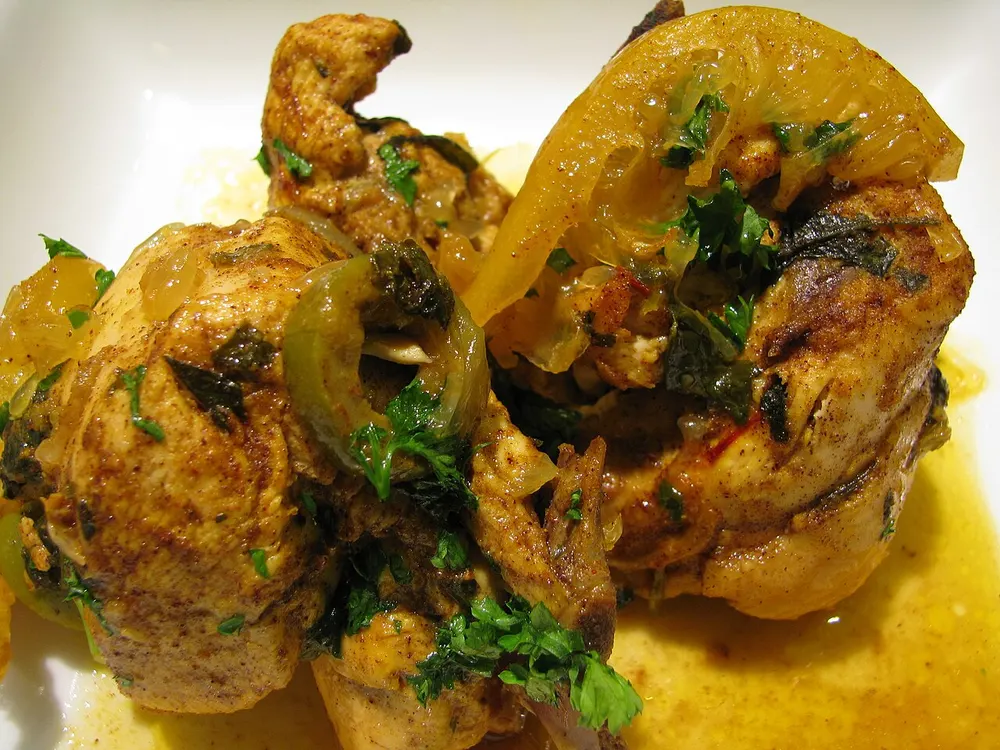
Chicken Tagine with Olives and Lemon
Quelle: Traditionell
90 Min.4420 kcal
HalalGlutenfreiLaktosefrei
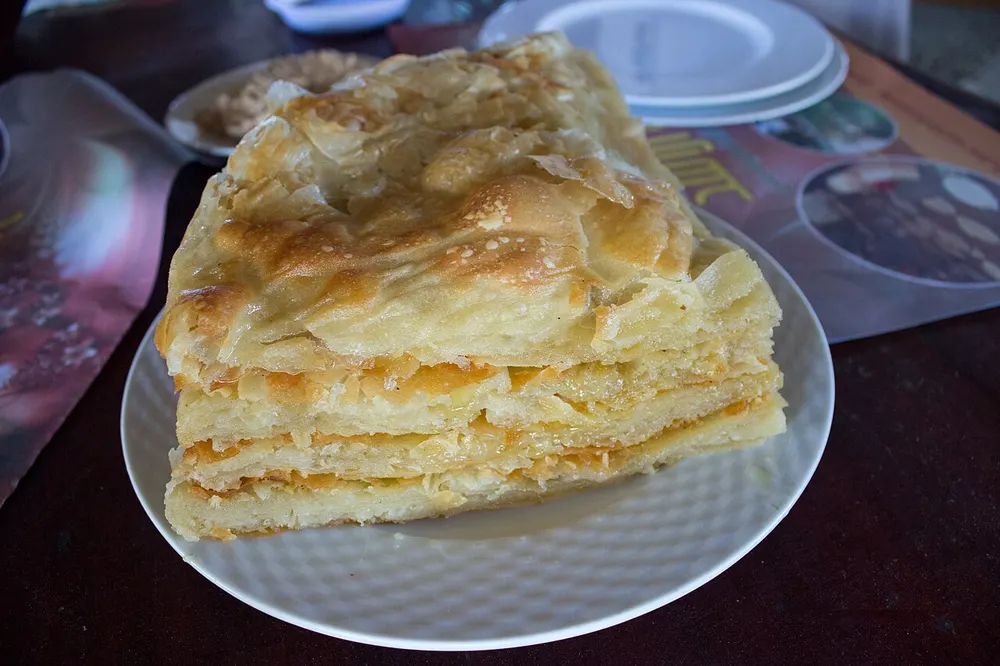
Dough stretched until you can read through it, brushed with ghee, folded, stretched and folded again until it holds dozens of layers, then baked into a flat golden cushion. The name means 'cushioned pie'. Torn at the table and dipped in honey or eaten with salty mish cheese and olives — it is what Egyptian hospitality looks like.
Quelle
Rezept von Egyptian home kitchens · 🏺 Traditionell · Everyday Egyptian cooking — the fava beans, bread, greens and slow tomato pots that fill tables from Cairo apartments to Delta villages.
Egypt · the cushion pie — An ownerless traditional dish, so no cook is credited. The cited article confirms feteer meshaltet — literally 'cushioned pie' — as a traditional Egyptian flaky layered pastry composed of numerous thin layers of dough and ghee, typically served with sweet or savoury accompaniments such as honey, molasses or jam, or cheeses such as mish with olives and torshi; that pies made from the same dough with fillings instead of layers are called simply feteer; and that it is considered a symbol of hospitality in Egypt, traditionally offered to guests and prepared for holidays and weddings. The stretching method, the oiled-table rule, timings and quantities are this book's own.
Zubereitung im Video · 3 Videos
Mix the flour, water, salt, sugar and oil into a soft dough. Knead 12 minutes until it is very smooth and stretchy. Divide into 6 balls, coat each in ghee and rest 45 minutes.
💡 The long rest is what lets the gluten give. Stretch a rested ball and it goes transparent; stretch an unrested one and it tears in the middle every time.
Oil a large table or worktop generously. Flatten one ball on it and, working from the centre outwards with flat hands, stretch it until it is a thin sheet you can see the table through.
Brush all over with melted ghee. Fold the sides into the middle to make a square parcel, then set aside. Repeat with the rest.
Take the first parcel, stretch it out again to a large square and brush with ghee. Stack the next parcel in the middle of it and fold the sides over. Keep stacking and folding all six.
Press the final parcel into a greased 28 cm round tin, brush the top with ghee and bake at 220 °C for 35–40 minutes until the top is blistered dark gold and the sides pull away.
Rest 10 minutes and tear apart by hand. Serve honey on one side of the table and cheese and olives on the other.
Moroccan
Quelle: Traditionell
Egyptian
Quelle: Hausmannskost
West African / Nigerian
Quelle: Traditionell
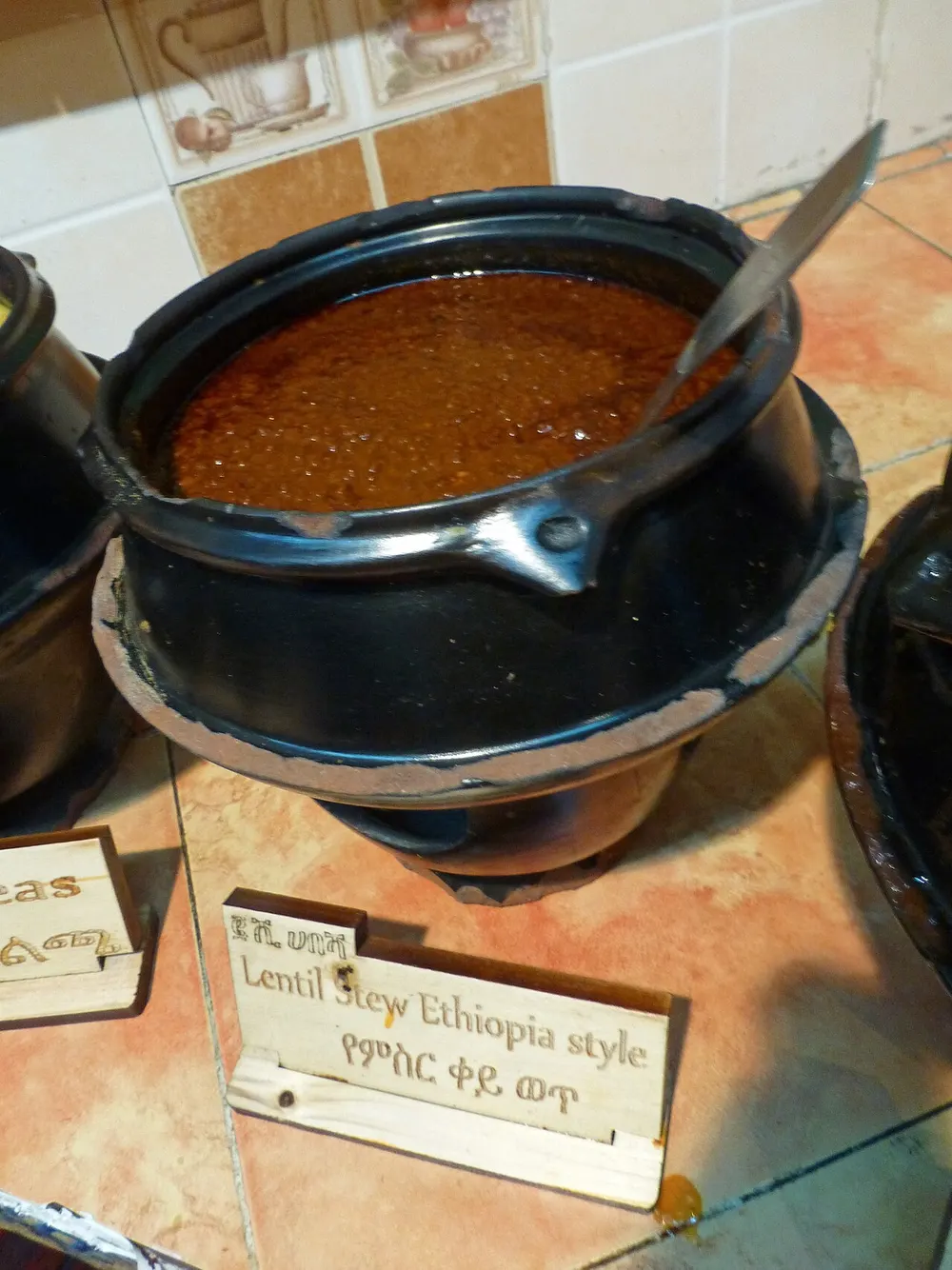
Ethiopian
Quelle: Hausmannskost
Nachgekocht? Teile ein Foto in der Galerie.
Zeig dein Werk →