
ဓာတ်ပုံ မကြာမီ ထည့်ပါမည်
အစပြု
French
Classic French Omelette
မူလအရင်းအမြစ်: Chef
10 မိနစ်1300 kcal
သက်သတ်လွတ်ဂလူတင်ကင်းကာဗိုဟိုက်ဒရိတ်နည်း+1
Lisbon's blistered custard tart: a shatteringly crisp spiral of puff pastry filled with a loose vanilla-and-lemon egg custard, baked in a furnace-hot oven until the top is scorched black in spots. The tart the Portuguese carried to Macau, Goa and Brazil.
မူလအရင်းအမြစ်
ချက်ပြုတ်နည်း — Belém convent tradition · 🏺 Traditional · The convent-sweet tradition of Belém in Lisbon, where monks turned surplus egg yolks into custard pastries — the origin of the pastel de nata
Portuguese (Lisbon/Belém) · traditional dish — An ownerless traditional dish, so no cook is credited. The cited article records that the tart was created before the 18th century by Catholic monks at the Jerónimos Monastery in Belém, Lisbon (convents used egg whites to starch garments, leaving surplus yolks); that after the monastery closed in 1834 the recipe was sold and the Fábrica de Pastéis de Belém opened in 1837; and — the colonial-crossroads point of this book — that the tart spread to former Portuguese colonies including Brazil, Mozambique, Macau, Goa, Malacca and Timor-Leste, with the Macau version later carried across East and Southeast Asia. Quantities and method here are this book's own.
Wikipedia တွင် နောက်ခံအချက်အလက် ↗
ချက်နေပုံ ကြည့်ရန် · ဗီဒီယို 3 ခု
Make a syrup: put the sugar, water, lemon peel and cinnamon stick in a small pot and heat until it reaches a light syrup, about 3 minutes at a steady boil. Turn it off and leave the peel and cinnamon to steep.
Whisk the flour into the cold milk until smooth, then heat it gently, stirring constantly, until it thickens into a loose paste. Take it off the heat.
Strain the warm syrup (discard peel and cinnamon) and pour it in a thin stream into the milk mixture, whisking hard the whole time. Let it cool for 5 minutes, then whisk in the egg yolks and the vanilla. Pass the custard through a sieve — it should be thin and pourable.
💡 Adding hot syrup slowly while whisking is what stops the yolks from scrambling. Pour it in all at once and you get sweet lemon scrambled egg.
Roll the pastry sheet up into a tight log, then slice it into 12 rounds. Press each round into a muffin hole with your thumbs, working the pastry up the sides so the spiral lines show — thin at the bottom, a little lip at the top.
💡 Dip your thumbs in cold water so the pastry does not stick. The base should end up thin — a thick base steams instead of crisping.
Heat the oven as hot as it will go, at least 250°C. Fill each pastry case about three-quarters with the custard — no more, it rises. Bake for 12–15 minutes, until the pastry is crisp and the tops are blistered with dark, almost-burnt spots.
💡 Those black scorch marks are not a mistake — they are the flavour and the sign the oven was hot enough. A pale, evenly yellow tart was underbaked. If your oven cannot reach 250°C, bake near the top under the grill for the last few minutes.
Cool for a few minutes in the tin, then eat warm — dusted with cinnamon if you like. They are best within a couple of hours of baking, while the pastry is still crisp.
French
မူလအရင်းအမြစ်: Chef
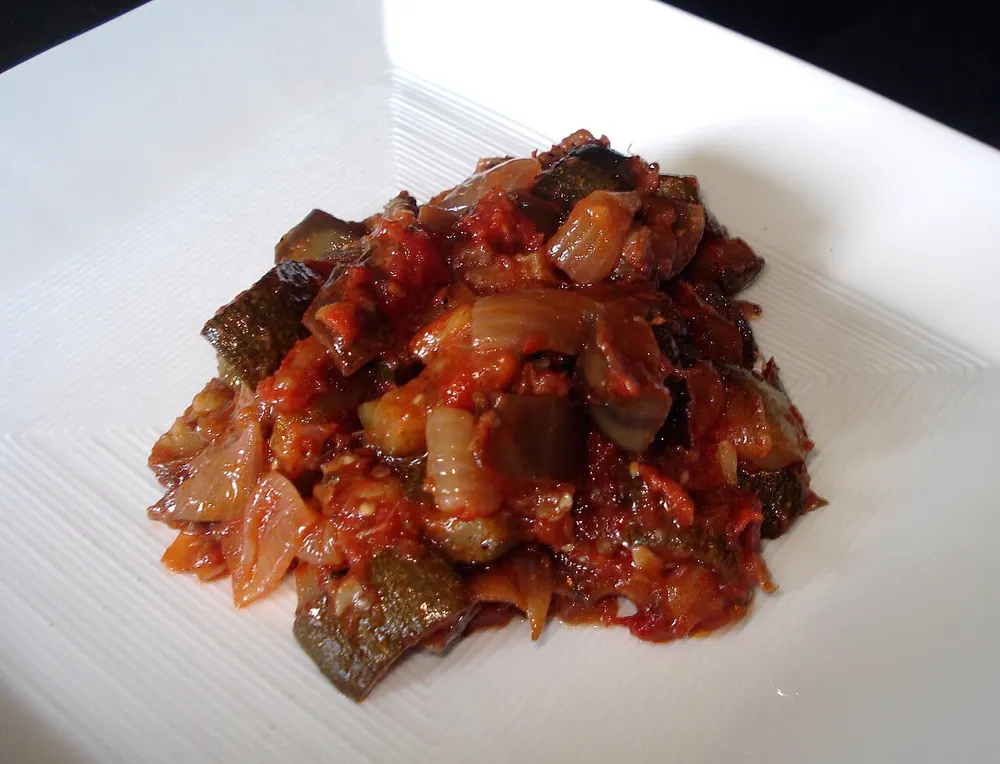
French
မူလအရင်းအမြစ်: Traditional
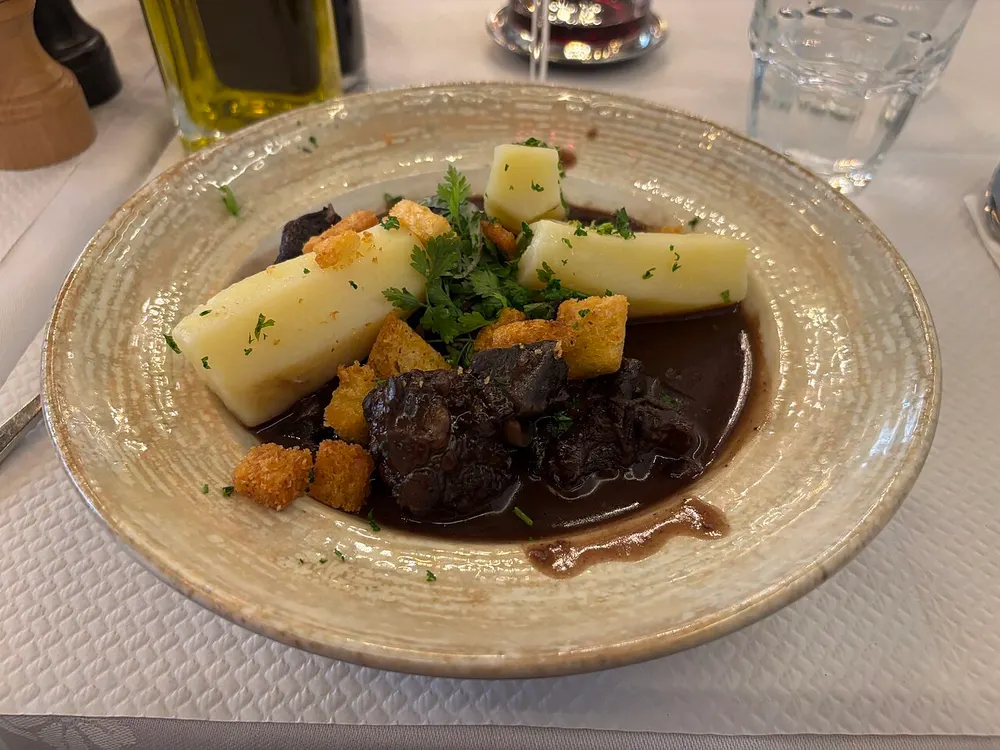
French
မူလအရင်းအမြစ်: Chef
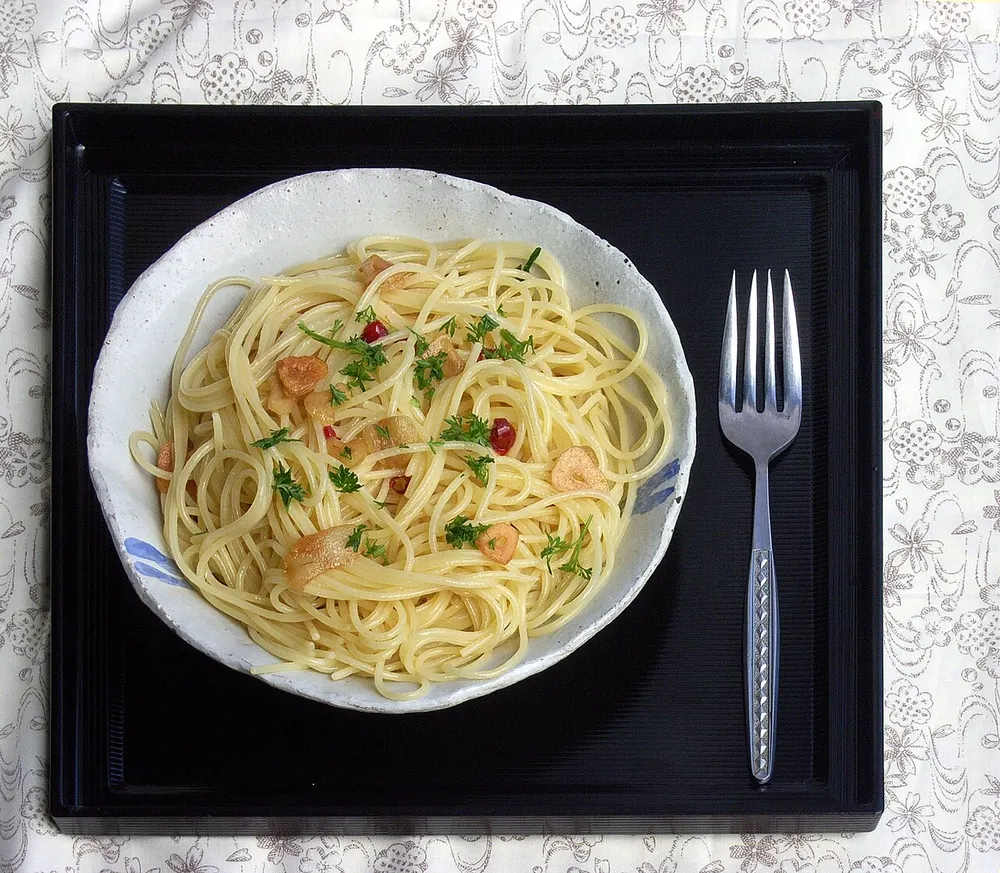
Italian
မူလအရင်းအမြစ်: Home cook
ချက်ပြီးပြီလား? ဓာတ်ပုံကို ပြသရန်တွင် မျှဝေပါ။
သင်ချက်ခဲ့သည်ကို မျှဝေပါ →