มือใหม่
Korean
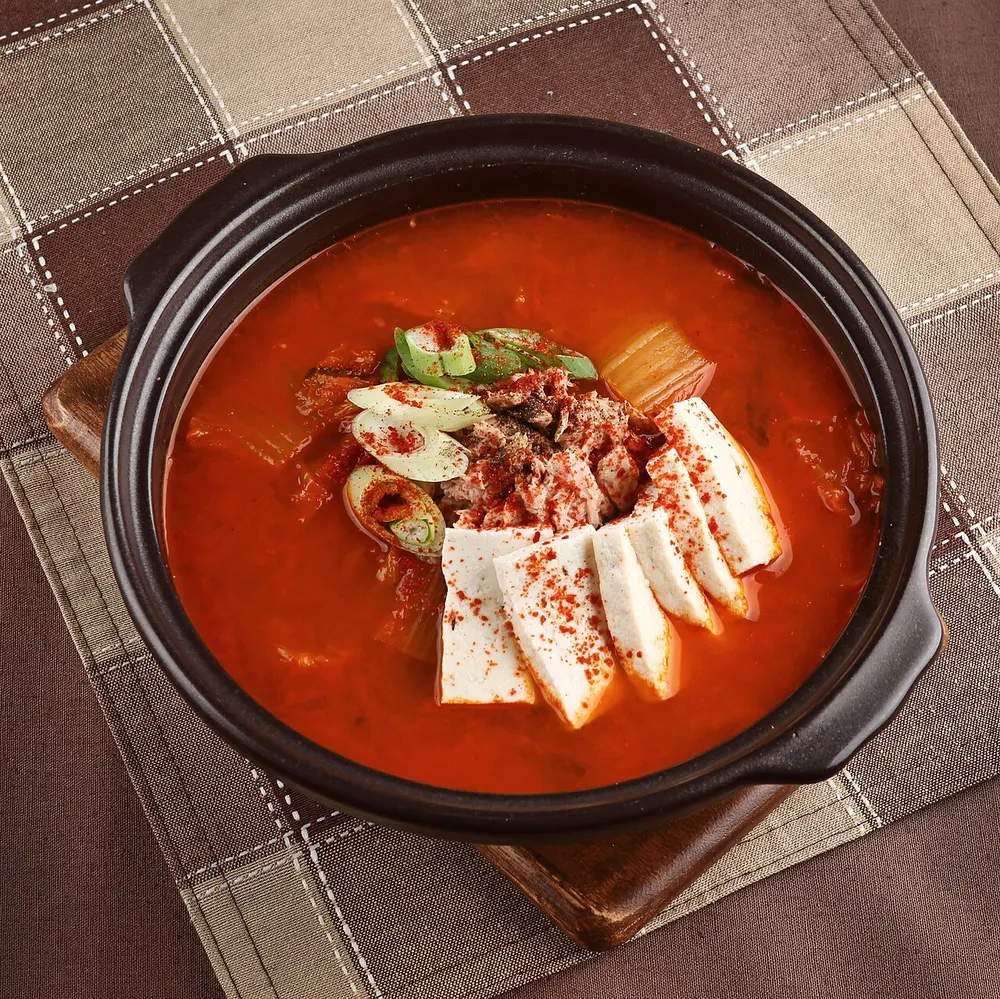
Kimchi Jjigae (Kimchi Stew)
แหล่งที่มา: ดั้งเดิม
30 นาที3420 แคล
ปลอดนม🌶️🌶️
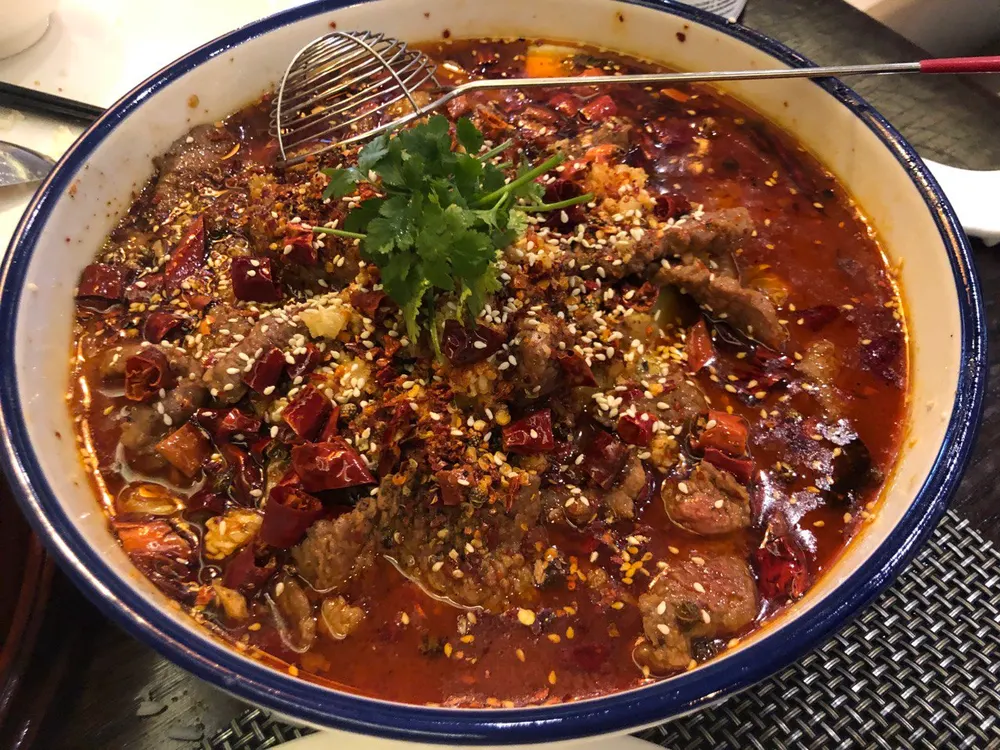
Silky beef slices poached for barely half a minute and laid over crisp vegetables, then buried under toasted chilies and Sichuan pepper and hit with a ladle of smoking oil at the table.
แหล่งที่มา
สูตรโดย Sichuan home kitchens · 🏠 ครัวบ้าน · A Sichuan restaurant-and-home classic — no single author
Sichuan classic / 川菜名菜 — Shuizhu means, literally, 'water-boiled (meat)' — a name that undersells it badly. The technique is the point: the meat is coated in water, starch and salt, then poached for 20–30 seconds only, just long enough to lose its rawness while staying tender, and laid over boiled vegetables. Near-smoking oil is then poured over minced chili, Sichuan pepper and garlic heaped on top, which is where the dish's heat and its numbing 'ma' arrive at once.
ดูวิธีทำเป็นวิดีโอ · 2 วิดีโอ
Slice the beef across the grain, 2–3 mm thin. Freezing it for 20 minutes first makes this far easier.
💡 Across the grain, always. Cutting along the grain leaves long muscle fibres intact and the beef eats stringy however carefully you cook it.
Put the beef in a bowl with the salt and Shaoxing wine, then add the 30 ml of water a splash at a time, kneading between each addition until the meat has drunk it all up.
💡 This step looks pointless and is the whole secret. Beaten-in water is held inside the muscle by the starch coating that follows, and it is why restaurant shuizhu beef is impossibly tender.
Mix in the egg white and cornstarch until every slice is coated in a slippery film. Leave it 20 minutes.
Cut the vegetables into big pieces. Blanch them in boiling water for 1 minute, then drain well and spread them across the bottom of a deep serving bowl.
💡 Drain them properly. Wet vegetables release water into the finished bowl and dilute a broth you spent twenty minutes building.
Toast half the chilies (snipped) and half the peppercorns in a dry wok over low heat for about 1 minute, until dark and fragrant. Tip them out and chop them roughly — this is the topping.
Wipe the wok, add 30 ml of oil over medium, and fry the doubanjiang with the ginger and half the garlic for 1 minute, until the oil glows red.
Pour in the stock, add the remaining snipped chilies and peppercorns, the soy and the sugar, and simmer 5 minutes.
Strain the broth if you want it clean, or leave it rustic. Return it to the wok and bring it to a bare simmer — small bubbles at the edge, not a rolling boil.
💡 This temperature is the crux of the dish. A rolling boil rips the starch coating off the beef and turns the broth into cloudy glue; a bare simmer sets the coating gently.
Slide the beef slices in one at a time, spreading them out so they do not clump. Poach 20–30 seconds only — the moment they turn from red to pale, they are done.
💡 Twenty seconds. Not two minutes. The name says 'water-boiled' but the beef barely meets the water — this is the step where beginners overshoot and end up with grey, tight meat.
Lift the beef out with a slotted spoon onto the vegetables, then ladle enough broth over to come halfway up.
Pile the chopped toasted chili and pepper mixture over the beef, and scatter the rest of the raw minced garlic on top of that.
💡 The garlic goes on raw, and it matters — the hot oil in the next step cooks it for exactly one second, which is where that sharp, sweet garlic hit comes from.
Heat the remaining 70 ml of oil in a small pan over high until it shimmers hard and the first wisp of smoke rises.
Pour it straight over the chili and garlic. It should crackle and roar and throw up a cloud of scent — that noise is the dish announcing itself.
💡 If it does not sizzle loudly, the oil was not hot enough and the chilies will taste raw and greasy rather than toasted. Stand back as you pour.
Throw on the cilantro and scallion and take it to the table while it is still crackling.
Korean
แหล่งที่มา: ดั้งเดิม
Korean
แหล่งที่มา: ครัวบ้าน
Korean
แหล่งที่มา: ครัวบ้าน
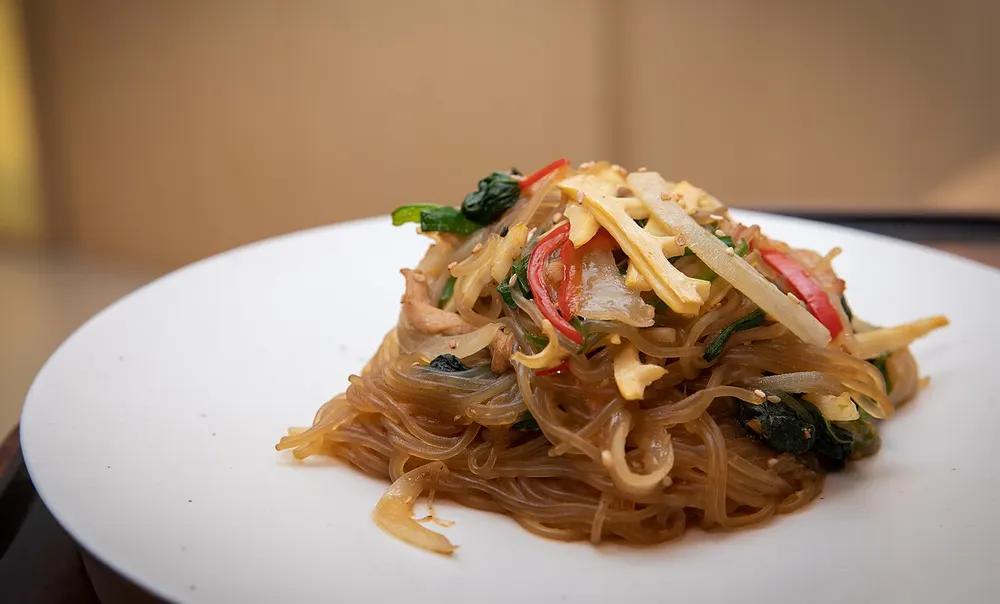
Korean
แหล่งที่มา: ดั้งเดิม
ทำแล้วใช่ไหม? แชร์รูปในหน้าผลงานสิ
แชร์ผลงานของคุณ →