มือใหม่
Korean
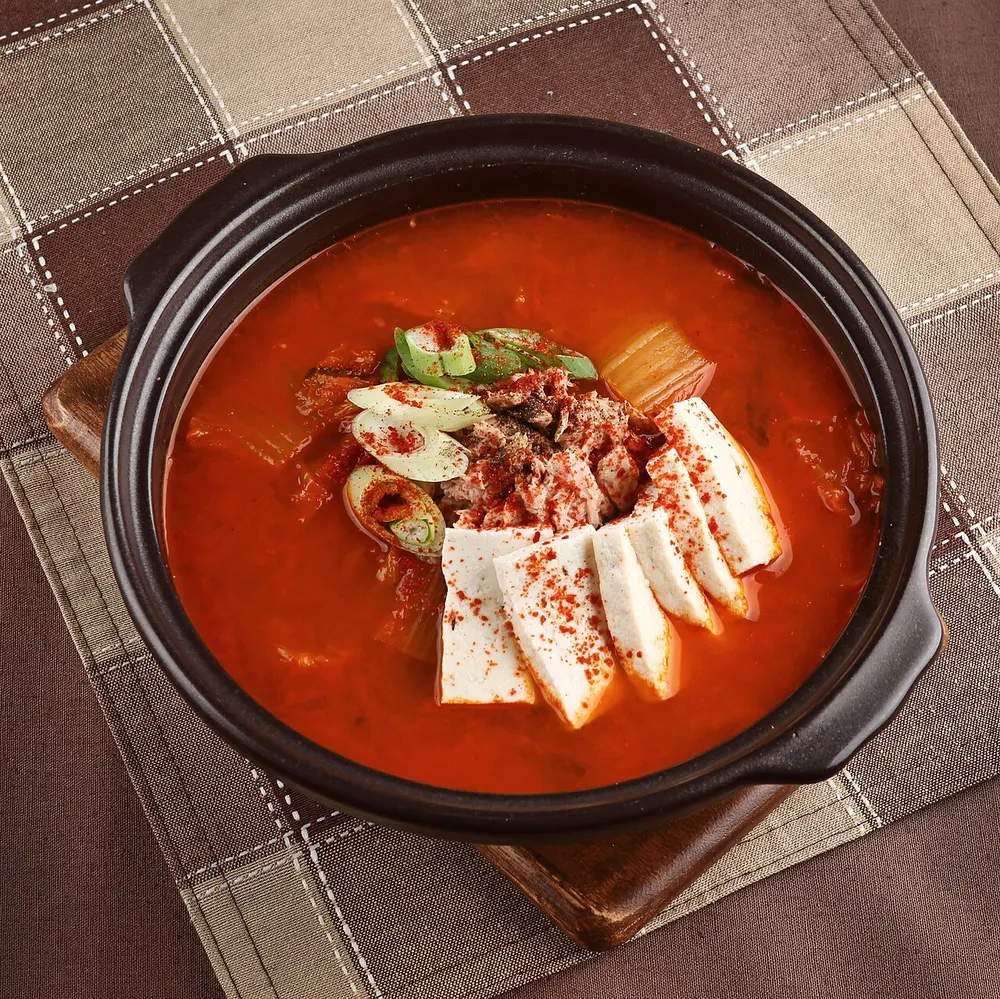
Kimchi Jjigae (Kimchi Stew)
แหล่งที่มา: ดั้งเดิม
30 นาที3420 แคล
ปลอดนม🌶️🌶️
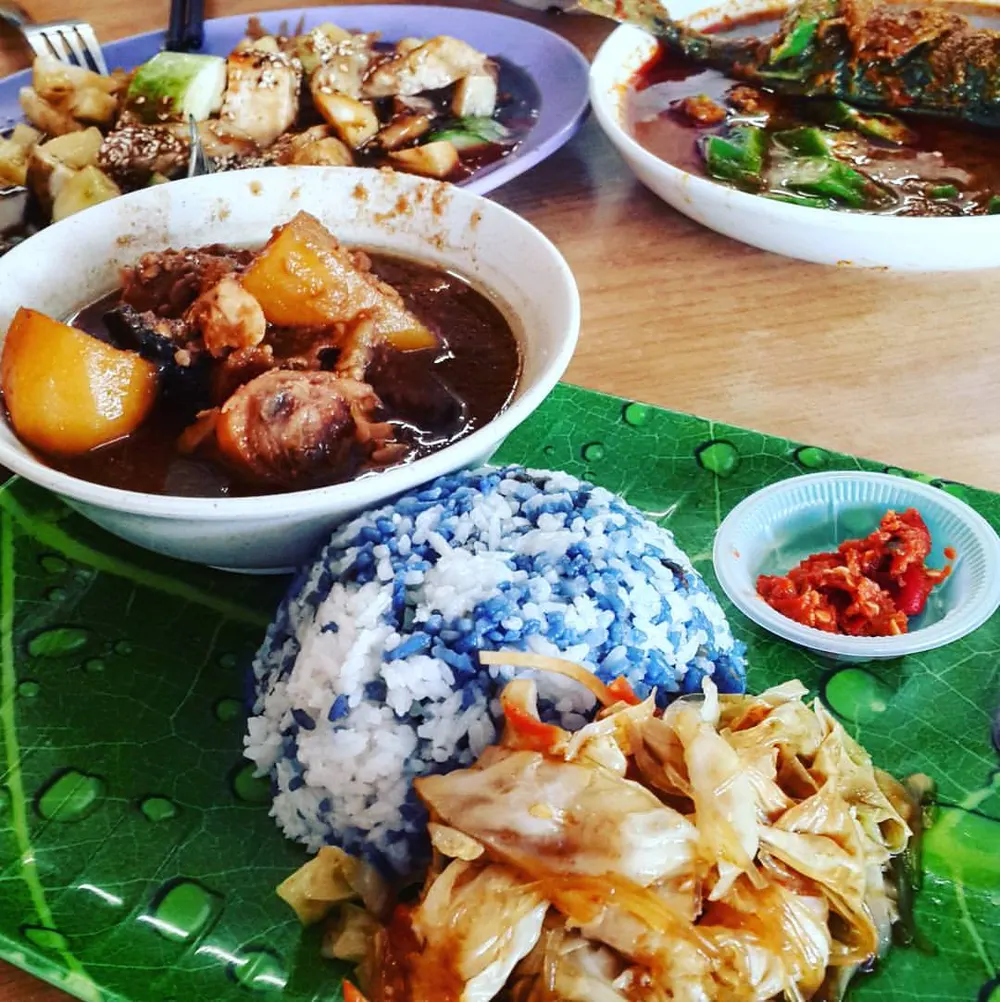
The Nyonya household stew: chicken and potatoes simmered slowly in fermented soybean paste and gula melaka until the sauce turns dark, salty and quietly sweet — Chinese technique, Malay sugar, one pot.
แหล่งที่มา
สูตรโดย Nyonya (Peranakan) kitchens · 🏺 ดั้งเดิม · Peranakan cooking — Chinese settlers' kitchens remade with Malay spice, Malacca and Penang
Nyonya (Peranakan) home cooking · Malacca and Penang — A traditional Peranakan household dish with no individual creator. The cited page describes pongteh as 'a stew of chicken or pork cooked with tauchu or salted fermented soy beans, and gula melaka', usually saltish-sweet. Two honest gaps: (1) that page does not mention potatoes or shiitake, which are standard in home versions but are this book's addition rather than a sourced claim; (2) the halal tag applies to this chicken version only — the same dish is equally often made with pork, which is why the caveat is stated in the tips rather than buried.
ดูวิธีทำเป็นวิดีโอ · 3 วิดีโอ
Blend the shallots and garlic into a smooth paste — the Nyonya kitchen calls this the rempah, and it is the base of almost everything.
Fry the paste in the oil over medium-low heat for 10 minutes, stirring so it never catches. It should go from sharp white to soft gold and smell sweet.
💡 Shallots burn faster than onions and turn bitter the moment they do. Low and slow, and stay at the pan.
Mash the taucu and add it. Fry for 2 minutes — it will smell strongly of ferment, which softens completely as it cooks.
Add the chicken and turn it in the paste until every piece is coated. Add the cinnamon, dark soy, palm sugar, mushrooms, mushroom water and stock.
Bring to a simmer, cover, and cook gently for 25 minutes. Add the potatoes and cook 20 minutes more, uncovered, until they are tender and the sauce has reduced by about a third.
💡 Taste before adding any salt. Taucu is already salty and brands vary a lot — season only at the very end, if at all.
Serve with plain white rice. The sauce is salty-sweet and concentrated — it is meant to be spooned over rice, not eaten alone.
Korean
แหล่งที่มา: ดั้งเดิม
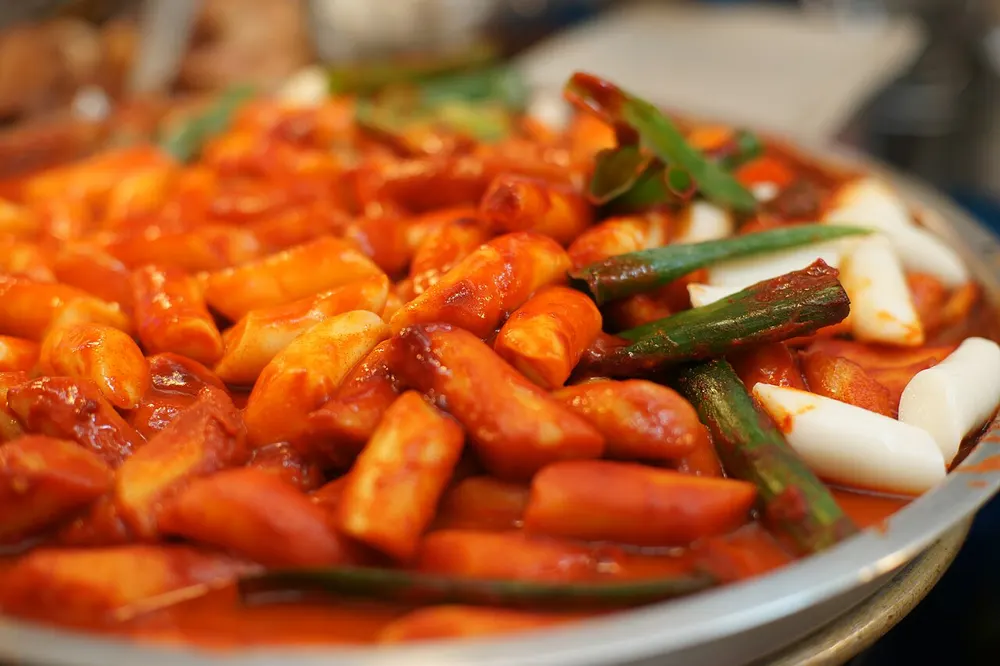
Korean
แหล่งที่มา: ครัวบ้าน
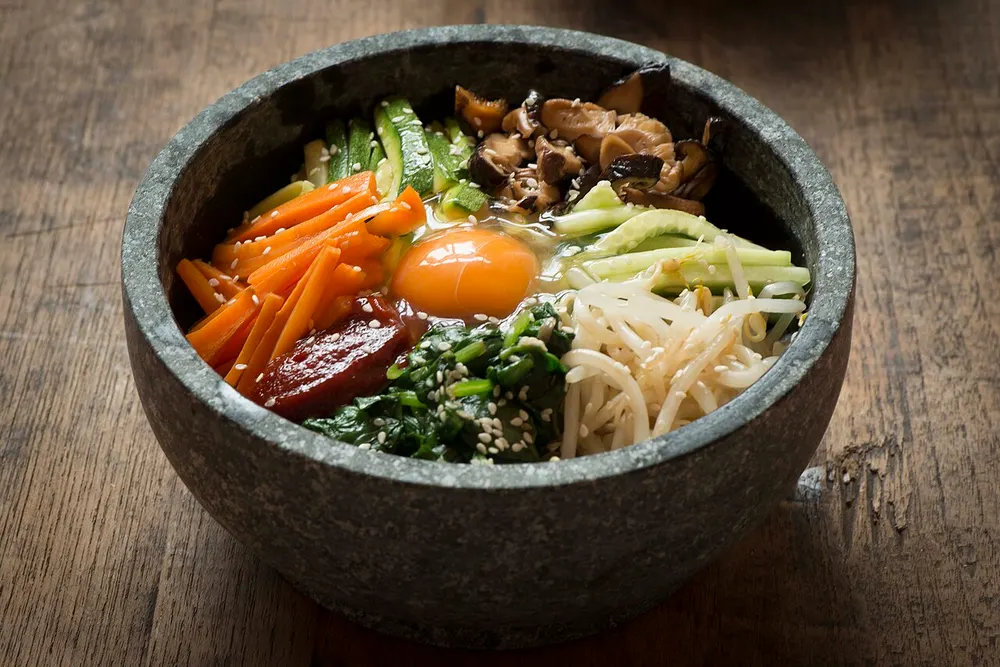
Korean
แหล่งที่มา: ครัวบ้าน
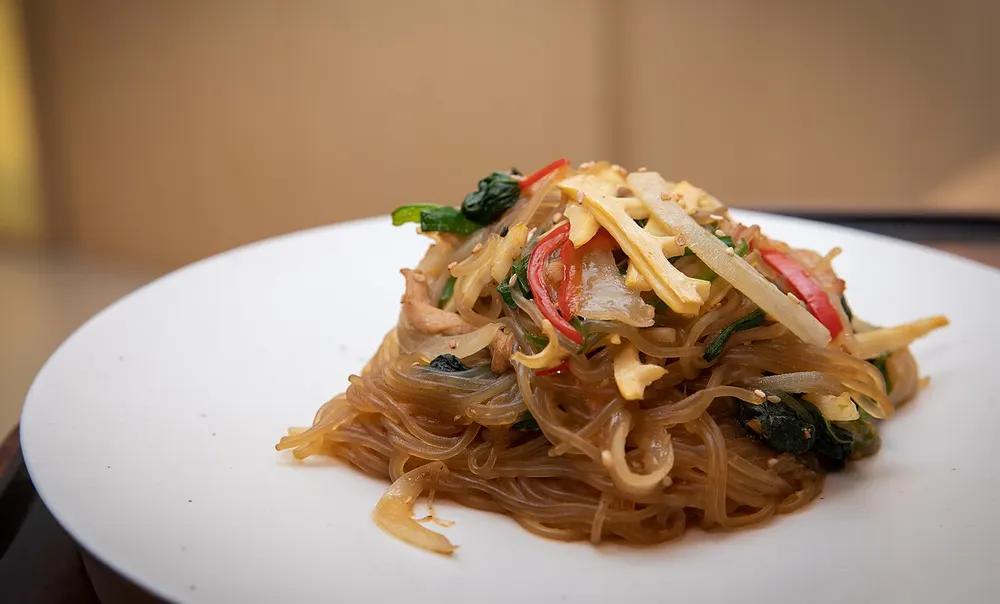
Korean
แหล่งที่มา: ดั้งเดิม
ทำแล้วใช่ไหม? แชร์รูปในหน้าผลงานสิ
แชร์ผลงานของคุณ →