Iniciante
Korean
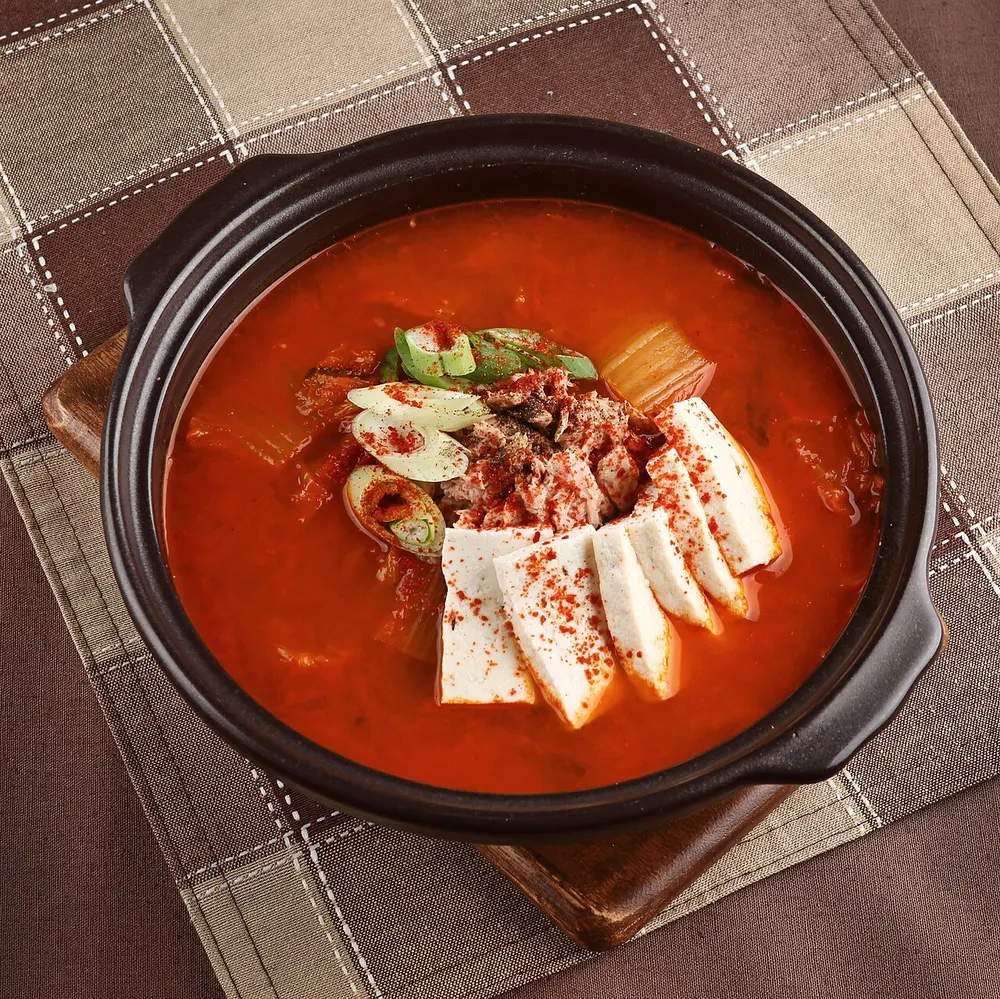
Kimchi Jjigae (Kimchi Stew)
Fonte: Tradicional
30 min3420 kcal
Sem lactose🌶️🌶️
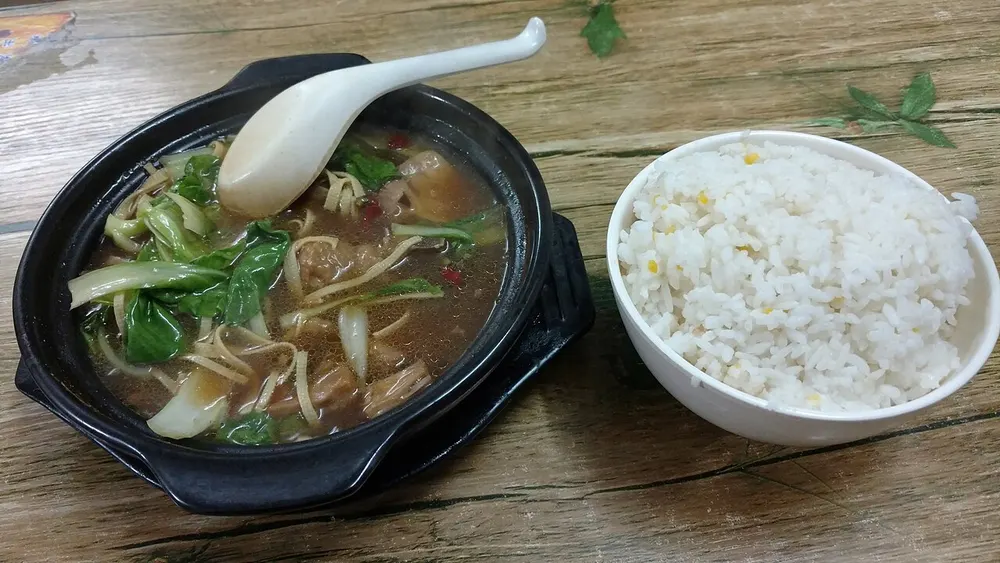
China's answer to jjimdak: chicken thigh is browned, coated in yellow bean paste until it turns amber, then braised with star anise and Sichuan chili — the vegetables going in last so they stay bright.
Fonte
Receita de 이연복 · 👨🍳 Chef · Lee Yeon-bok — Chinese-cuisine chef, owner-chef of Mokran (목란)
Os nomes de cozinheiros e criadores aparecem apenas como crédito da fonte. A More Recipes Please é independente e não é afiliada, endossada nem patrocinada por eles.
Lee Yeon-bok (이연복의 복주머니) — Published by Lee Yeon-bok on his own YouTube channel, 이연복의 복주머니, as '닭다리살의 야들야들함과 황두장의 깊은 풍미가 쏙! 중화 찜닭 황먼지'. The ingredient list and numbered method are printed in the video description, and every quantity here is taken from it; where he deliberately leaves an amount open (green onion, potato, star anise) the ingredient is marked as such rather than given an invented number. Huang men ji is a mainland Chinese braise, not a Korean one. The move that defines his version is frying the yellow bean paste onto the browned chicken in hot oil before any liquid goes in, and holding the peppers, bok choy and enoki back until the final two minutes.
Cozinheiro: 이연복
Veja como se faz · 3 vídeos
Mix the braising liquid first: in a bowl combine mat-ganjang (3스푼), mirin (2스푼), oyster sauce (3스푼), minced ginger (1/2스푼) and 400 ml of water. Set it by the stove.
💡 Premixing means the sauce hits the pan as one smooth liquid. Adding six things one at a time to a hot pan of chicken guarantees you forget one — usually the ginger.
Cut the chicken thigh into bite-size pieces, and cut the green onion and potato into big rough chunks.
Set a pan over medium-high heat with 3스푼 of oil and add the chicken, skin side down where you can.
Fry 5–7 minutes without fussing at it, until the outside is golden and no pink is left on the surface.
💡 Leave it alone. Chicken releases from the pan by itself once a crust forms — poke it early and you tear the skin off and lose the browning you are here for.
Add the yellow bean paste (2스푼) and stir it around in the hot oil, coating every piece of chicken, for about 1 minute.
💡 Frying the paste in oil rather than dropping it into liquid is what wakes it up — the raw beany edge cooks off and a deep roasted smell comes up. Do not let it go past a minute or it turns bitter.
When the chicken has taken on the paste's amber colour all over, pour in the premixed braising liquid.
Add the chunks of green onion, the star anise and the Sichuan chilies, then the potato.
Bring it to a simmer and cook about 15 minutes, until a chopstick slides into the potato with no resistance.
💡 The potato sets the clock, not the chicken — thigh meat was already cooked at step 4. Big chunks that hold their shape are the point, so check at 12 minutes if you cut them small.
While it simmers, halve the peppers, scrape out the cores and seeds, and cut 1/2 of each into bite-size pieces.
Pull the bok choy apart leaf by leaf, wash it well, and trim the very tip of each root end. Cut the base off the enoki and pull the bundle into smaller clumps.
Drop the peppers, bok choy and enoki into the pot and cook only until they wilt — 1–2 minutes, no more.
💡 Beginner warning: this is where a Korean cook's instinct to 'let it all boil together' ruins the dish. Everything else has had half an hour; these have had two minutes on purpose. Bok choy boiled soft goes khaki and slimy.
When the liquid has reduced to a shallow, glossy pool around the chicken, kill the heat.
💡 Aim for jajak-jajak — shallow, not soupy. There should be enough to spoon over rice but not enough to drink.
Turn it out onto a plate and serve hot with rice.
Korean
Fonte: Tradicional
Korean
Fonte: Cozinha caseira
Korean
Fonte: Cozinha caseira
Korean
Fonte: Tradicional
Fez esta receita? Compartilhe uma foto na Galeria.
Compartilhe sua criação →