Iniciante
Korean
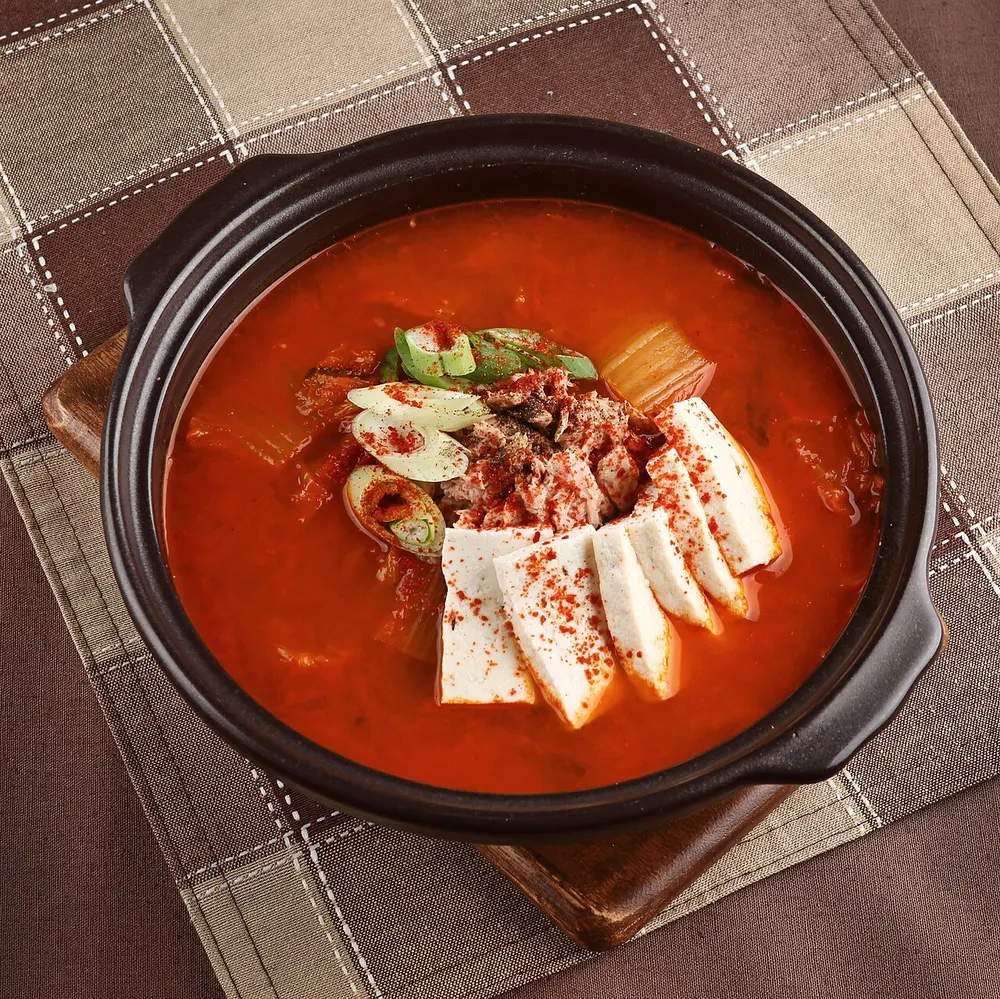
Kimchi Jjigae (Kimchi Stew)
Fonte: Tradicional
30 min3420 kcal
Sem lactose🌶️🌶️
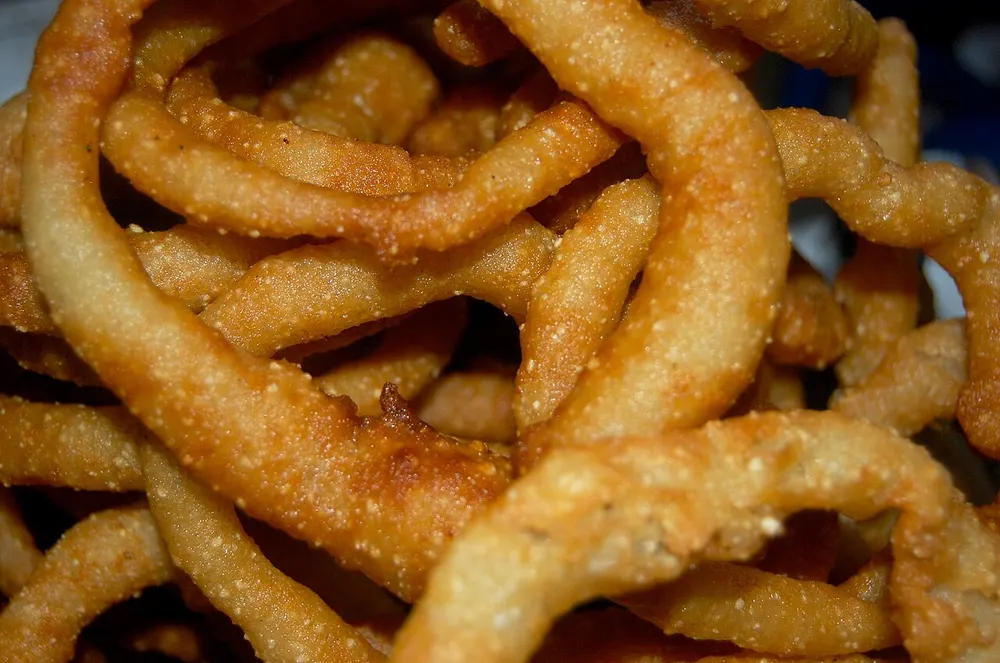
A ring of sweetened rice batter poured in one circling motion into hot oil — crisp outside, chewy inside, and the smell of Tihar in every Nepali household.
Fonte
Receita de Nepali home kitchens · 🏺 Tradicional · Everyday Nepali cooking — rice and lentils twice a day, a seasonal vegetable beside them, and a fermented something sharp enough to cut through both.
Nepali · festival bread — An ownerless traditional dish, so no cook is credited. The cited article confirms the ring shape, the rice-flour base, the sweetened batter and the Tihar/Dashain festival association. Quantities, the pouring technique and the resting step are this book's own.
Veja como se faz · 3 vídeos
Drain the soaked rice well and grind it with the milk into a thick, smooth batter. Work in batches and stop while it is still just pourable.
Beat in the sugar, ghee, banana, cardamom, cloves and salt. Beat hard for 5 minutes — this is what makes the ring puff instead of sinking.
💡 Rest the batter 1 hour before frying. It thickens as it sits, so judge the consistency after the rest, not before.
Heat the oil in a deep, wide pan to 170°C — a drop of batter should rise and sizzle within 3 seconds without browning instantly.
Pour the batter into a jug or a squeeze bottle. Hold it 10 cm above the oil and pour a circle in one continuous motion, joining the ends.
💡 One motion, no hesitation. A ring poured in two goes joins badly and breaks when you turn it.
Fry 90 seconds, turn it with two skewers, and give it another 60 seconds until deep gold. Lift and drain upright so the oil runs off.
Cool on a rack, not a plate. Stacked warm, the rings steam each other soft.
Korean
Fonte: Tradicional
Korean
Fonte: Cozinha caseira
Korean
Fonte: Cozinha caseira
Korean
Fonte: Tradicional
Fez esta receita? Compartilhe uma foto na Galeria.
Compartilhe sua criação →