Iniciante
Korean
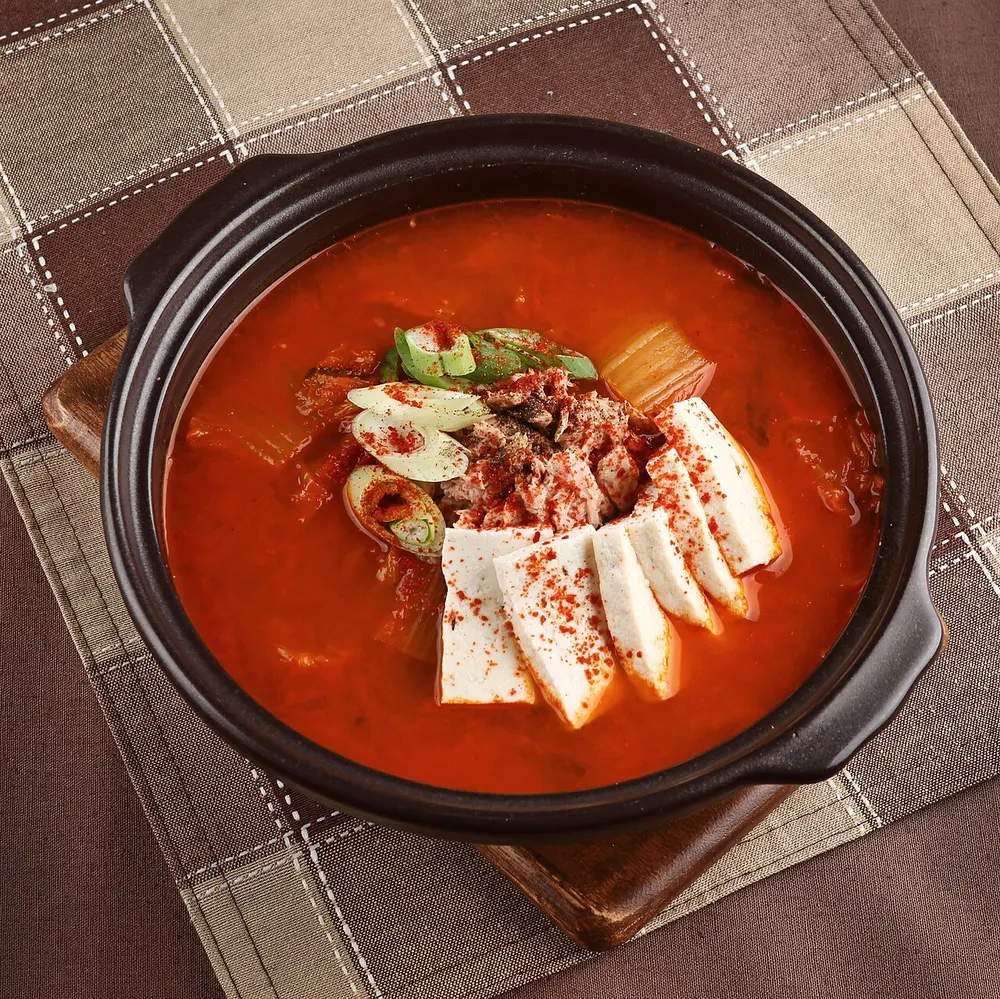
Kimchi Jjigae (Kimchi Stew)
Fonte: Tradicional
30 min3420 kcal
Sem lactose🌶️🌶️
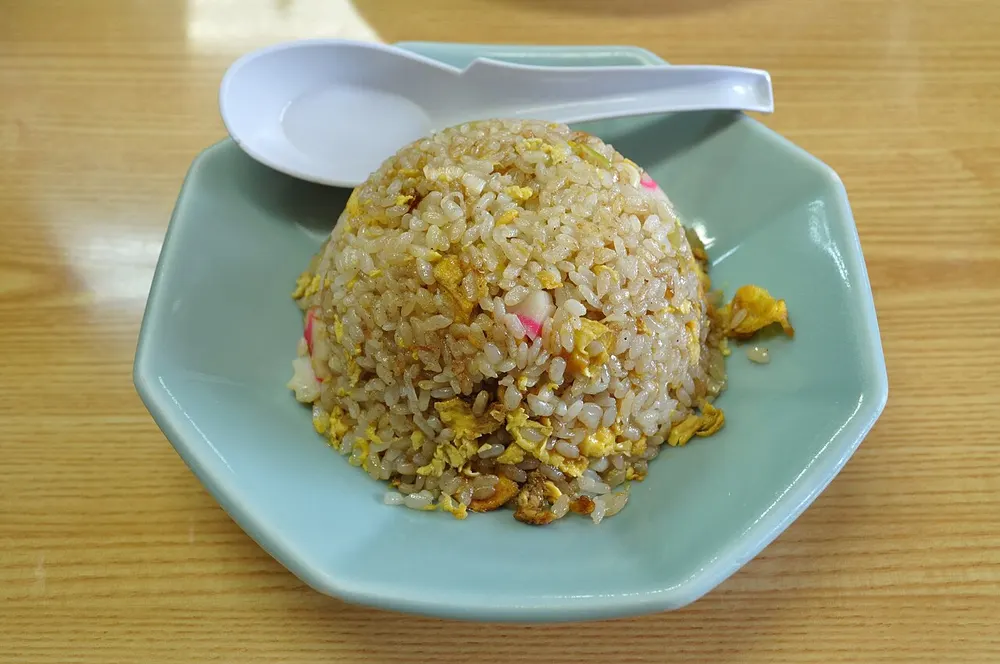
The green tops of the scallion are deep-fried in lard first to make negi-lard, and that flavoured fat is what the rice is fried in. Pork is pre-coated in soy and oyster sauce, and a tablespoon of sake goes in at the very end.
Fonte
Receita de リュウジ · 📱 Influenciador · Ryuji — cooking researcher (料理研究家) and YouTuber behind 料理研究家リュウジのバズレシピ, Japan's biggest cooking channel at ~5.6M subscribers. Known for fast, exactly-measured home recipes.
Os nomes de cozinheiros e criadores aparecem apenas como crédito da fonte. A More Recipes Please é independente e não é afiliada, endossada nem patrocinada por eles.
Ryuji (バズレシピ) — Published by リュウジ on his own YouTube channel as 【シン・炒飯】, his rework of his own earlier 至高の炒飯 (which has ~14.9M views but publishes only an ingredient list). This one publishes the method as text too, and that is the source of every quantity here. Three things mark his version. He deep-fries the green tops of the scallion in 大さじ2 of lard and throws them away, keeping only the perfumed fat — ねぎラード — to fry everything else in. He coats the pork in soy and oyster sauce before it goes near the pan, so the seasoning browns on the meat rather than salting the rice. And the sake goes in at the very end, poured around the hot rim. It is filed under China because chahan descends from Chinese fried rice, though the beni-shoga finish and the Hi-Me make it squarely 町中華 — the Japanese-Chinese neighbourhood-counter style.
Cozinheiro: リュウジ
Veja como se faz · 3 vídeos
Cut the green tops off the scallion (15 g) and chop the white part (25 g). Grate or very finely chop the ginger (3 g), and chop the pork (50 g) small.
Melt the lard (大さじ2) in a frying pan over medium heat and fry the green scallion tops in it until they are dark and crisp and the fat smells strongly of scallion — about 3–4 minutes. Fish the tops out and discard them.
💡 You have just made ねぎラード, negi-lard. The scallion tops are a delivery vehicle — their whole job is to move flavour into the fat, and then they leave. Do not try to eat them or leave them in; by this point they are spent and will only burn.
While the lard infuses, put the pork in a small bowl with the soy sauce (小さじ1) and oyster sauce (小さじ1) and mix so every piece is coated. Leave it there.
Turn the heat up under the negi-lard and add the coated pork. Stir-fry 2 minutes, until it is no longer pink and the sauce on it has caramelised onto the pan.
💡 Coating the pork in soy and oyster sauce beforehand — rather than seasoning the rice later — means the sauce hits the hot pan directly on the meat and browns there. Season it at the end instead and you get salty rice; this way you get seasoned pork.
Add the ginger (3 g) and stir-fry 30 seconds, just until it smells fragrant.
Pour in the beaten eggs (2) and add the warm rice (200 g) straight on top of them, immediately.
💡 Rice on top of still-liquid egg is the classic trick: the egg coats the grains rather than setting into lumps beside them. This is also why the rice needs to be warm — cold rice clumps and the egg sets around the clumps instead of the grains.
Break the rice apart against the pan and toss it with the egg over high heat for about 2 minutes, until every grain is coated and separate and the egg is set.
Add the salt (小さじ1/3), 8 shakes of Hi-Me, black pepper and the chopped white scallion (25 g), and keep tossing for another minute.
Pour the sake (大さじ1) around the rim of the pan and toss immediately — it should hiss and vanish in seconds.
💡 Sake at the end, not the start, and around the hot rim rather than onto the rice. It flashes to steam on contact, which loosens any grains stuck to the pan and leaves aroma without wetting the rice. Pour it into the middle and you steam the rice instead.
Check the texture: the grains should be separate and glossy from the lard, not sticky and not dry.
Press it into a small bowl and turn it out onto a plate to make the classic dome, or just pile it up.
Top with a small heap of beni-shoga and eat straight away.
Korean
Fonte: Tradicional
Korean
Fonte: Cozinha caseira
Korean
Fonte: Cozinha caseira
Korean
Fonte: Tradicional
Fez esta receita? Compartilhe uma foto na Galeria.
Compartilhe sua criação →