Intermediário
Moroccan
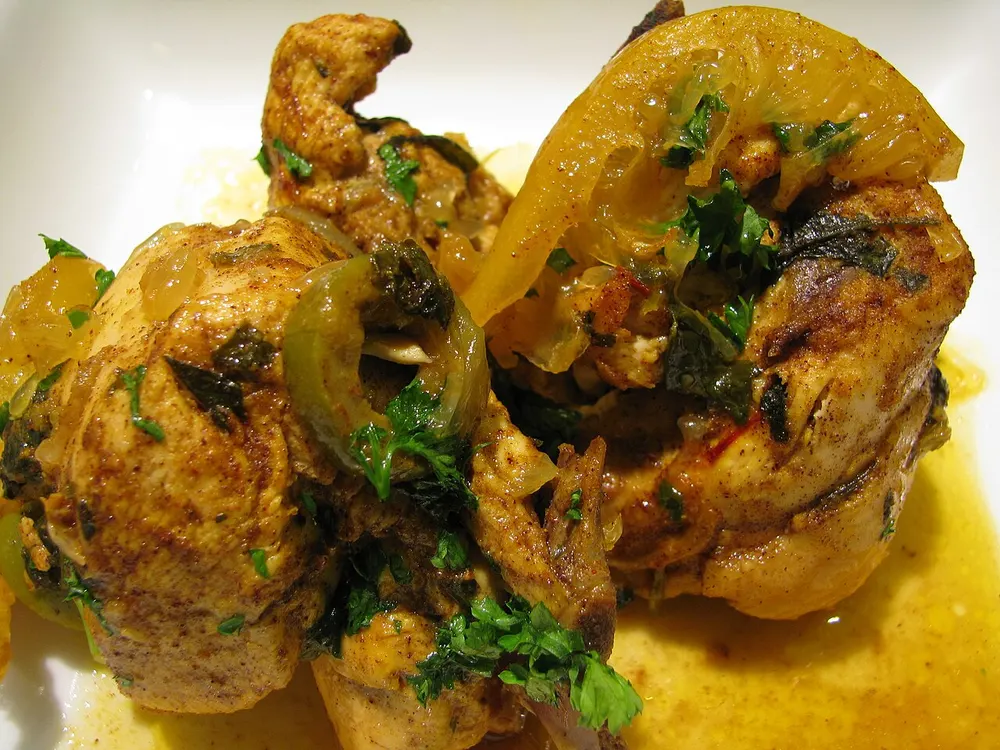
Chicken Tagine with Olives and Lemon
Fonte: Tradicional
90 min4420 kcal
HalalSem glútenSem lactose
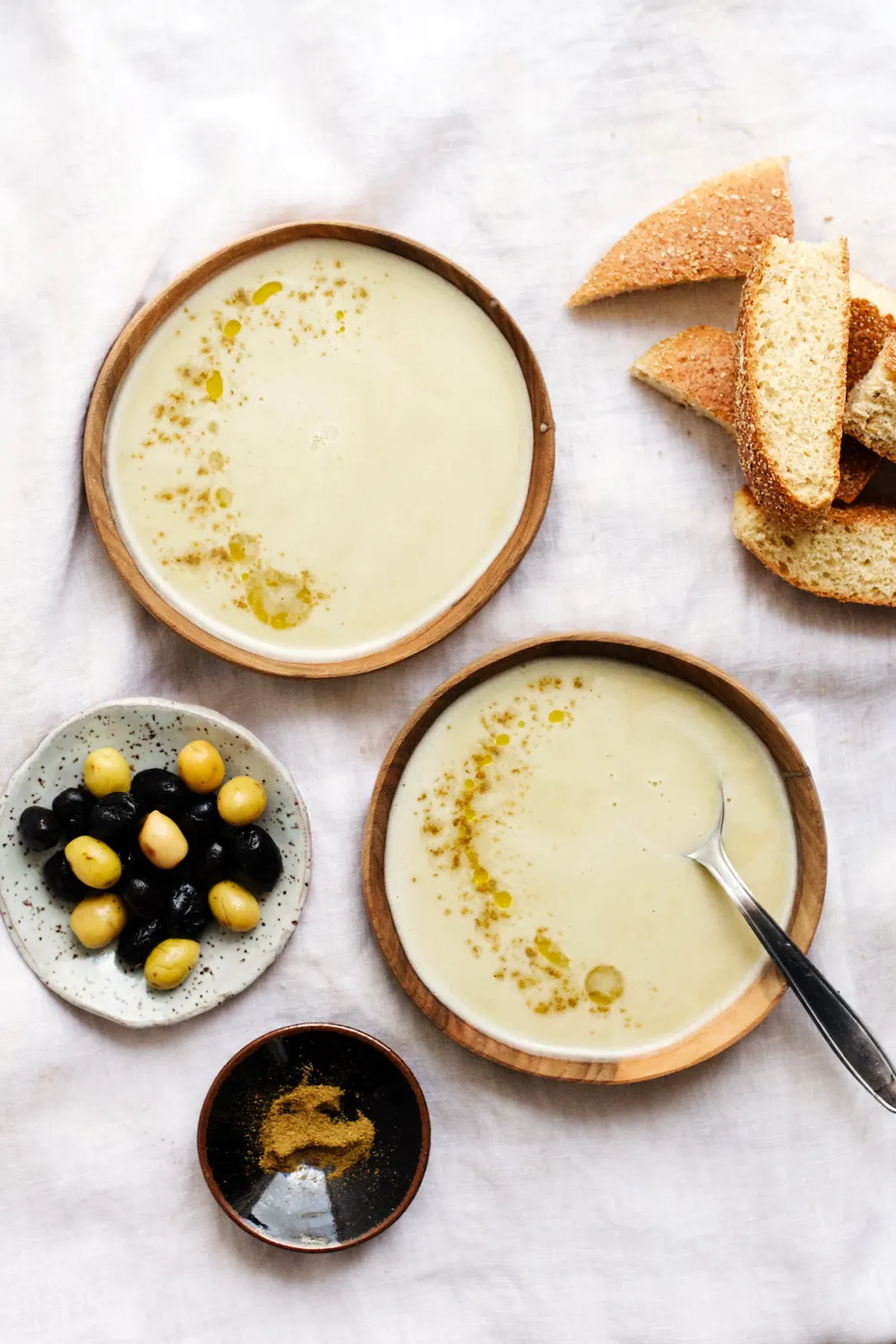
Morocco's winter breakfast, sold from street cauldrons for small change: split fava beans cooked to collapse with garlic and cumin, blended smooth and flooded with olive oil.
Fonte
Receita de Moroccan home kitchens · 🏺 Tradicional · Moroccan household cooking
Moroccan home cooking — A dish in Egyptian and Moroccan cuisine containing split fava beans, onions, garlic, fresh aromatic herbs and spices, all slowly cooked and then blended to yield a creamy and fragrant dip or side dish. In Morocco it is eaten as a thick soup — a winter street breakfast poured into bowls, flooded with olive oil and dusted with cumin. It belongs to both countries and has no single author.
Veja como se faz · 3 vídeos
Rinse the split favas well and pick through them for grit and stones.
💡 Dried pulses genuinely do carry small stones, and biting one is memorable in the worst way. Thirty seconds of looking is worth it.
Soak them in cold water for at least 4 hours, or overnight if you can.
💡 You can skip the soak and just cook them longer, but it costs you 30–40 extra minutes and unevenly softened beans.
Drain them and put them in a pot with the 1.2 L of fresh water, the whole peeled garlic cloves and 30 ml of the olive oil.
Bring it to a boil and skim off the foam that rises in the first few minutes.
Drop to a low simmer, part-cover, and cook 50–60 minutes, until the beans have completely lost their shape.
💡 Do not salt yet. Salt early and fava skins tighten — you will be simmering for 90 minutes and still find grainy bits.
Check them: a bean should smear to nothing between your fingers with no resistance at all.
💡 Any bean that still has a centre will show up as grit in the finished soup, and blending will not fix it. Give it another 15 minutes.
Add the cumin, paprika, cayenne and salt, and stir them through.
Blend the soup smooth with a stick blender, right in the pot.
💡 This is the one dish in this batch where you should blend it completely — bissara is meant to be silky, and any texture reads as a mistake rather than as character.
Check the consistency: it should pour thickly, like double cream. Loosen with hot water if it has gone stiff.
💡 Err loose. Bissara sets like concrete as it cools — a bowl that is perfect in the pot will be spreadable by the time it reaches the table.
Simmer 3–4 minutes more after blending, stirring, so the spices cook into it.
Taste and adjust the salt — under-salted bissara tastes like wallpaper paste.
Ladle it into bowls and make a well in the centre of each with the back of the ladle.
Pour a generous slick of olive oil into each well and dust heavily with cumin and paprika.
💡 The oil on top is not garnish — it is the seasoning, and street vendors pour it with a heavy hand. Bissara without a proper pool of olive oil tastes flat and dusty.
Serve immediately, scalding hot, with bread and a lemon wedge.
Moroccan
Fonte: Tradicional
Egyptian
Fonte: Cozinha caseira
West African / Nigerian
Fonte: Tradicional
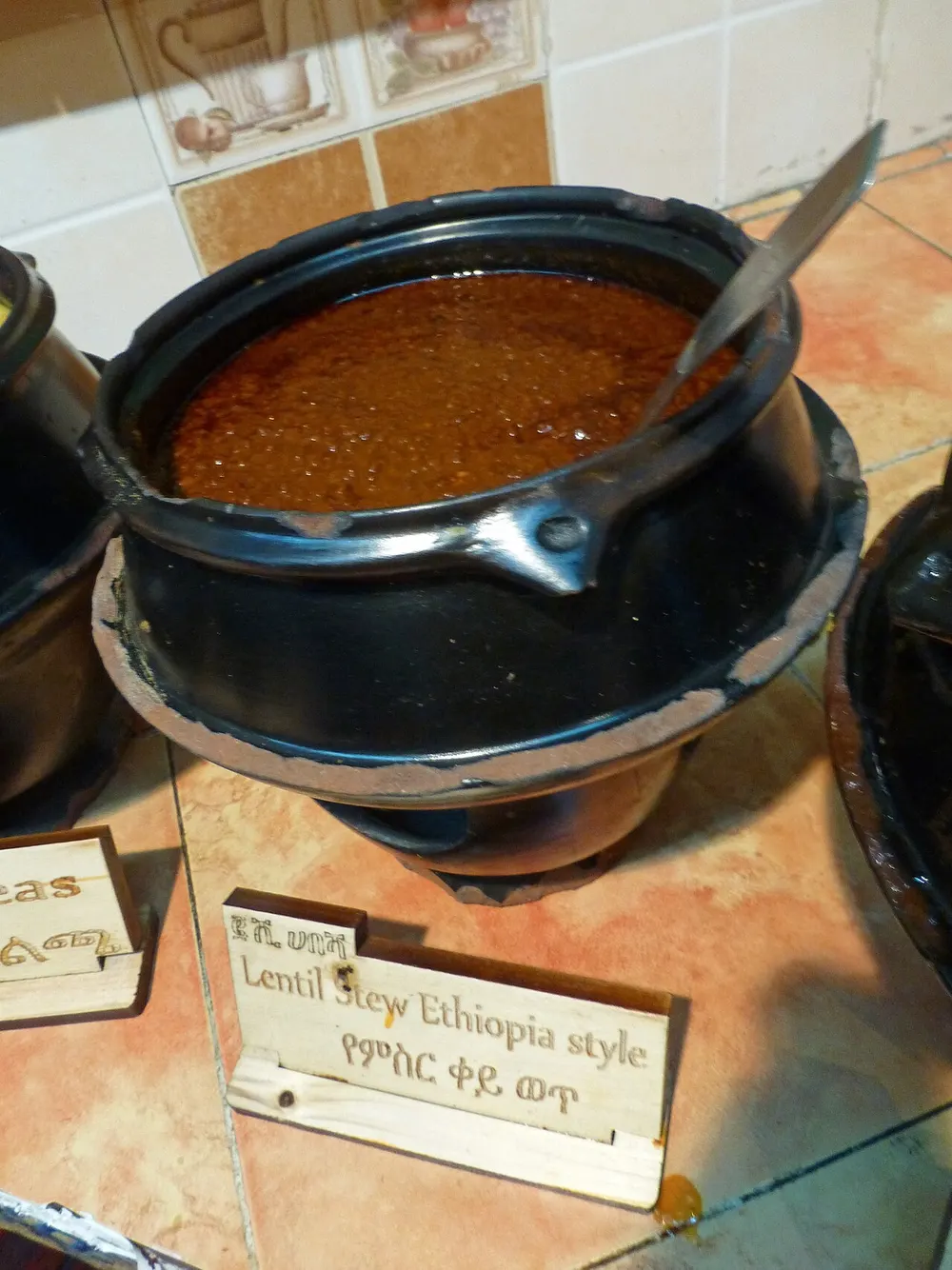
Ethiopian
Fonte: Cozinha caseira
Fez esta receita? Compartilhe uma foto na Galeria.
Compartilhe sua criação →