အစပြု
Korean
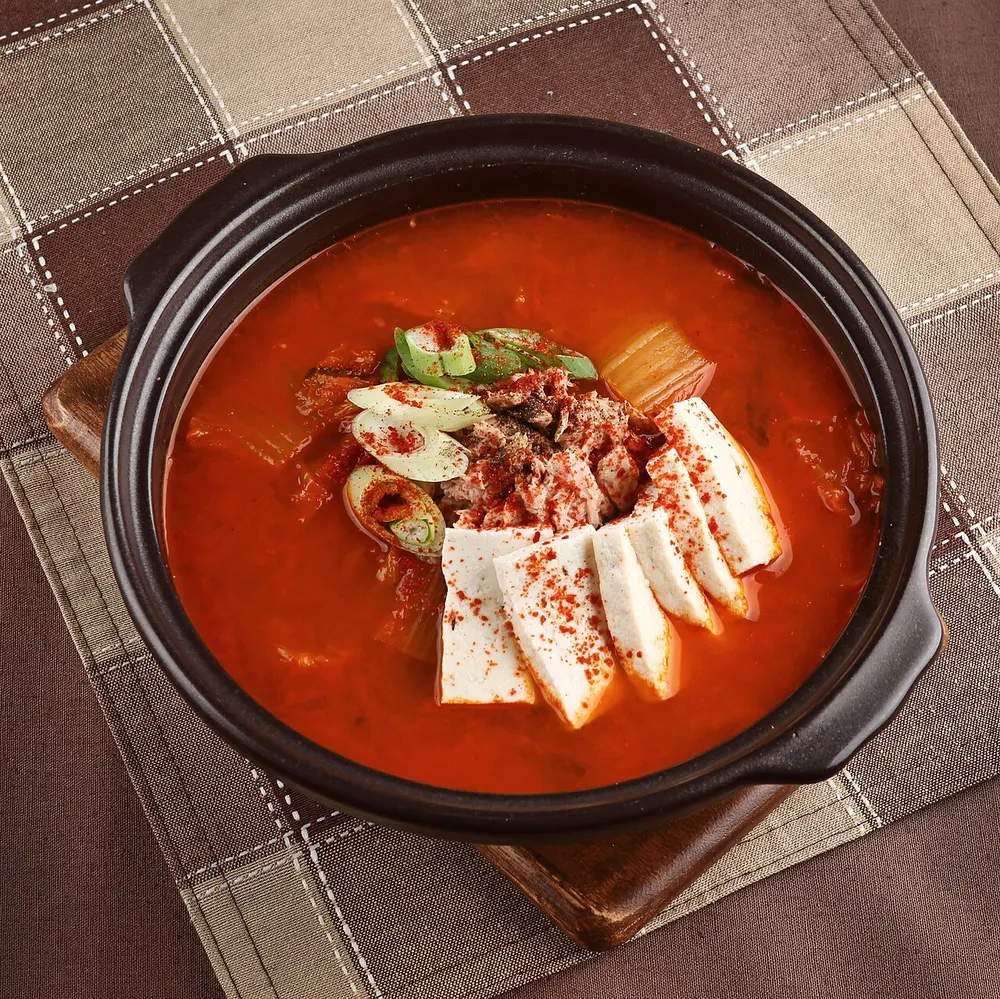
Kimchi Jjigae (Kimchi Stew)
မူလအရင်းအမြစ်: Traditional
30 မိနစ်3420 kcal
နို့ထွက်ပစ္စည်းကင်း🌶️🌶️
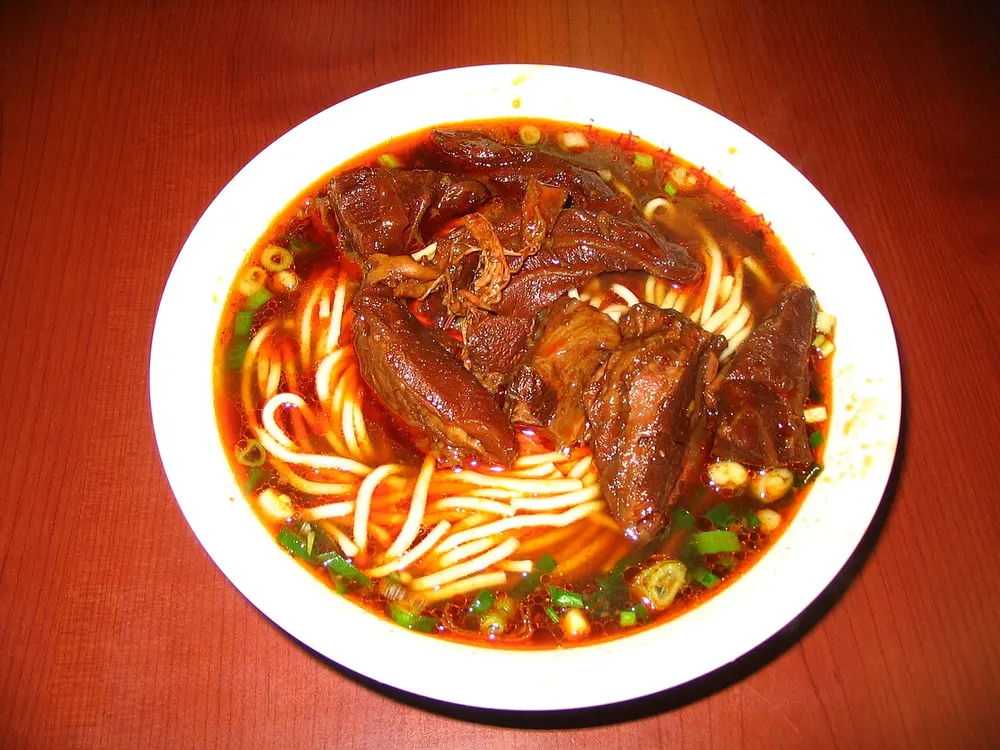
Taiwan's unofficial national dish: beef shank braised for hours with doubanjiang, soy and warm spice into a dark red broth, ladled over wheat noodles and finished with sour mustard greens.
မူလအရင်းအမြစ်
ချက်ပြုတ်နည်း — Taiwan's military-village (眷村) kitchens · 🏺 Traditional · Juancun cooking — the dependants' villages built for mainland military families who arrived in Taiwan after 1949
Taiwanese military-village (眷村) cooking · national dish — No individual creator exists to credit. What the cited reference actually says is narrow and is quoted here rather than embroidered: red-braised beef noodle soup (紅燒牛肉麵) from Taiwan "was first created by Sichuanese Kuomintang veterans", is sometimes called Sichuan beef noodle soup in Taiwan, and is topped with suan cai and green onion, with stock simmered for very long periods. Chinese-language Wikipedia's 牛肉麵 article records two competing accounts of the same origin — one crediting Sichuanese veterans settled in the Gangshan air-force dependants' village in Kaohsiung, another crediting military-village cooks improvising with American-aid flour and canned beef, with doubanjiang added later. The origin is therefore stated here as postwar and mainland-veteran, without picking between those two accounts. Quantities are this book's own.
Wikipedia တွင် နောက်ခံအချက်အလက် ↗
ချက်နေပုံ ကြည့်ရန် · ဗီဒီယို 3 ခု
Cut the shank into large 5 cm chunks. Cover with cold water in a pot with the bones, bring to a boil, and skim off the grey foam for 3 minutes. Drain everything and rinse the meat under the tap.
💡 This blanching step is what separates a clear-tasting broth from a muddy one. Do not skip it and do not keep that first water.
Wipe out the pot, warm 3 tbsp oil and fry the ginger, garlic, scallions and onion for 2 minutes. Push them aside, add the doubanjiang, and fry it against the base of the pot for a full minute until the oil runs red.
💡 Frying the doubanjiang is not optional. Raw, it tastes of salt and sharp bean; fried, it turns fragrant and red and becomes the whole colour of the soup.
Add the tomatoes and stir until they slump. Pour in the wine, then return the beef and bones, add the soy, rock sugar, spice bag, dried chillies and water.
Bring to a boil, then hold it at the barest simmer — a bubble every second or two — for 2.5 to 3 hours, until a chopstick slides into the beef with no resistance.
💡 A hard boil shreds the meat and clouds the broth. If the surface is churning, your heat is too high.
Lift out the beef and let it rest, fish out the spice bag and aromatics, and taste the broth. It should be salty, faintly sweet and deeply savoury — adjust with soy or a little more rock sugar.
Rinse and squeeze the suan cai, then dry-fry it in a hot pan for 2 minutes until it smells sour-toasty. Blanch the bok choy. Boil the noodles in a separate pot of plain water.
💡 Never cook the noodles in the broth. Their starch will thicken it and dull three hours of work.
Slice the beef thickly. Coil noodles into deep bowls, ladle over the hot broth, lay the beef on top, then add bok choy, a pinch of suan cai and a scatter of scallion and coriander.
Korean
မူလအရင်းအမြစ်: Traditional
Korean
မူလအရင်းအမြစ်: Home cook
Korean
မူလအရင်းအမြစ်: Home cook
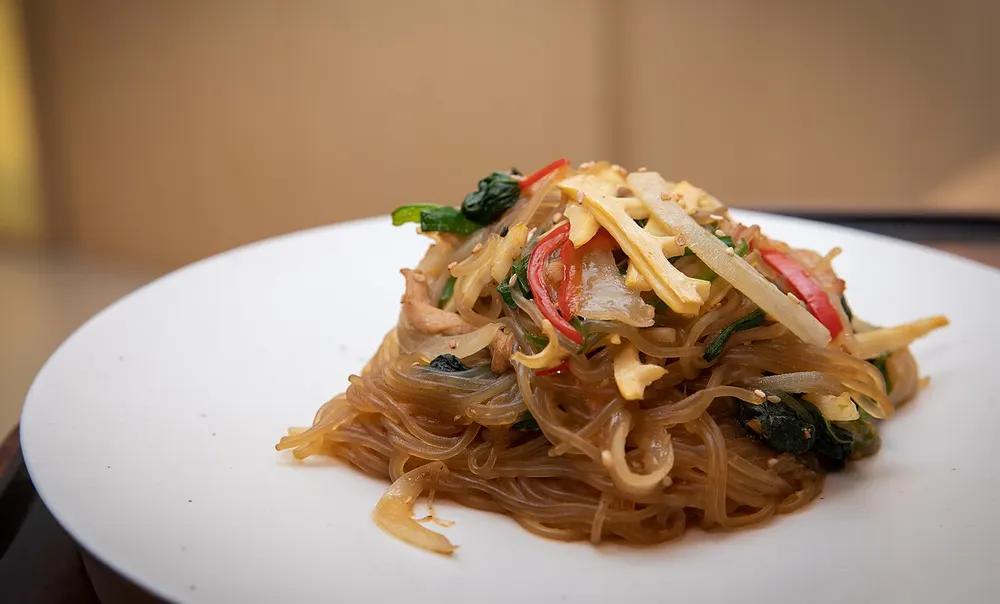
Korean
မူလအရင်းအမြစ်: Traditional
ချက်ပြီးပြီလား? ဓာတ်ပုံကို ပြသရန်တွင် မျှဝေပါ။
သင်ချက်ခဲ့သည်ကို မျှဝေပါ →