အစပြု
Korean
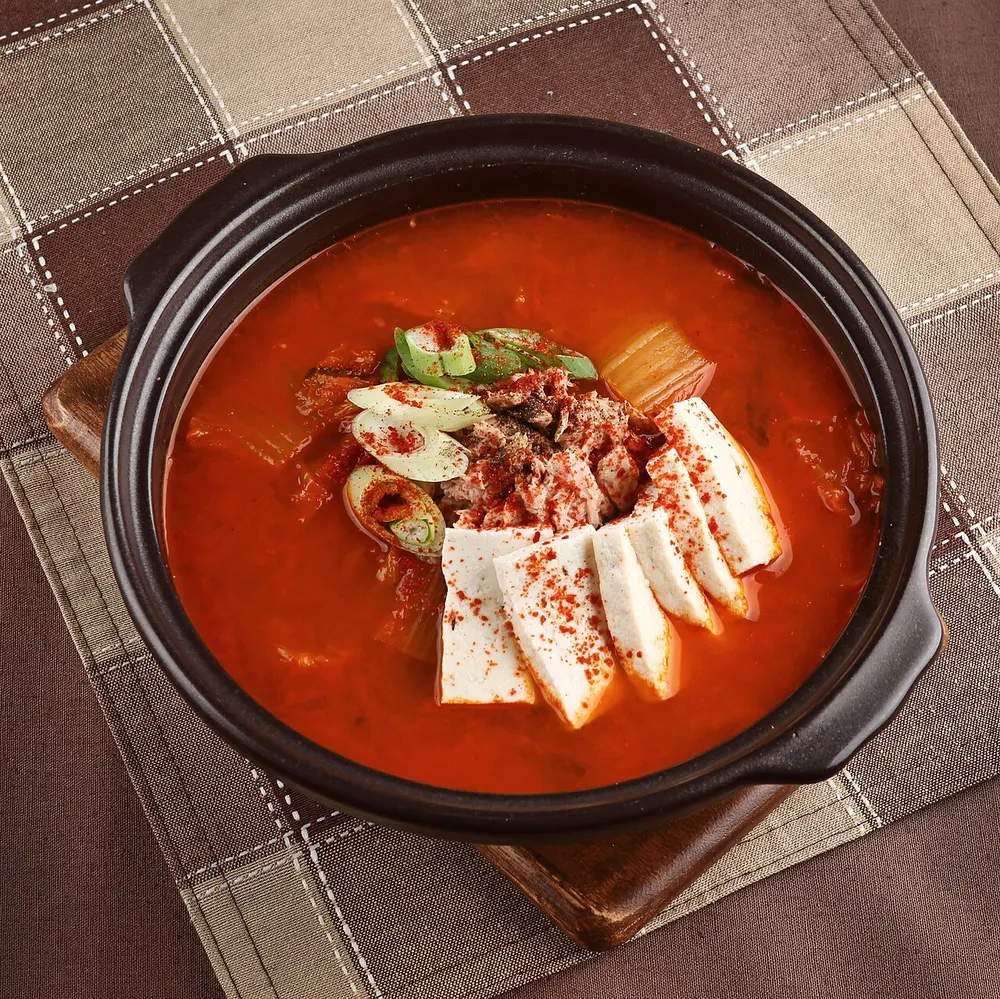
Kimchi Jjigae (Kimchi Stew)
မူလအရင်းအမြစ်: Traditional
30 မိနစ်3420 kcal
နို့ထွက်ပစ္စည်းကင်း🌶️🌶️
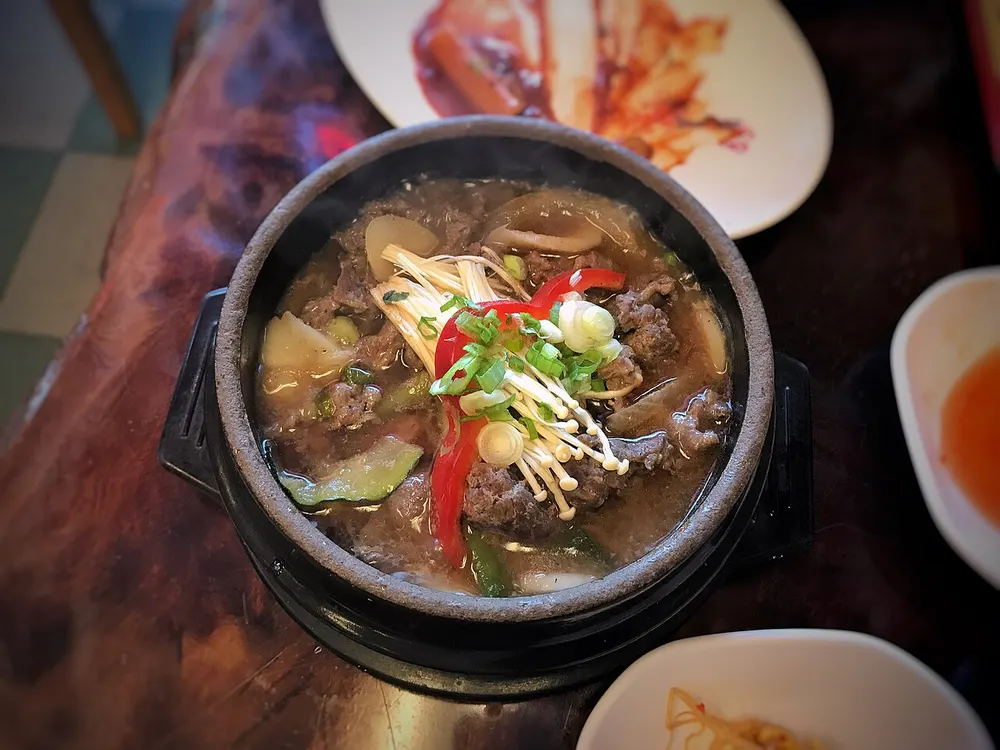
Bulgogi means beef. This one is shaved pork belly, and it does not apologise: the broth is built first, straight in the pot, and the meat only has to sit in it for four minutes. No marinating, no waiting, no beef.
မူလအရင်းအမြစ်
ချက်ပြုတ်နည်း — 자취요리신 (simple cooking) · 📱 Influencer · Korean YouTuber specialising in fast one-pot recipes aimed at people living alone; posts the written recipe under most of his videos
ချက်ပြုတ်သူများနှင့် ဖန်တီးသူများ၏ အမည်များကို မူလအရင်းအမြစ် ဖော်ပြရန်အတွက်သာ အသုံးပြုသည်။ More Recipes Please သည် လွတ်လပ်စွာ လုပ်ဆောင်နေပြီး ၎င်းတို့နှင့် ဆက်စပ်မှု၊ ထောက်ခံမှု သို့မဟုတ် ကမကထမှု မရှိပါ။
Recipe published by 자취요리신 / 자취요리신이 공개한 레시피 — He publishes the full written recipe with every amount in this video's description, under the heading 뚝배기 불고기를 만들어 보자. Distinctive: bulgogi is a beef dish by definition and this one is shaved pork belly, and there is no marinating stage at all — soy, oyster sauce, anchovy fish sauce, sugar and garlic are boiled together as a broth first and the pork is only in it for four minutes. SERVINGS: he never writes a serving count. Our reading of 1 comes from his own scale — 200 g of pork and 300 ml of water in a single ttukbaegi — and is not a figure he published.
ချက်ပြုတ်သူ: 자취요리신 (simple cooking)
ချက်နေပုံ ကြည့်ရန်
Put the dry dangmyeon in a bowl of cold water and leave it while you do everything else — this is the only slow part of the recipe.
💡 His method says '물에 불린 당면' — soaked, not boiled. Cold water takes about 30 minutes and the noodles stay springy; hot water is faster but leaves them slack before they ever meet the broth.
Slice the onion and cut the green onion on a slant. Slit the cheongyang chili if you are using one.
Pour the 300 ml of water straight into a ttukbaegi or a small pot. Nothing gets fried first — this dish starts wet.
💡 Most bulgogi recipes marinate the meat for half an hour and then cook it. He builds the marinade as a broth instead and skips the waiting entirely.
Add the soy sauce, oyster sauce, anchovy fish sauce, sugar and minced garlic to the cold water and stir until the sugar has gone.
💡 Three salty things at once — soy, oyster and fish sauce. That is deliberate: each carries a different savoury note, and dropping one for more of another gives you a flatter pot.
Set it over medium-high heat and bring it to a proper boil — the surface rolling right across, not just bubbling at the rim.
Taste the broth now, before anything goes in. It should read slightly too salty on its own — the pork, noodles and onion are all about to dilute it.
Drop in the onion and green onion first and give them 30 seconds in the boiling broth.
Add the shaved pork belly, pulling the ribbons apart with chopsticks as they go in so they do not weld into a block.
💡 Beginner warning: frozen daepae samgyeopsal is stacked in a slab. Tip the whole thing in and the middle is still raw pink when the outside is done. Separate it in the pot within the first few seconds.
Drain the soaked dangmyeon and add it, along with the chili if you want it.
Boil the lot for 4 minutes. That is his number and it is enough — the pork is paper-thin and the noodles are already soft.
Watch what the noodles do: they swell, go from cloudy to glassy, and start pulling the broth in. The pot should look less soupy at 4 minutes than it did at 1.
💡 This is why you do not walk away. Dangmyeon keeps drinking after the timer — leave it five extra minutes and the broth you wanted to spoon over rice is inside the noodles instead.
Check a piece of pork has no pink left, and taste the broth once more now that everything has diluted it.
Kill the heat, pour in the tablespoon of sesame oil and grind the pepper over the top.
💡 Sesame oil goes on off the heat, always. Boil it and you burn off the exact aroma you added it for.
Eat it straight from the pot with a bowl of rice — the earthenware keeps it bubbling for a good while after it leaves the hob.
Korean
မူလအရင်းအမြစ်: Traditional
Korean
မူလအရင်းအမြစ်: Home cook
Korean
မူလအရင်းအမြစ်: Home cook
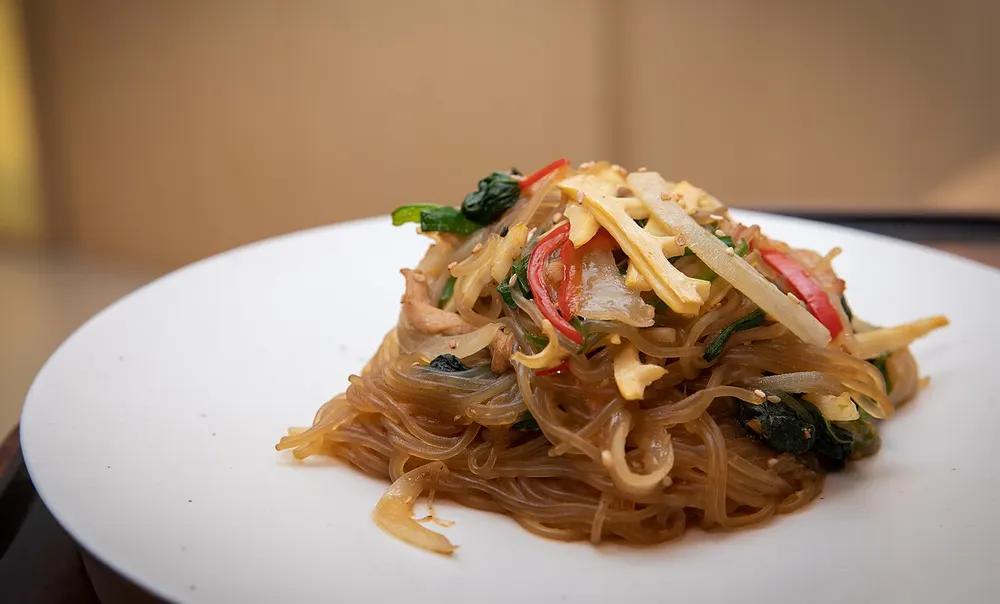
Korean
မူလအရင်းအမြစ်: Traditional
ချက်ပြီးပြီလား? ဓာတ်ပုံကို ပြသရန်တွင် မျှဝေပါ။
သင်ချက်ခဲ့သည်ကို မျှဝေပါ →