အစပြု
Korean
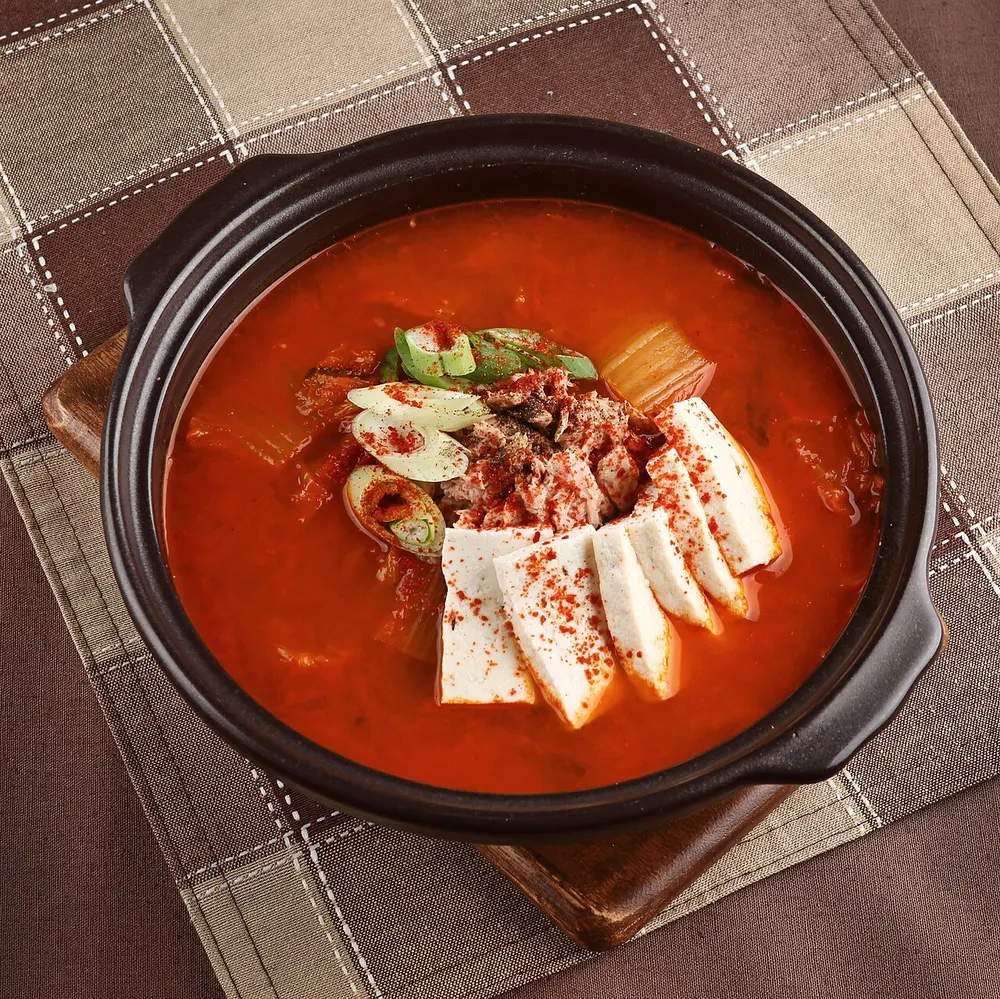
Kimchi Jjigae (Kimchi Stew)
မူလအရင်းအမြစ်: Traditional
30 မိနစ်3420 kcal
နို့ထွက်ပစ္စည်းကင်း🌶️🌶️
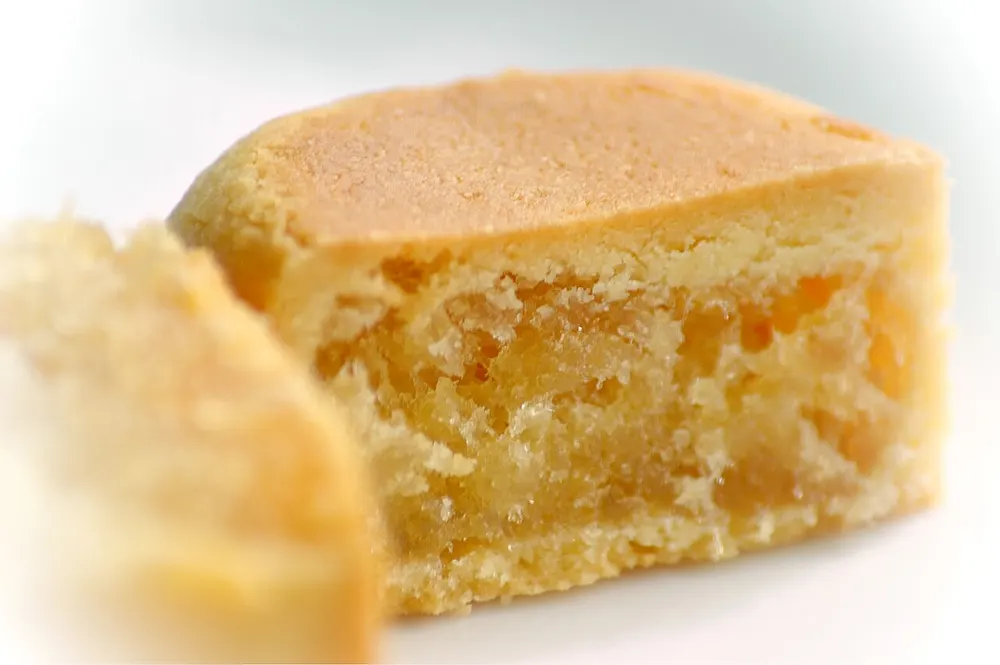
Taiwan's edible calling card: a short, sandy butter pastry pressed into little squares around a dense, sharp pineapple jam cooked down until it is almost chewy.
မူလအရင်းအမြစ်
ချက်ပြုတ်နည်း — Taiwanese pastry shops (餅店) · 🏺 Traditional · Taiwan's traditional bakeries — the shops that turned a wedding pastry into the island's best-known edible souvenir
Taiwanese pastry-shop tradition — A traditional pastry with no single documented creator, so no baker is credited. The reference confirms it is "a Taiwanese sweet traditional pastry" written 鳳梨酥, that it is considered one of Taiwan's culinary symbols and a top-selling souvenir, that the outer skin was traditionally made with lard but is now more commonly butter, that the pastry is butter, egg yolk and sugar around a pineapple jam, that bakeries may add winter melon to the jam — initially to make the tart filling more palatable, though in contemporary bakeries this may be read as an indicator of lower quality — and that the cakes are given as engagement or well-wishing gifts because the word for pineapple sounds like a phrase about prosperity and thriving families. The reference does NOT specify a mould size or baking temperature; those, and all quantities, are this book's own.
Wikipedia တွင် နောက်ခံအချက်အလက် ↗
ချက်နေပုံ ကြည့်ရန် · ဗီဒီယို 3 ခု
Chop the pineapple fine — half of it almost to a pulp, half in small 5 mm pieces so the filling keeps some texture. Squeeze the pulp over a bowl and keep the juice.
Boil the juice down in a wide pan until it is syrupy, then add all the pineapple flesh and the sugar. Cook over medium heat, stirring often, for 60 to 90 minutes.
💡 A wide pan, not a deep one. You are evaporating water, and the only thing that speeds that up is surface area.
Stir in the maltose and the 10 g of butter for the last 10 minutes. It is done when a spoon dragged across the pan leaves a clean track and the jam holds a mound without spreading. Cool it completely, then roll into 20 balls of about 18 g.
💡 Undercooked jam is the single commonest failure — it steams inside the pastry and blows the cakes open in the oven. When in doubt, cook it 10 minutes longer.
Beat the softened butter with the icing sugar and salt until pale, then beat in the yolk and beaten egg a little at a time. Sift in the milk powder, cake flour and almond flour and fold just until no dry flour is left.
💡 Stop folding the moment the dough comes together. Every extra turn develops gluten and moves the texture from sandy towards biscuity.
Chill the dough 30 minutes, then divide into 20 pieces of about 22 g. Flatten each into a disc, sit a jam ball in the middle, and close the pastry up around it, sealing the seam completely.
Press each ball into a 45 mm square mould set on a lined tray, flattening the top level. Bake at 170°C for 12 minutes, then flip each cake over in its mould and bake 10 to 12 minutes more.
💡 No moulds? Shape them into 4 cm squares by hand and bake the same way — they will be less crisp on the edges and taste identical.
Cool them completely in the moulds before unmoulding — hot pineapple cake will collapse. They are better on day two and keep two weeks in a tin.
Korean
မူလအရင်းအမြစ်: Traditional
Korean
မူလအရင်းအမြစ်: Home cook
Korean
မူလအရင်းအမြစ်: Home cook
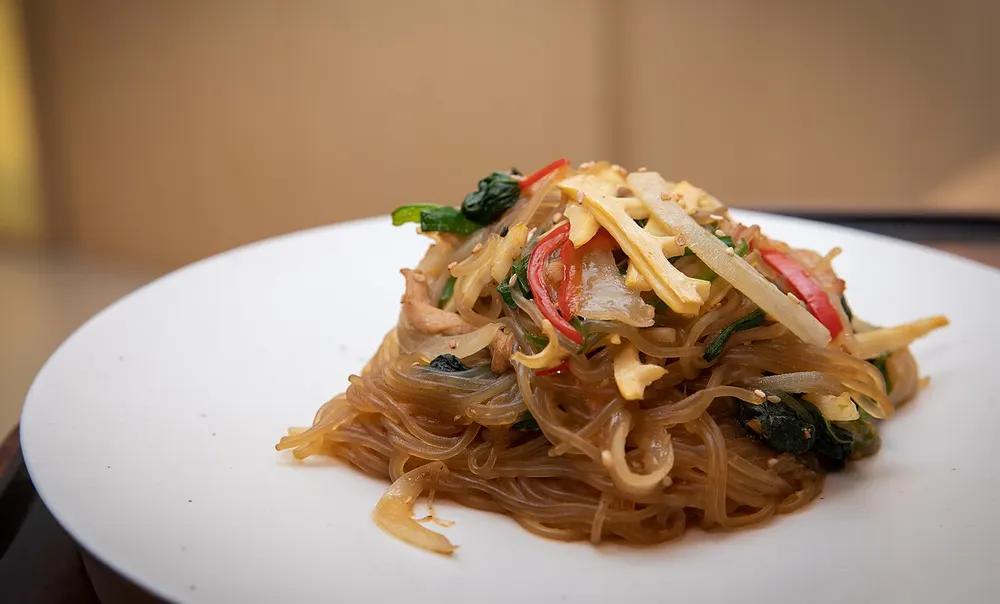
Korean
မူလအရင်းအမြစ်: Traditional
ချက်ပြီးပြီလား? ဓာတ်ပုံကို ပြသရန်တွင် မျှဝေပါ။
သင်ချက်ခဲ့သည်ကို မျှဝေပါ →