初級
Korean
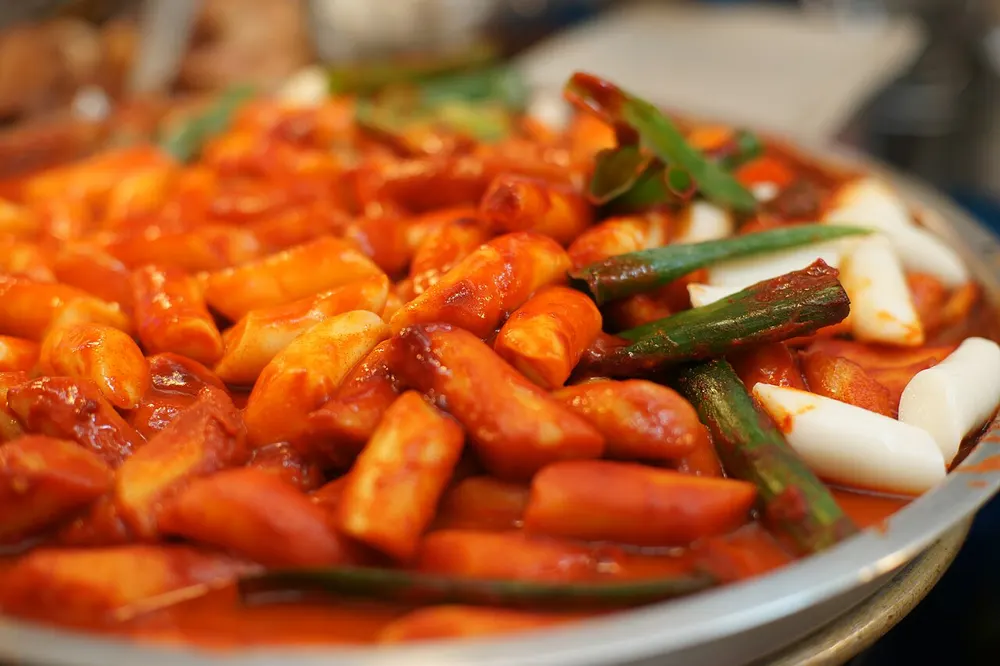
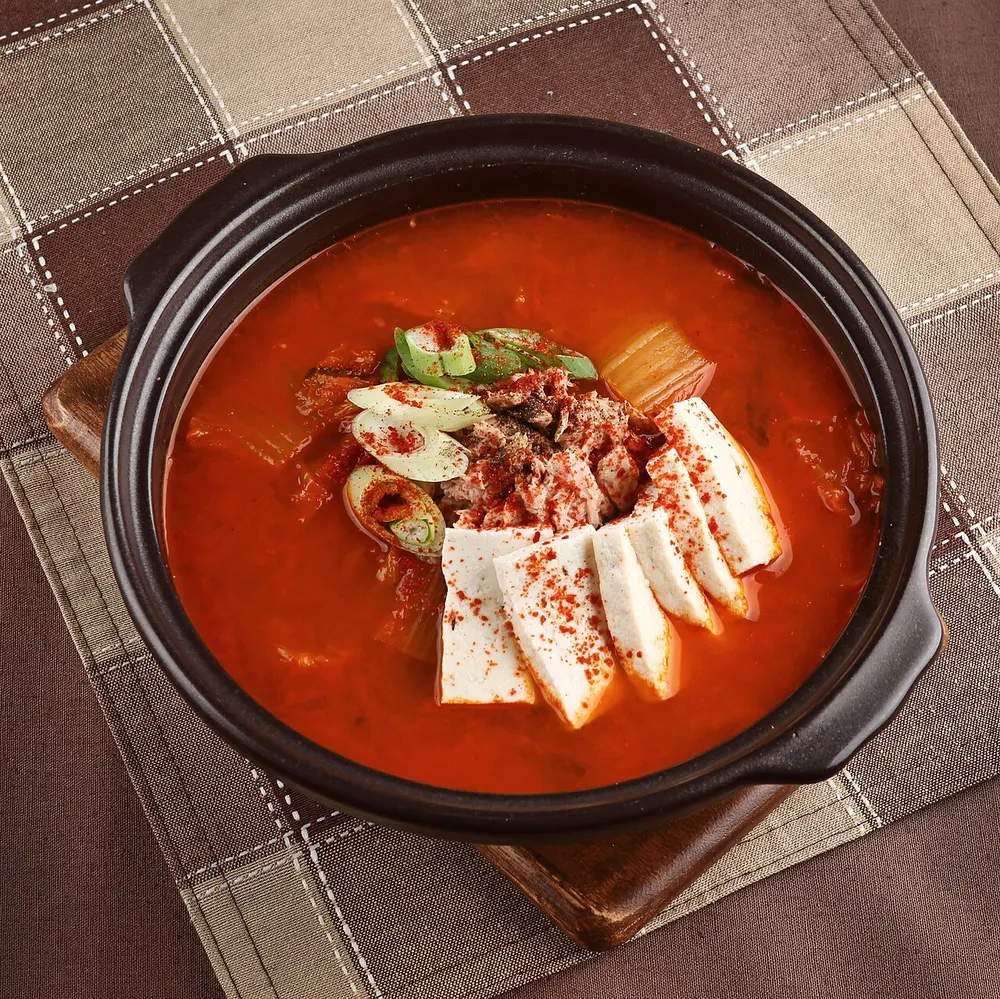
Kimchi Jjigae (Kimchi Stew)
出典: 伝統
30 分3420 kcal
乳製品不使用🌶️🌶️
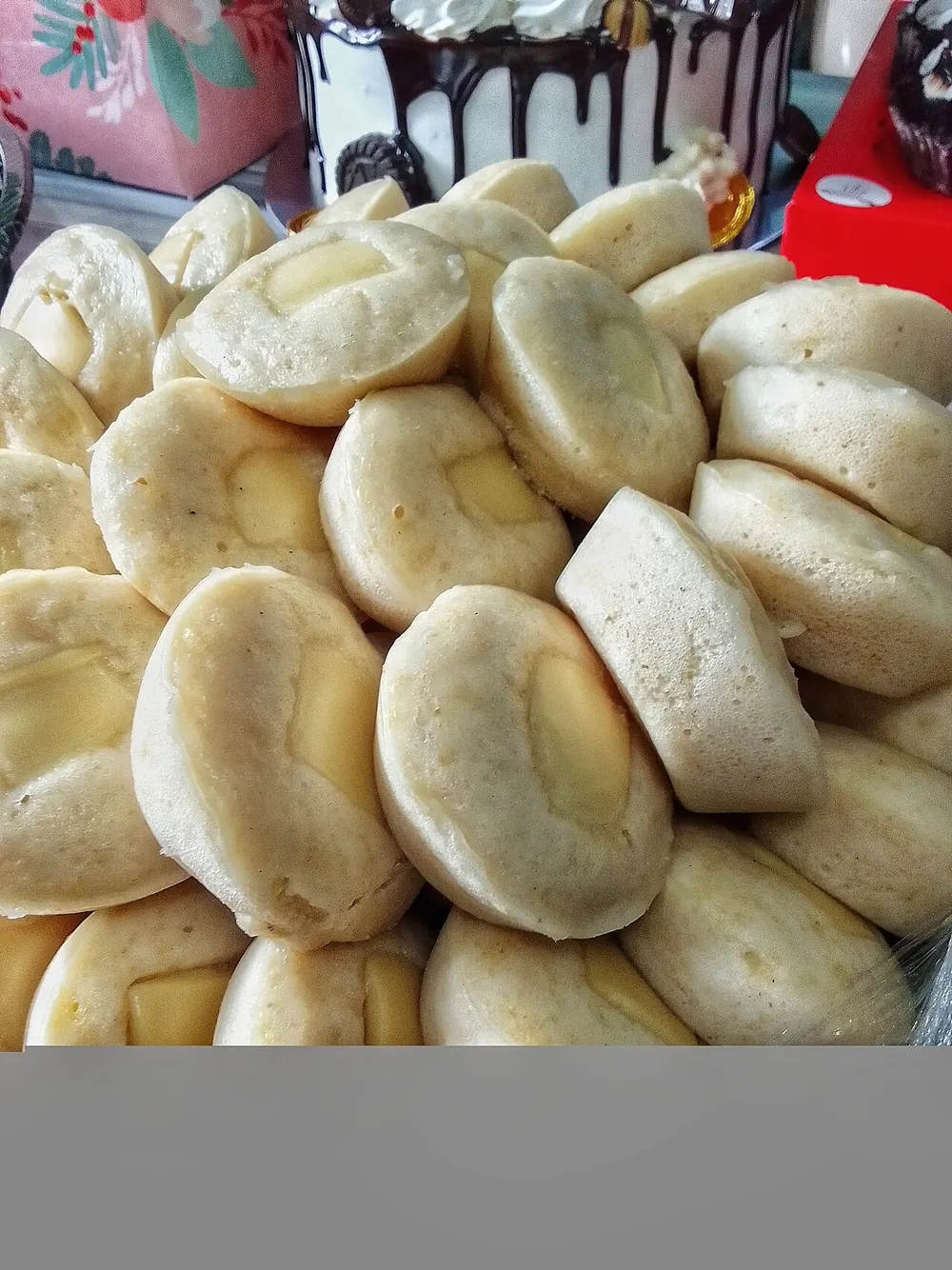
Small white steamed cakes of rice flour, faintly sweet and springy, that turn up at every Filipino merienda and beside every bowl of dinuguan. Traditionally from a fermented rice batter; at home, from rice flour and a little baking powder in twenty minutes.
出典
レシピ提供 Filipino home kitchens · 🏺 伝統 · Cooking that turns on three levers — vinegar, salt from fish or shrimp, and fat — and a table where sour, salty and rich are balanced by the eater, not the cook.
Philippines · the steamed rice cake — An ownerless traditional snack, so no cook is credited. The cited article confirms puto as a Filipino steamed rice cake traditionally made from slightly fermented rice dough (galapong), eaten plain or with savoury dishes such as dinuguan, and a sub-type of kakanin. The quick baking-powder method, the cloth-on-lid rule, the cheese topping, timings and quantities are this book's own.
作っているところを見る
Whisk the rice flour, sugar, baking powder and salt together, then whisk in the water and coconut milk to a smooth, pourable batter. Rest 10 minutes.
Bring water to a boil in a steamer. Oil small moulds — puto moulds, silicone muffin cups or small ramekins — and fill each three-quarters full.
Wrap the steamer lid in a cloth, cover, and steam 15–18 minutes over steady heat until a toothpick comes out clean.
💡 The cloth on the lid is not optional. Condensation dripping onto the batter leaves craters and a wet top; the cloth catches it.
Two minutes before the end, lift the lid and lay a square of cheese on each cake, then cover again to melt it.
Cool 5 minutes, run a knife round the edge and turn out. Eat warm or at room temperature.
作ってみましたか?写真を「作ってみた」に投稿してください。
あなたの作品をシェア →