初級
Korean
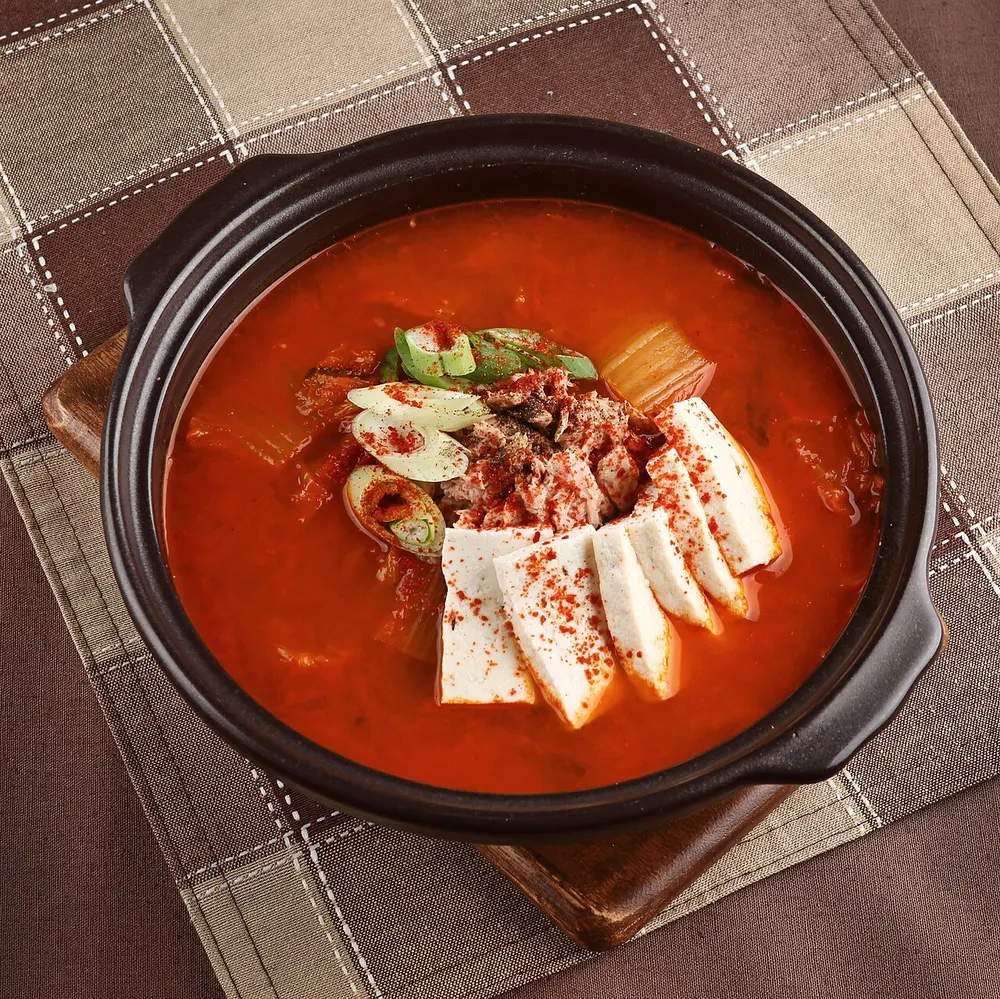
Kimchi Jjigae (Kimchi Stew)
出典: 伝統
30 分3420 kcal
乳製品不使用🌶️🌶️
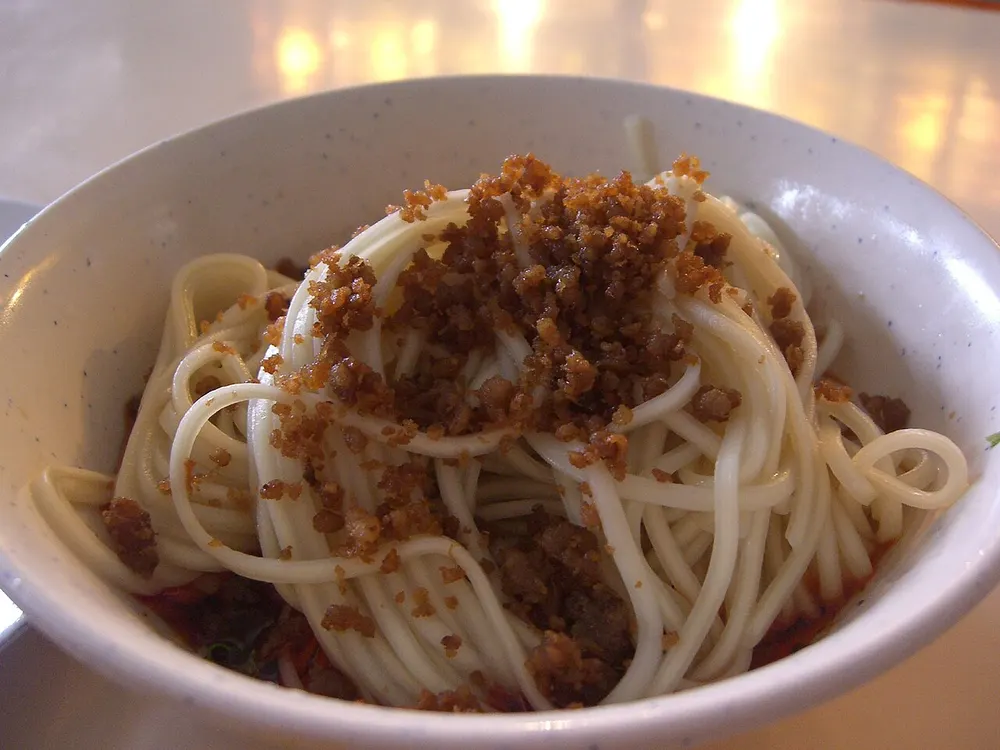
A small bowl of thin wheat noodles over a pool of chili oil, black vinegar and Sichuan pepper, crowned with crisp dry-fried pork and preserved mustard greens — toss it yourself before the first bite.
出典
レシピ提供 Chengdu street vendors · 🏺 伝統 · Born as a Chengdu street food carried on a shoulder pole — no single author
Sichuan street food / 四川小吃 — 'Dandan' is the shoulder pole that walking vendors in Chengdu used to carry the dish on — noodles hanging in a basket at one end, sauce at the other — so the name means, roughly, 'peddler's noodles'. The original is served dry, in a small bowl, under a mala meat sauce with pickled greens, peanuts and scallion. The soup version most people meet abroad is a Hong Kong adaptation that tones the spice down and often adds sesame paste.
Watch it being made · 3 videos
Rinse the ya cai under cold water, squeeze it hard in your fist until no more brine runs out, then chop it fine.
💡 Unrinsed ya cai is aggressively salty and will make the whole bowl inedible. Squeezing it dry also lets it crisp up later instead of steaming.
Heat a dry wok over medium-high, add the pork with no oil, and press it flat against the metal for 30 seconds before breaking it up.
💡 No oil is needed — fatty mince renders its own. Pressing it down first gets a browned crust started, which is where the flavour of the topping comes from.
Keep frying and breaking the pork up for 4–5 minutes, until it stops steaming, the grains separate, and it turns dry and crumbly with crisp brown edges.
💡 This is the difference between real dandan topping and a sad bolognese. You want dry and crunchy, not moist. Listen for the sound to change from a wet hiss to a dry rattle.
Splash in the Shaoxing wine and the dark soy and keep the heat high until every drop of liquid has cooked off again — about 1 minute.
Add the chopped ya cai and fry 2 minutes more, until it smells nutty and toasted. Scrape the topping into a bowl and set it aside.
Now build the sauce in the bottom of two serving bowls. Divide between them: chili oil with sediment, light soy, black vinegar, ground Sichuan pepper, garlic paste, sugar — and the sesame paste if you are using it.
💡 The sauce lives at the bottom, under the noodles — it is never poured over the top. That is how the dish has always been served, and it is why you must toss it yourself.
Bring a large pot of unsalted water to a rolling boil.
💡 Do not salt this water. Unlike pasta, the sauce here is already very salty, and salted noodle water would push the finished bowl over the edge.
Ladle 30 ml of the boiling water — or the hot stock — into each bowl and whisk the sauce smooth with the chopsticks.
💡 This is the step people skip. Without a splash of hot liquid the sesame paste and chili sediment stay as a claggy lump at the bottom and never coat the noodles.
Boil the noodles until just tender with a firm centre — 2–3 minutes for fresh, or follow the packet for dried. Taste one rather than trusting the clock.
Lift the noodles straight from the pot into the bowls with tongs, letting a little water come with them. Do not rinse them.
💡 Rinsing washes off the surface starch, and that starch is exactly what makes the sauce grip the noodles. The clinging water is a feature, not a mistake.
Spoon the crisp pork topping over each bowl and scatter with scallion greens and crushed peanuts.
Carry it to the table and tell whoever is eating to toss it hard from the bottom before the first bite — the sauce is all down there.
💡 Serve it small. Dandan noodles were a snack sold between meals, not a dinner-sized bowl, and the sauce is far too concentrated to eat a big portion of.
作ってみましたか?写真を「作ってみた」に投稿してください。
あなたの作品をシェア →