
Intermédiaire
Moroccan
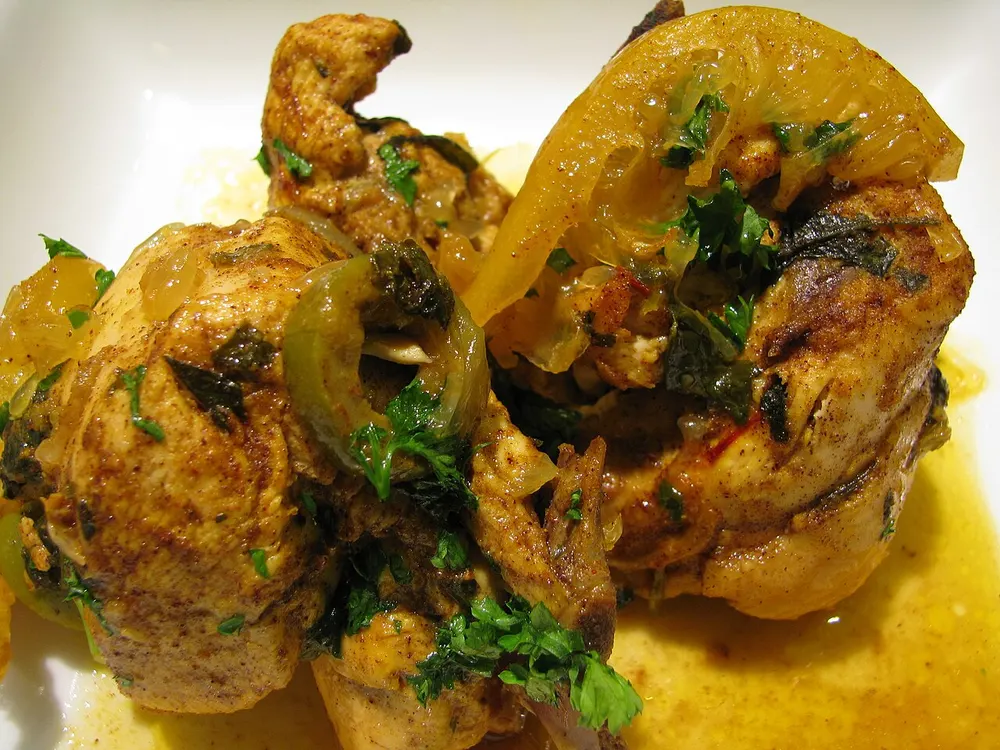
Chicken Tagine with Olives and Lemon
Source: Traditionnel
90 min4420 kcal
HalalSans glutenSans produits laitiers
Une pâte levée molle et collante étirée en anneaux et frite — croustillante dehors, moelleuse dedans, vendue chaude avec du sucre ou du miel.
Source
Recette de Moroccan home kitchens · 🏺 Traditionnel · Moroccan household cooking
Cuisine de rue marocaine — Sfenj is a Maghrebi doughnut of light, spongy fried dough eaten across Morocco, Algeria and Tunisia, typically sprinkled with sugar or soaked in honey and served plain with mint tea. It is traditionally made and sold fresh at dedicated street stalls in the morning. There is no single author; it is a street and home tradition.
Watch it being made · 3 videos
Mix the flour, yeast, sugar and salt, then work in the warm water to a very soft, wet, sticky dough. Do not add extra flour to firm it up.
💡 Sfenj dough is meant to be too soft to handle normally — that wetness is what makes the inside light and chewy. Wet hands, not more flour, is how you manage it.
Beat and slap the dough in the bowl for a few minutes until it turns stretchy and elastic, then cover and leave to rise 1 to 1 1/2 hours until doubled and bubbly.
Heat the oil to about 175°C. Wet your hands well, pull off a lump of dough, and poke a hole through the middle with your thumbs, stretching it into a ring.
Lower the ring into the oil and fry 1 1/2–2 minutes a side, turning once, until deep golden and crisp.
💡 Keep the oil at a steady medium heat. Too hot browns the crust before the wet middle cooks; too cool and the rings drink oil and turn greasy and heavy.
Lift out and drain briefly on paper. While still hot, toss in sugar or dip in honey.
Eat immediately — sfenj is at its best minutes out of the oil, with a glass of mint tea.
Moroccan
Source: Traditionnel
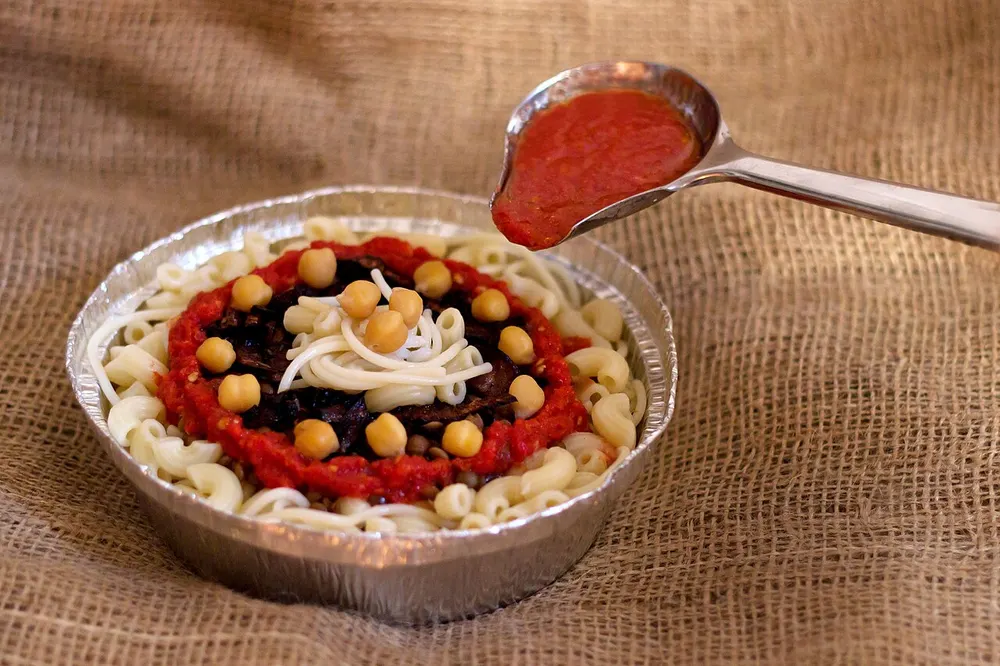
Egyptian
Source: Cuisine maison
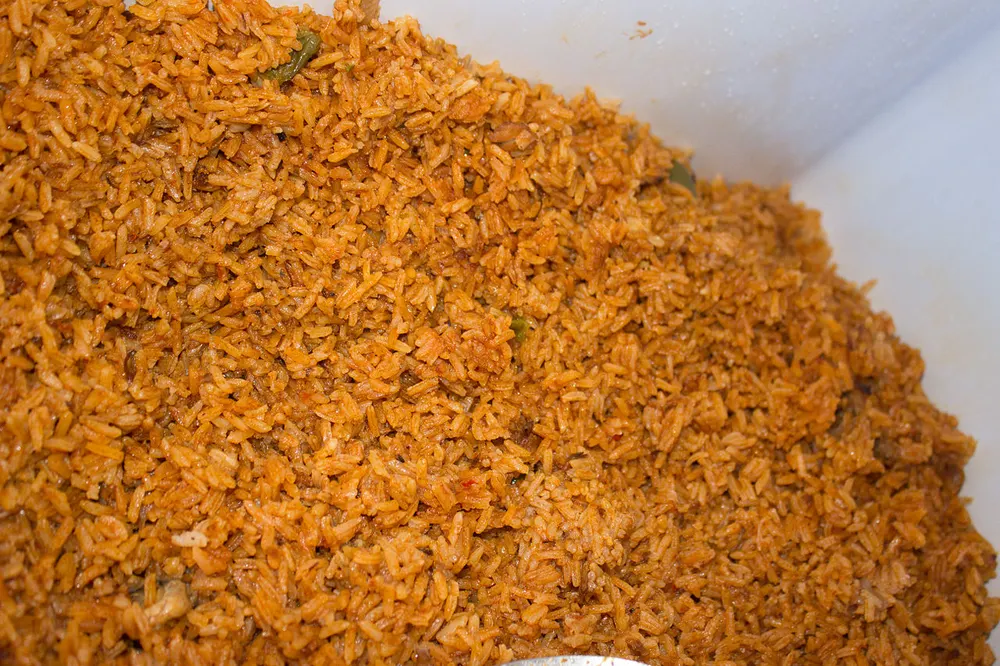
West African / Nigerian
Source: Traditionnel
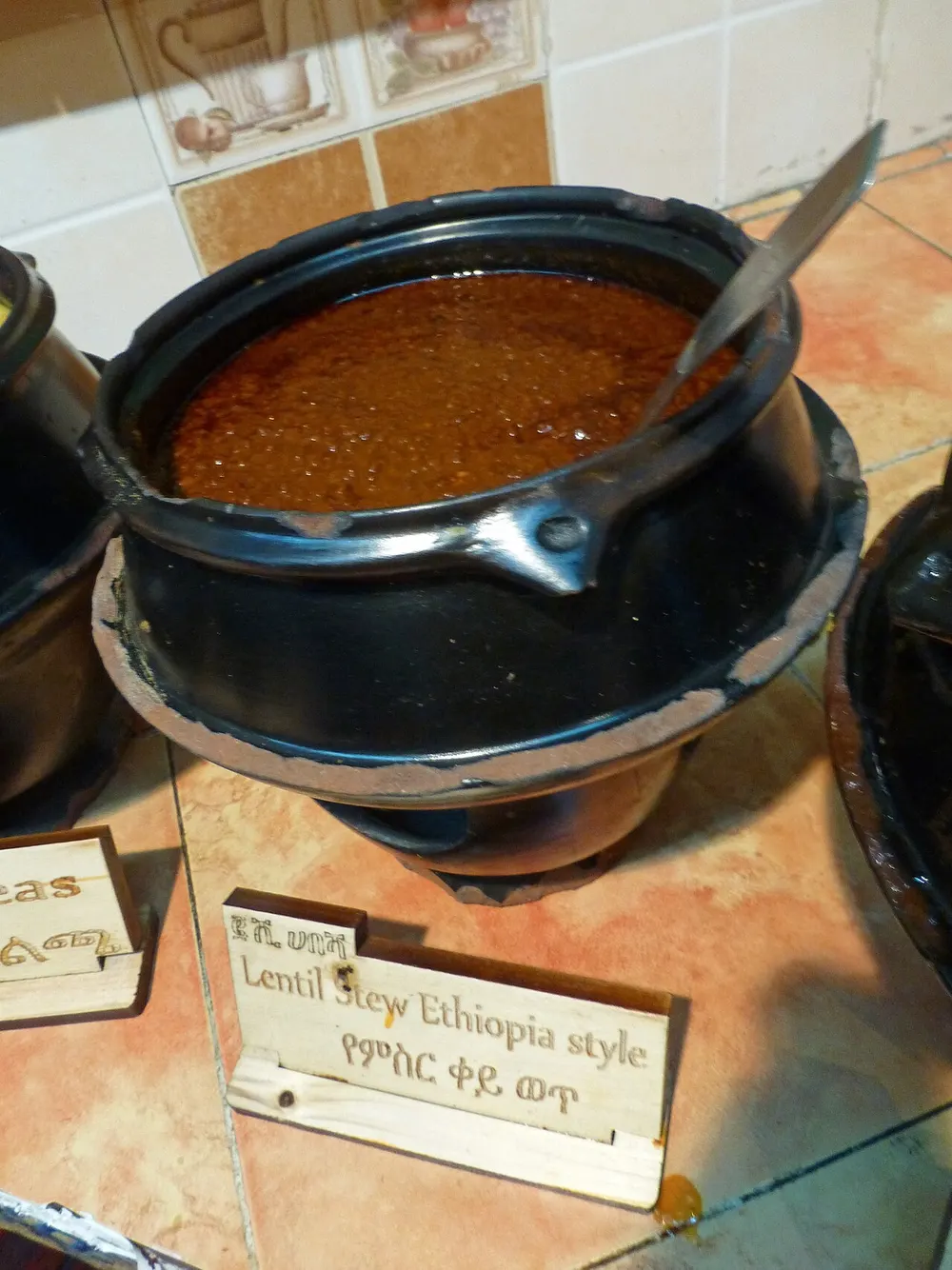
Ethiopian
Source: Cuisine maison
Vous l'avez préparé ? Partagez une photo dans la Vitrine.
Partagez votre création →