Débutant
Korean
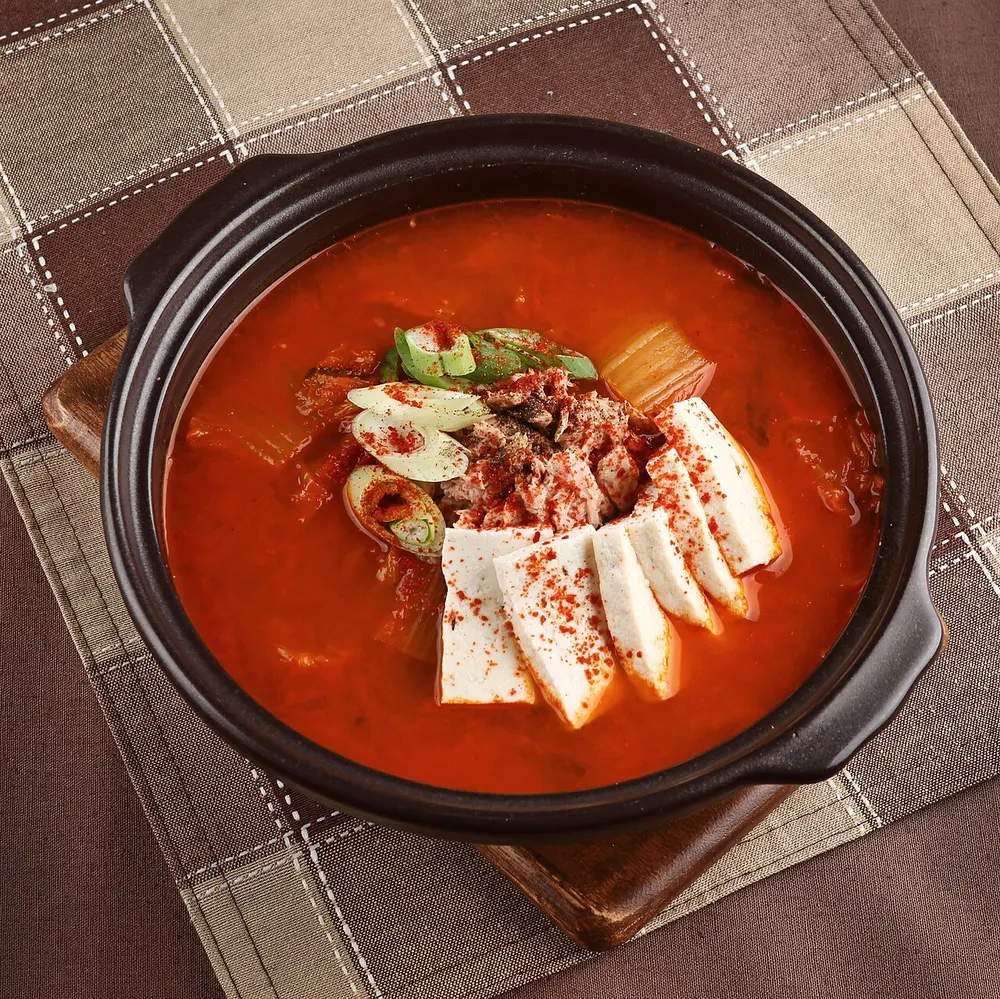
Kimchi Jjigae (Kimchi Stew)
Source: Traditionnel
30 min3420 kcal
Sans produits laitiers🌶️🌶️
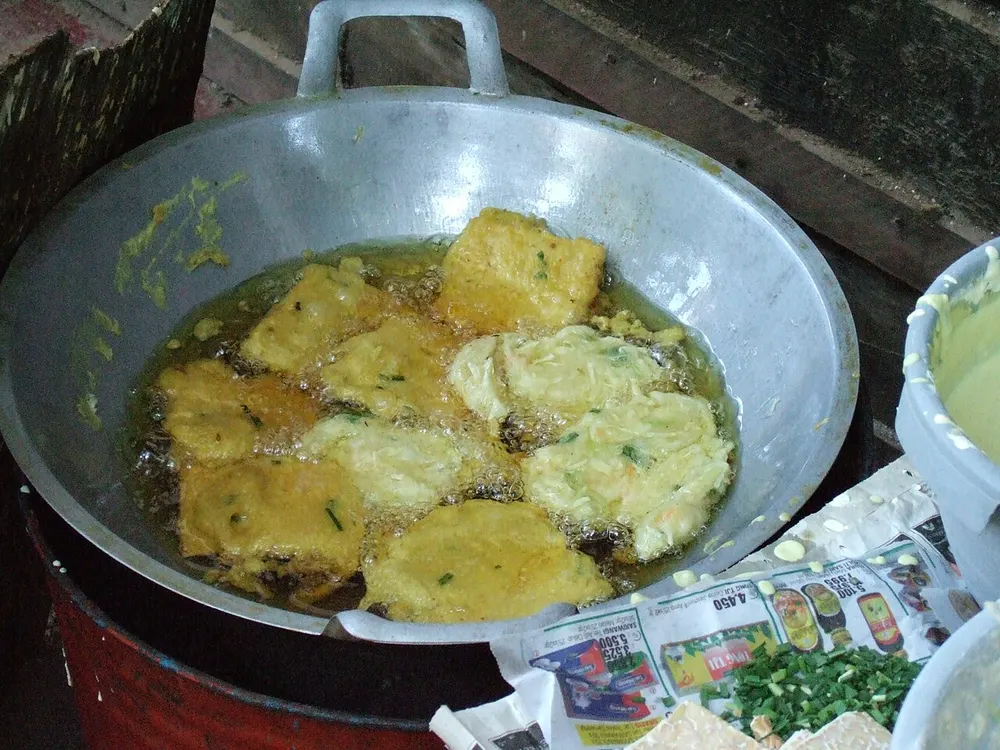
Banyumas's tempeh fritter, and the word tells you the technique: mendo means half-cooked. Thin slices of tempeh dipped in a coriander-and-garlic rice-flour batter and pulled from the oil while the batter is still pale and soft, never crisp. Eaten with raw green chillies and sweet soy.
Source
Recette de Javanese home kitchens · 🏺 Traditionnel · Javanese household cooking
Banyumas · the fritter pulled out early — An ownerless regional snack, so no cook is credited. The cited article confirms mendoan as a fried food from Banyumas, Central Java, named from the Banyumasan word mendo meaning half-cooked — cooked quickly in hot oil so it is deliberately not completed — and usually made of tempeh and tofu. The batter, the oil depth, the pale-colour cue and quantities are this book's own.
En savoir plus sur Wikipédia ↗
Voir comment on la prépare · 3 vidéos
Whisk the rice flour, tapioca, water, garlic, coriander, turmeric and salt into a batter the thickness of pouring cream. Stir in the spring onions.
Heat 1.5 cm of oil in a wide pan to 170 °C — a drop of batter should sizzle at once but not brown fast.
Dip each tempeh slice in batter, let the excess run off, and lay it in the oil. Fry 60–90 seconds a side, only until the batter has set and turned a pale straw colour.
💡 Pale. If it looks done, it is overdone — the batter must stay soft enough to fold. That half-cooked softness is the entire identity of mendoan; a crisp one is just tempe goreng.
Drain briefly on paper and serve hot, with whole green chillies to bite between mouthfuls and kecap manis for dipping.
Korean
Source: Traditionnel
Korean
Source: Cuisine maison
Korean
Source: Cuisine maison
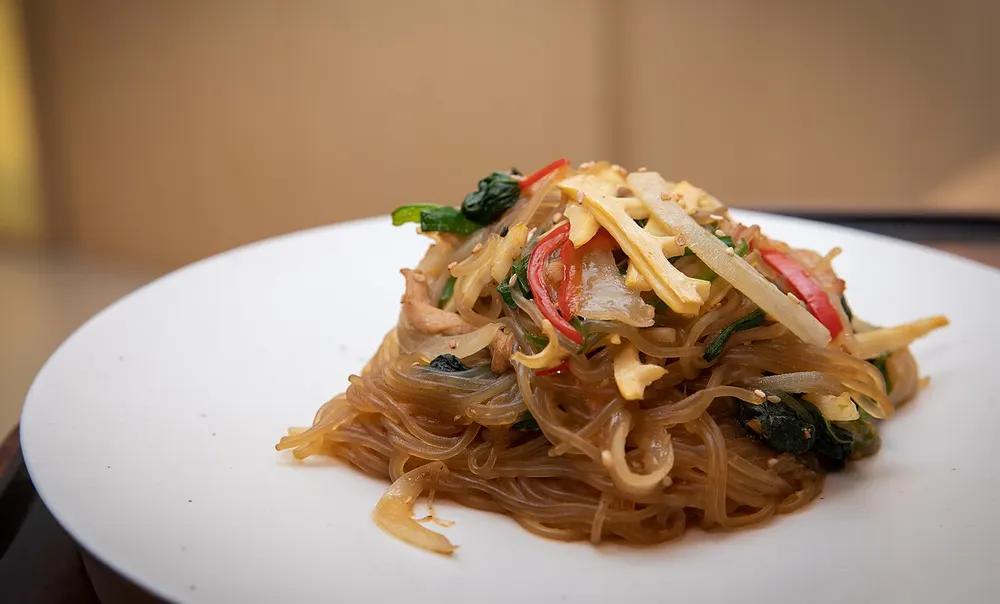
Korean
Source: Traditionnel
Vous l'avez préparé ? Partagez une photo dans la Vitrine.
Partagez votre création →