Trung cấp
Moroccan
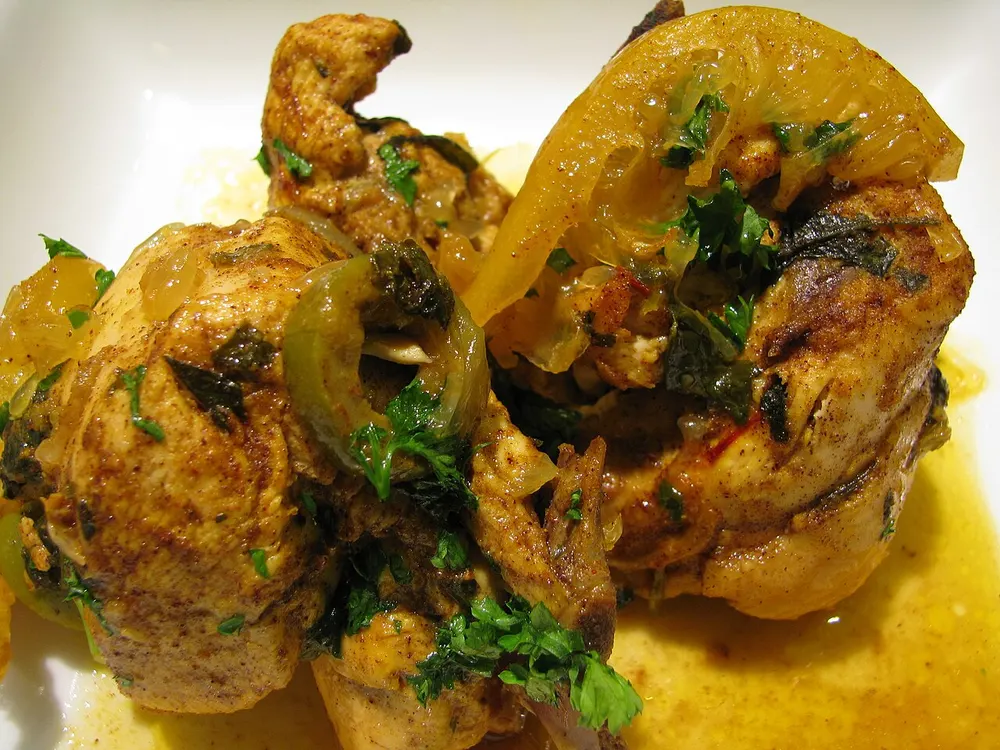
Chicken Tagine with Olives and Lemon
Nguồn: Truyền thống
90 phút4420 kcal
HalalKhông glutenKhông sữa
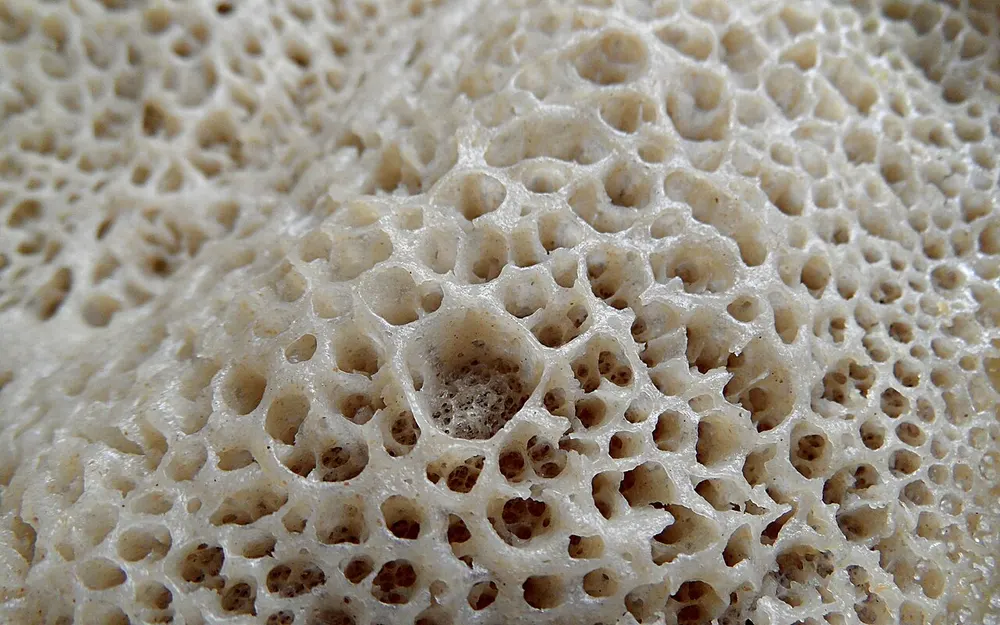
The spongy, sour teff flatbread that is plate, cutlery and staple all at once — batter left to ferment for days, then poured onto a hot griddle so the surface blooms with tiny holes.
Nguồn
Công thức của Ethiopian home kitchens · 🏺 Truyền thống · Everyday Ethiopian cooking — the injera table where stews are ladled straight onto the bread and everyone eats from one platter with their hands.
Ethiopian & Eritrean · staple bread — An ownerless traditional dish, so no cook is credited. The cited article confirms injera as a fermented teff flatbread of Ethiopia and Eritrea, cooked on one side until the surface forms its characteristic 'eyes', and used as both plate and utensil. Quantities and method here are this book's own.
Whisk the flour with the water until completely smooth, cover loosely and leave at room temperature.
Let it ferment 2–3 days. It will separate, smell sharply sour and bubble at the surface — all correct.
💡 Pour off the dark water that rises on top each day and stir once. Warm kitchen: 2 days. Cool kitchen: 4 or more.
Stir in the salt and thin the batter with water until it pours like single cream — thinner than pancake batter.
Heat a wide non-stick pan over medium-high with no oil. Pour the batter in a spiral from the outside in, then stop — do not tilt or spread it.
💡 Injera is cooked on ONE side only. Flipping it is the classic beginner mistake — it kills the holes and makes a pancake.
Cover as soon as the surface turns matte and the eyes open. Steam 2–3 minutes until the top is dry to the touch.
Slide it out onto a cloth, never a stack of hot ones, and cool flat. Repeat with the rest.
Moroccan
Nguồn: Truyền thống
Egyptian
Nguồn: Món nhà làm
West African / Nigerian
Nguồn: Truyền thống
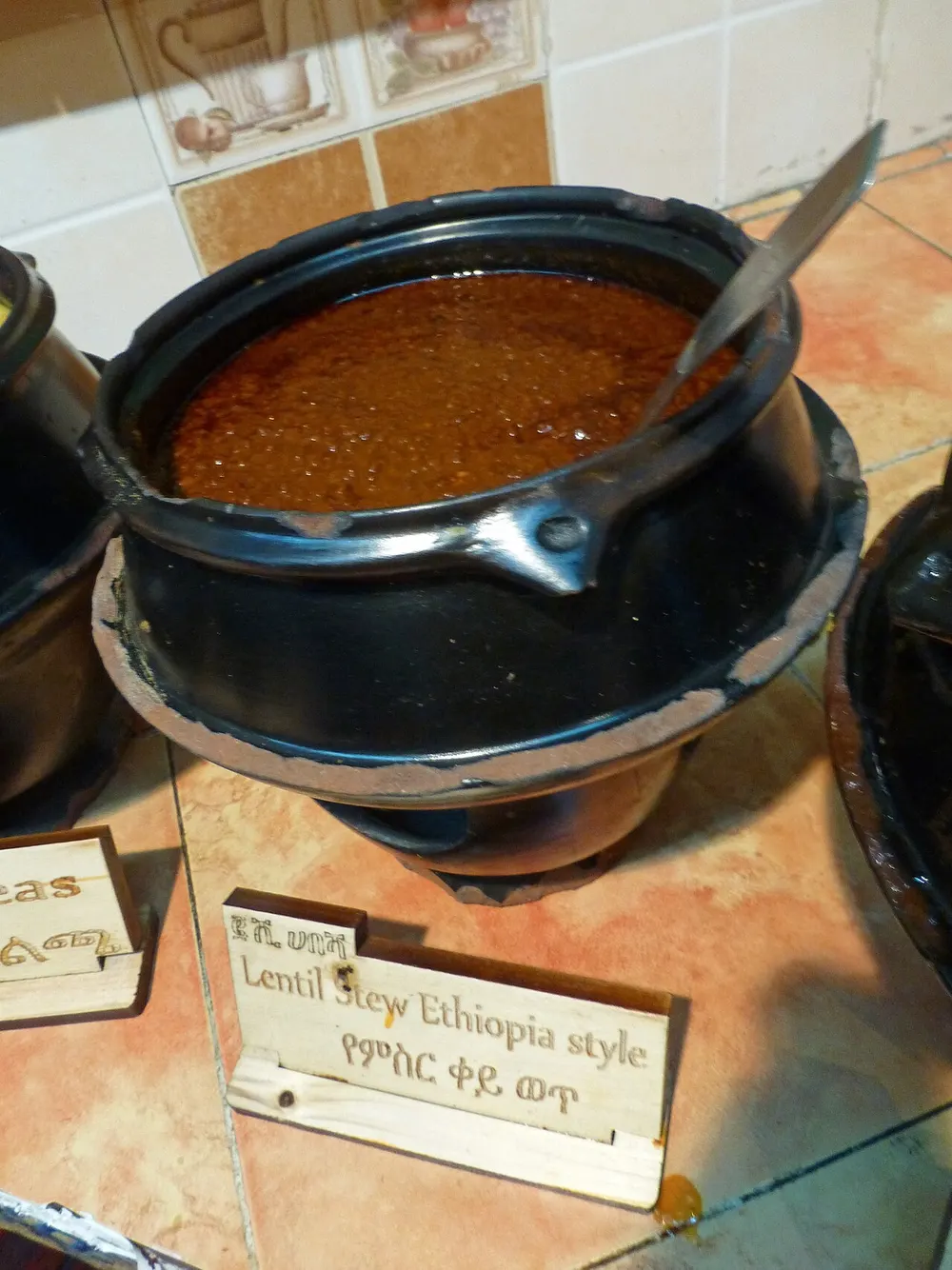
Ethiopian
Nguồn: Món nhà làm
Đã làm món này? Chia sẻ ảnh ở mục Khoe món.
Chia sẻ món bạn làm →