มือใหม่
Korean
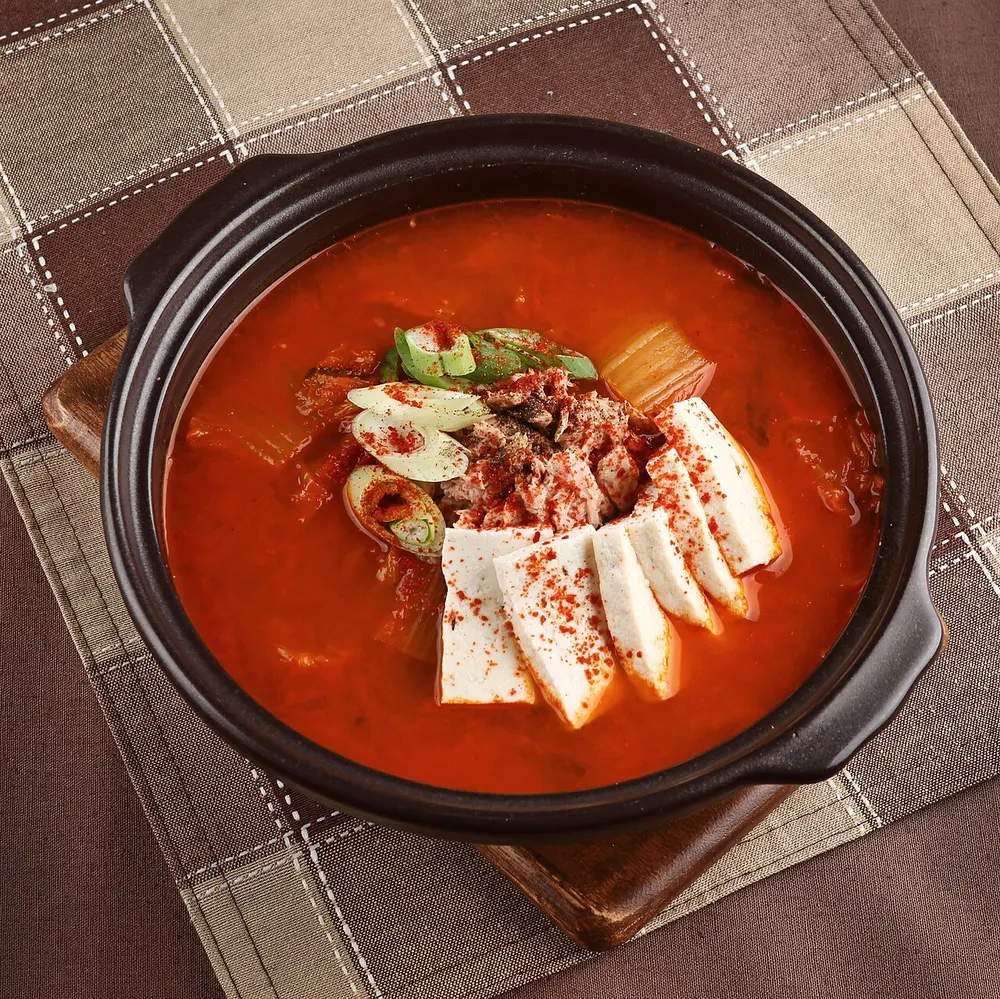
Kimchi Jjigae (Kimchi Stew)
แหล่งที่มา: ดั้งเดิม
30 นาที3420 แคล
ปลอดนม🌶️🌶️
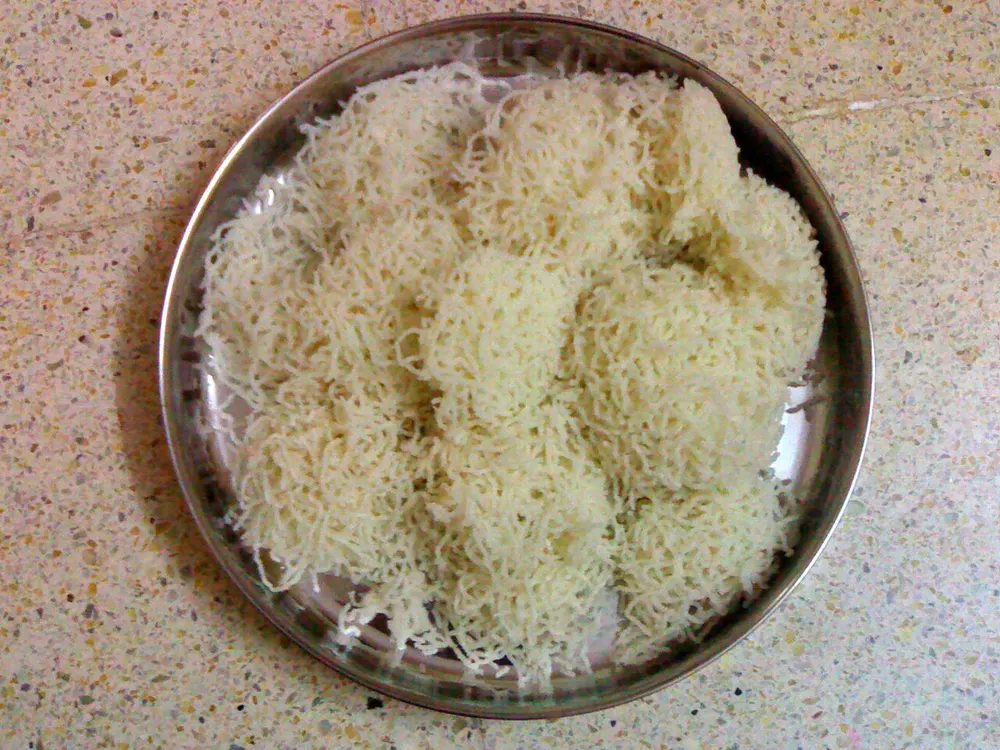
Rice dough pressed through a fine press into flat nests of noodles and steamed — light, plain and built to soak up dal and sambol.
แหล่งที่มา
สูตรโดย Sri Lankan home kitchens · 🏺 ดั้งเดิม · Everyday Sri Lankan cooking — rice and three or four curries, coconut in nearly all of them, and a chilli level the island is not shy about.
Sri Lankan & South Indian · steamed staple — An ownerless traditional dish, so no cook is credited. The cited article's canonical title is Idiyappam, the same dish Sri Lanka calls string hoppers or indiappa; it is shared with South India and the note says so. It confirms the pressed rice-flour strands and the steaming. Quantities and method here are this book's own.
ดูวิธีทำเป็นวิดีโอ · 3 วิดีโอ
Mix the salt into the flour, then pour in the boiling water a little at a time, stirring with a spoon.
When cool enough to handle, knead to a soft, smooth dough that holds together without cracking.
💡 Too dry and it breaks into short bits in the press; too wet and the nests collapse. Aim for soft playdough.
Oil the string-hopper press, load it and squeeze spirals onto small steamer mats, one nest per mat.
Stack the mats in a steamer and steam 6–8 minutes, until the nests turn from chalky white to translucent.
Lift off and serve warm with parippu, pol sambol and a coconut-milk gravy (kiri hodi).
Korean
แหล่งที่มา: ดั้งเดิม
Korean
แหล่งที่มา: ครัวบ้าน
Korean
แหล่งที่มา: ครัวบ้าน
Korean
แหล่งที่มา: ดั้งเดิม
ทำแล้วใช่ไหม? แชร์รูปในหน้าผลงานสิ
แชร์ผลงานของคุณ →