มือใหม่
Korean
Kimchi Jjigae (Kimchi Stew)
แหล่งที่มา: ดั้งเดิม
30 นาที3420 แคล
ปลอดนม🌶️🌶️
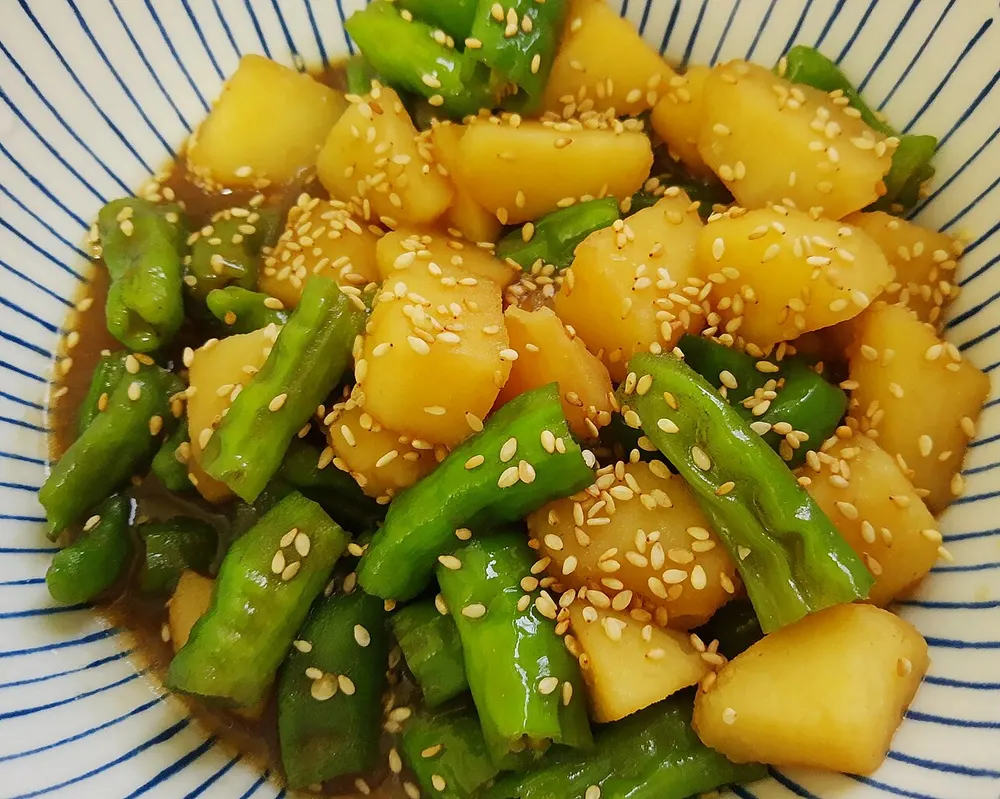
A make-ahead banchan with a hidden order to it: potato and beef start in cold water with the sugar and syrup, and the soy sauce only joins once it is all boiling — braised down in seven or eight minutes.
แหล่งที่มา
สูตรโดย 백종원 · 👨🍳 เชฟ · Paik Jong-won — chef & restaurateur, 백종원의 요리비책
ชื่อของเชฟและครีเอเตอร์ปรากฏเพื่อระบุแหล่งที่มาเท่านั้น More Recipes Please ดำเนินงานอย่างอิสระ ไม่ได้มีความเกี่ยวข้อง ไม่ได้รับการรับรองหรือสนับสนุนจากบุคคลเหล่านี้
Paik Jong-won (요리비책) — Published by Paik Jong-won on his own YouTube channel as '고기를 넣어 더 맛있는 감자조림!', with the full gram table, his six-step method and his own storage and texture notes in the description. What makes his version distinctive is a sequence that looks arbitrary and is not: potato and beef begin in cold water with only the sugar and corn syrup, and the soy sauce is withheld until the pot boils — so the potato absorbs sweetness while still porous and braises through in 7–8 minutes. The shishito peppers go in off the heat.
ผู้ทำอาหาร: 백종원
ดูวิธีทำเป็นวิดีโอ
Cut the beef into bite-size 4 cm lengths — kitchen scissors are easiest for any oversized pieces.
Optionally, tip the beef into a sieve and rinse it briefly under running water, then drain.
💡 This is his own written tip, and it is worth doing. Rinsing away the loose surface blood means far less grey scum in the pot, and the finished sauce stays clear instead of murky.
Cut the potatoes into 3 cm cubes. Cut the onion into 2 cm cubes and each shishito pepper into 3–4 pieces.
Put the potato, beef, water, brown sugar and corn syrup into a deep frying pan or a pot — no soy sauce yet — and set it over high heat. Separate the beef slices with your fingers as they go in so they do not clump.
💡 Sugar first, soy sauce later, is the quiet trick here. Salt tightens potato and slows it from absorbing anything, so the sweet goes in while the potato is still raw and porous — the savoury follows once the sweetness is already inside.
Separating the beef as it heats, bring the pan to a boil — about 4–5 minutes — skimming off any grey foam.
When the seasoning liquid boils up, add the onion and keep boiling together.
When it comes back to a boil, add the jin-ganjang and the minced garlic, then turn the heat down to medium.
💡 Now the soy goes in. Adding it at the very start is the single most common way this dish goes wrong — the potato firms up, refuses the sauce, and you end up boiling it far longer just to cook it through.
Braise at a medium simmer for about 7–8 minutes, until the potato takes a chopstick easily and the liquid has reduced to a thick, glossy pool around the pieces.
💡 7–8 minutes is his figure, not ours — unusually precise for a braise, and it works because the potato started cooking in the water from cold rather than being added to hot sauce.
Turn off the heat, add the shishito peppers, and stir them through the residual heat.
💡 Off the heat, always. The pan is more than hot enough to take the raw edge off them while they stay bright green and snappy. Boil them and they go olive and limp.
Serve it warm right away — he suggests lightly mashing the potato and mixing it into rice with a knob of butter.
If you are not eating it now, cool it completely before putting it in an airtight container and into the fridge.
💡 Another of his own written notes. Warm food sealed in a container steams itself, and the condensation waters down the glaze you just spent eight minutes reducing — and it spoils faster.
Korean
แหล่งที่มา: ดั้งเดิม
Korean
แหล่งที่มา: ครัวบ้าน
Korean
แหล่งที่มา: ครัวบ้าน
Korean
แหล่งที่มา: ดั้งเดิม
ทำแล้วใช่ไหม? แชร์รูปในหน้าผลงานสิ
แชร์ผลงานของคุณ →