มือใหม่
Korean
Kimchi Jjigae (Kimchi Stew)
แหล่งที่มา: ดั้งเดิม
30 นาที3420 แคล
ปลอดนม🌶️🌶️
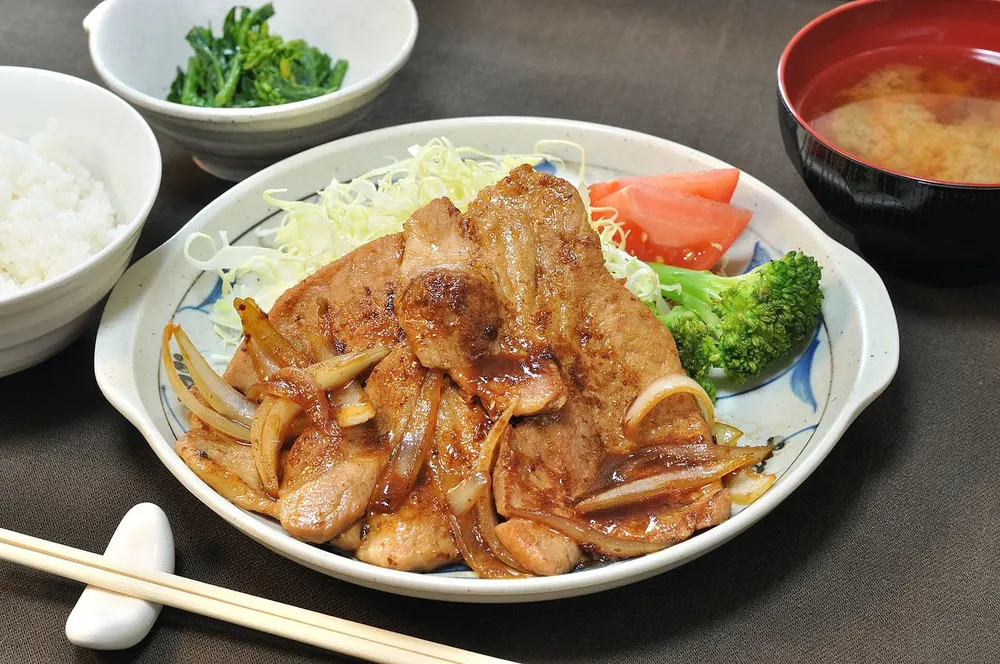
The chef's simplest ginger pork: no marinating, cheap pork komagire, and 40 g of young ginger grated skin-on and stirred in only at the very end so the aroma never gets cooked away.
แหล่งที่มา
สูตรโดย 笠原将弘 · 👨🍳 เชฟ · Masahiro Kasahara — Japanese-cuisine chef, owner of the Tokyo restaurant Sanpi Ryoron (賛否両論)
ชื่อของเชฟและครีเอเตอร์ปรากฏเพื่อระบุแหล่งที่มาเท่านั้น More Recipes Please ดำเนินงานอย่างอิสระ ไม่ได้มีความเกี่ยวข้อง ไม่ได้รับการรับรองหรือสนับสนุนจากบุคคลเหล่านี้
Masahiro Kasahara (笠原将弘の料理のほそ道) — Published by Masahiro Kasahara on his own YouTube channel as '一番簡単で一番ウマい作り方教えます【豚の新生姜焼き】' — 'the simplest and tastiest way, taught'. He introduces it as the most stripped-back of the many shogayaki recipes out there, built around young ginger. His full 材料 list for 1–2 servings and numbered method are published as text in the video description, and the quantities here come straight from it. Distinctive to his version: nothing is marinated, cheap pork offcuts stand in for loin slices, sugar goes into the pan alone before the other seasonings (he adds a note in his own method to stress this), and all 40 g of young ginger is grated skin-on and stirred in off the heat at the very end.
ผู้ทำอาหาร: 笠原将弘
ดูวิธีทำเป็นวิดีโอ
Rinse the young ginger under cold water and grate it — skin and all — into a small pile. Set it aside.
💡 Skin on is not laziness. Young ginger has thin, pale skin with no fibrous edge, and much of its perfume sits right beneath it. Peeling it away throws out the aroma the dish is named for. (Ordinary mature ginger is a different story — see the tips.)
Slice the onion thinly.
Shred the cabbage as finely as you can, drop it into cold water, and put it in the fridge to crisp while you cook.
💡 The cold water is doing real work: the shreds drink it up and go glassy and snapping. That icy crunch against the hot, sweet-salty pork is half of why a shogayaki plate tastes balanced rather than heavy.
Set a frying pan over medium heat with the 1 tbsp of oil, and cook the onion.
Keep it moving for 2–3 minutes, until the onion has gone limp and translucent and smells sweet rather than sharp.
💡 Kasahara says only 'until the onion is limp' — the 2–3 minutes is our guide. Onions go first and alone so they can soften properly; crowd the pork in now and they will steam instead.
Add the pork komagire and stir-fry it in with the onion, breaking up any clumps with your chopsticks or spatula.
Cook 3–4 minutes, until no pink shows anywhere on the meat.
Now the seasoning, and the order matters. Sprinkle the 1 tbsp of sugar over the meat first, on its own, and toss it briefly through the hot pan.
💡 Kasahara flags this himself with a note in his own method: sugar in first, a quick toss, then the rest. On the bare hot pan the sugar melts and just begins to caramelise against the meat. Dumped in with the soy and sake it would only dissolve into liquid and taste flatly sweet.
Add the sake, the soy sauce and the pinch of ichimi togarashi, and let the whole pan come up to a bubble.
Boil it down for 1–2 minutes, tossing, until the liquid has thickened into a glaze that clings to the pork and the pan is no longer swimming.
💡 Stop while there is still a shine. Reduce it bone dry and the sugar will catch and turn bitter; leave it soupy and it slides off the meat onto the plate.
Turn off the heat and only now stir in the grated young ginger, tossing it through until every piece is coated.
💡 This is the move the whole recipe turns on. Almost every other ginger-pork recipe marinates the meat in ginger or boils it in the sauce — and boiling drives the volatile aroma straight out of the pan. Kasahara holds all 40 g back to the last second so what you smell at the table is raw, bright ginger.
Drain the chilled cabbage well and pile it on the plates, then spoon the pork alongside. Add a dab of mayonnaise for the cabbage and eat straight away, with rice.
Korean
แหล่งที่มา: ดั้งเดิม
Korean
แหล่งที่มา: ครัวบ้าน
Korean
แหล่งที่มา: ครัวบ้าน
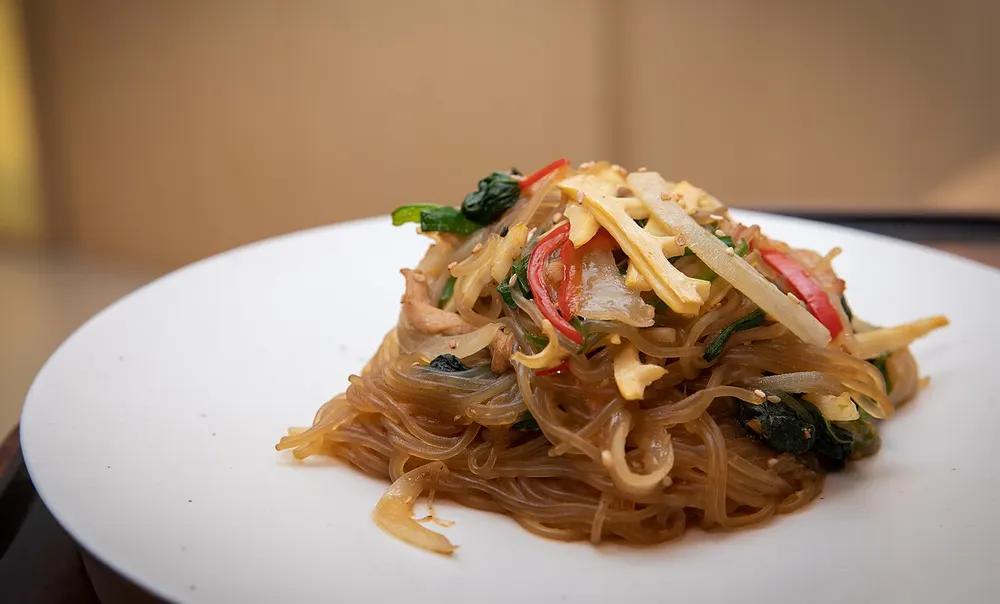
Korean
แหล่งที่มา: ดั้งเดิม
ทำแล้วใช่ไหม? แชร์รูปในหน้าผลงานสิ
แชร์ผลงานของคุณ →