มือใหม่
Korean
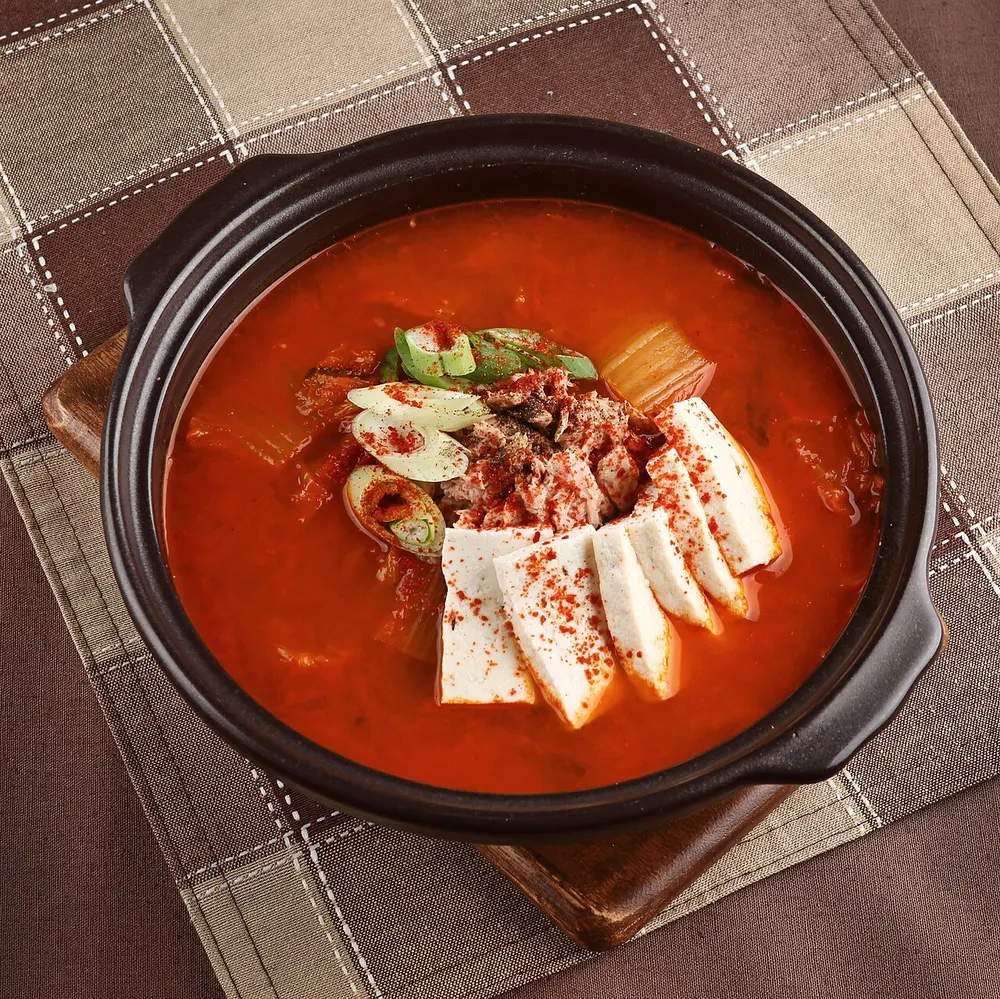
Kimchi Jjigae (Kimchi Stew)
แหล่งที่มา: ดั้งเดิม
30 นาที3420 แคล
ปลอดนม🌶️🌶️
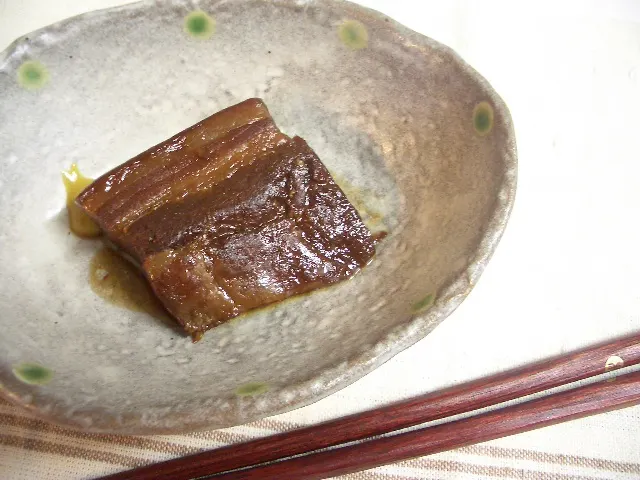
Cubes of pork belly simmered for hours in soy, sake and ginger until the fat turns to silk and a chopstick slides clean through.
แหล่งที่มา
สูตรโดย Japanese home kitchens · 🏠 ครัวบ้าน
Nagasaki / Kyushu — Japanese-Chinese / 長崎・九州の卓袱料理 — Kakuni comes from Kyushu, especially Nagasaki, where centuries of trade with China left a lasting mark on the local table. It is widely regarded as a Japanese adaptation of the Chinese Dongpo pork, folded into Nagasaki's shippoku banquet cuisine.
ดูวิธีทำเป็นวิดีโอ · 3 วิดีโอ
Sear the pork cubes in a dry pot on all sides to render surface fat and deepen the flavour.
Cover with water, add the ginger and onion greens, and boil gently for an hour to render fat and tenderise.
💡 This first plain boil melts away excess grease so the finished dish is rich but not heavy.
Discard the boiling water and aromatics and rinse the pork to wash off the scum.
Return the pork to a clean pot with the sake, soy, sugar and mirin plus water to just cover.
Set a drop-lid on top and simmer very gently for 60–90 minutes until fork-tender and glossy.
Add peeled soft-boiled eggs in the last 20 minutes to steep, then serve with greens and a dot of karashi.
Korean
แหล่งที่มา: ดั้งเดิม
Korean
แหล่งที่มา: ครัวบ้าน
Korean
แหล่งที่มา: ครัวบ้าน
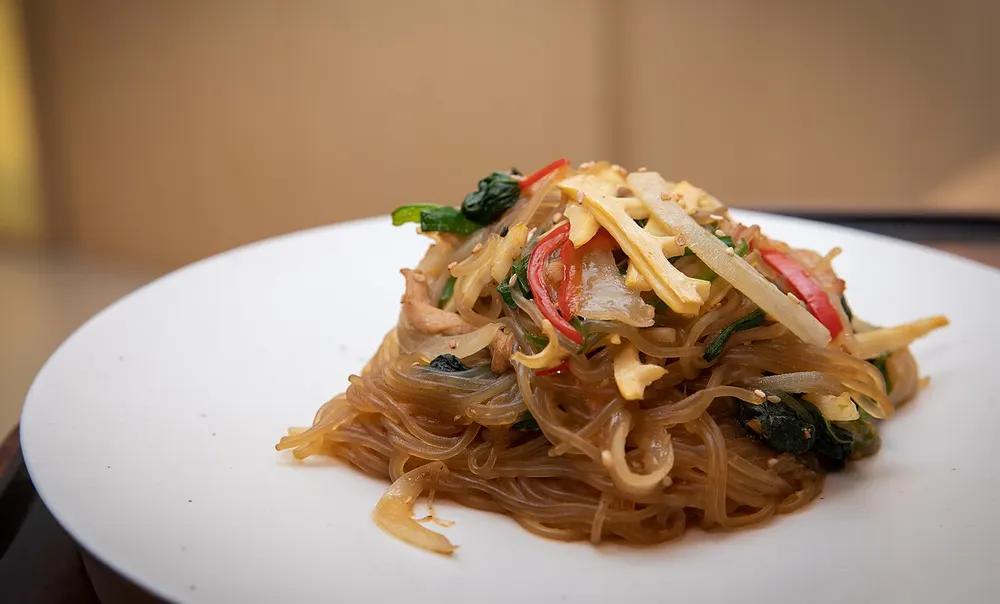
Korean
แหล่งที่มา: ดั้งเดิม
ทำแล้วใช่ไหม? แชร์รูปในหน้าผลงานสิ
แชร์ผลงานของคุณ →