Новичок
Korean
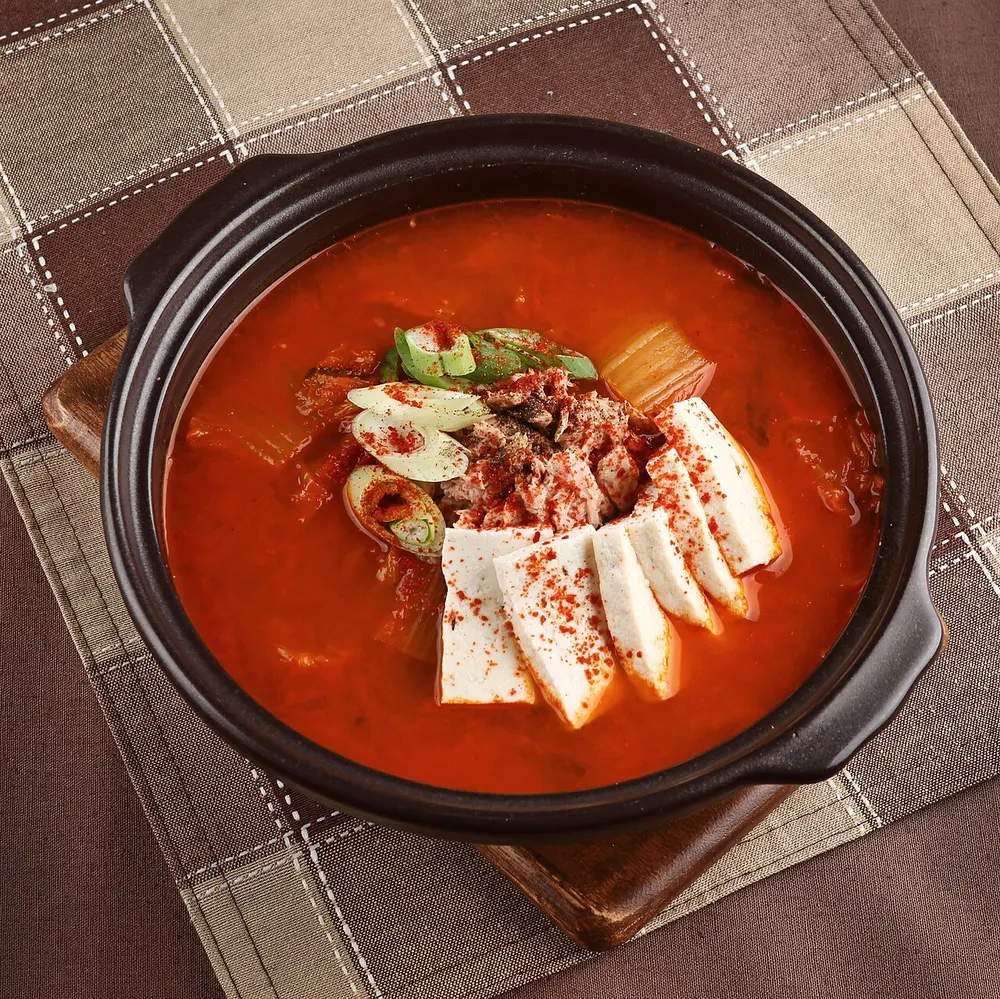
Kimchi Jjigae (Kimchi Stew)
Источник: Традиционное
30 мин3420 ккал
Без молочного🌶️🌶️
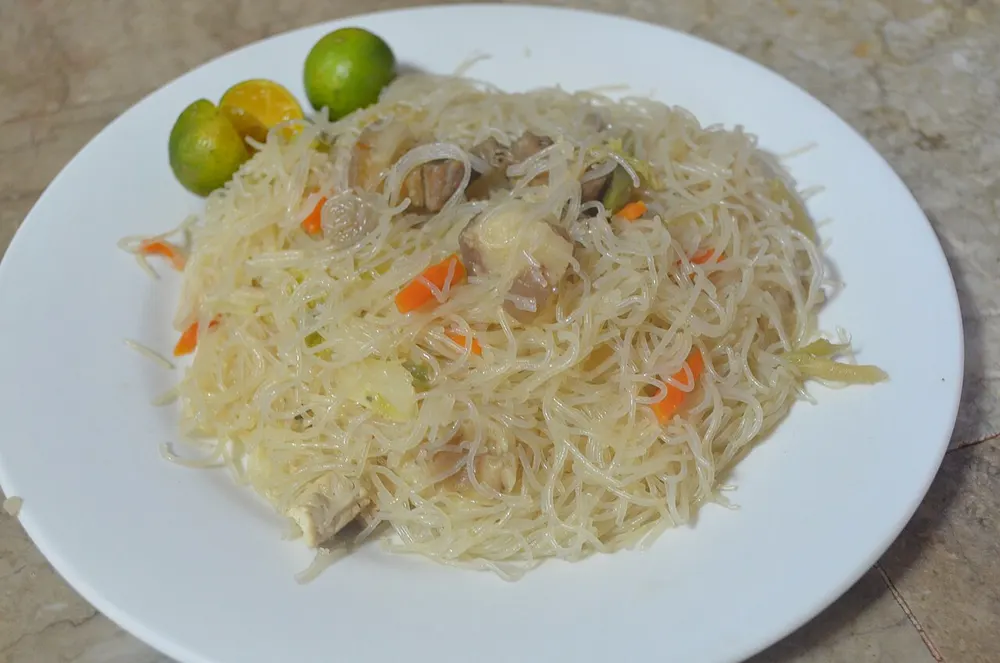
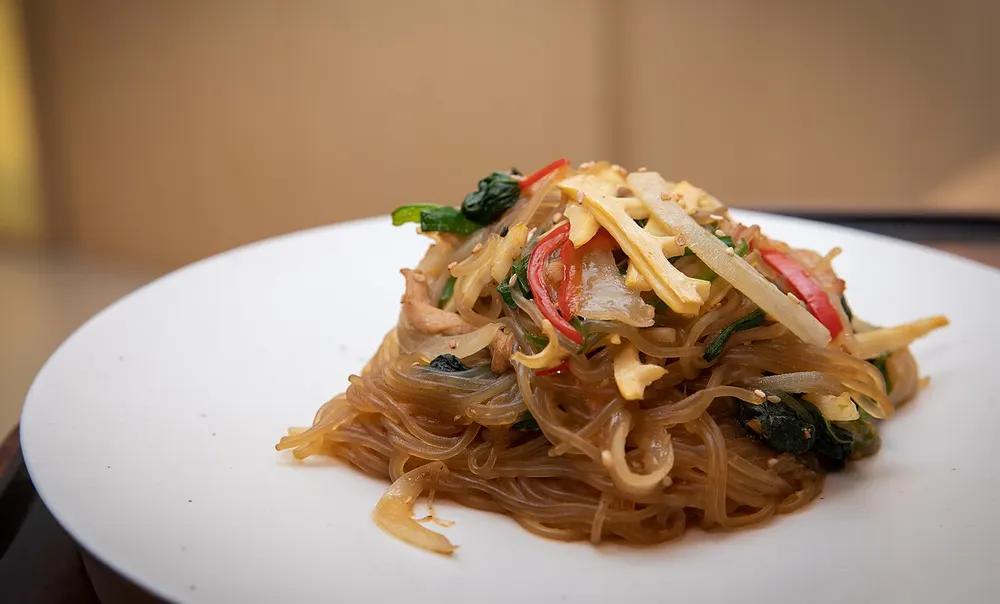
The noodle dish that appears at every Filipino birthday, because long noodles mean a long life. Thin rice vermicelli is cooked directly in the savoury broth left from the pork, chicken and vegetables, so it absorbs everything instead of being sauced.
Источник
Автор рецепта Vanjo Merano · 📱 Блогер · Vanjo Merano — Filipino food writer behind Panlasang Pinoy, the largest Filipino recipe site
Имена поваров и авторов указаны только как ссылка на источник. More Recipes Please независима, не связана с ними, не одобрена и не спонсируется ими.
Panlasang Pinoy (Vanjo Merano) — Vanjo Merano's published pancit bihon guisado. Noodles came to the Philippines with Chinese immigrants and the word 'pancit' itself is Philippine Hokkien; 'guisado' is Spanish for sautéed. Bihon means the thin rice vermicelli used here, as opposed to the thick wheat canton.
Повар: Vanjo Merano
Смотри, как это готовят · 3 видео
Soak the bihon noodles in cool water while you prepare everything else — about 10 minutes, until they bend without snapping. Drain well.
Heat the oil in a wok or wide pan over medium heat and cook the garlic and onion until soft and fragrant.
Add the pork and chicken and cook for 2 minutes, until the pork loses its raw colour.
Sprinkle in the chicken powder, pour in the water, and let it simmer for 15 minutes.
Add the carrots, snow peas, cabbage and celery leaves and simmer just until they are tender.
Lift out ALL the vegetables and meat with a slotted spoon and set them aside. Leave the liquid in the pan.
💡 This looks like a fussy extra step and it is the one that separates good pancit from bad. The noodles need 5–10 more minutes in the pan; anything still in there will be grey and limp by then.
Stir the soy sauce into the liquid, then add the drained noodles. Cook, lifting and turning them with tongs, until every drop of liquid has been absorbed.
💡 Lift and fold rather than stir in circles — bihon is fragile and stirring shreds it into short broken bits. If the noodles are still hard when the pan goes dry, add hot water 60 ml at a time.
Return the meat and vegetables, toss for 1 to 2 minutes to reheat, and serve hot with calamansi or lime on the side.
Korean
Источник: Традиционное
Korean
Источник: Домашняя кухня
Korean
Источник: Домашняя кухня
Korean
Источник: Традиционное
Приготовил? Поделись фото в галерее.
Покажи своё блюдо →