Mudah
Turkish
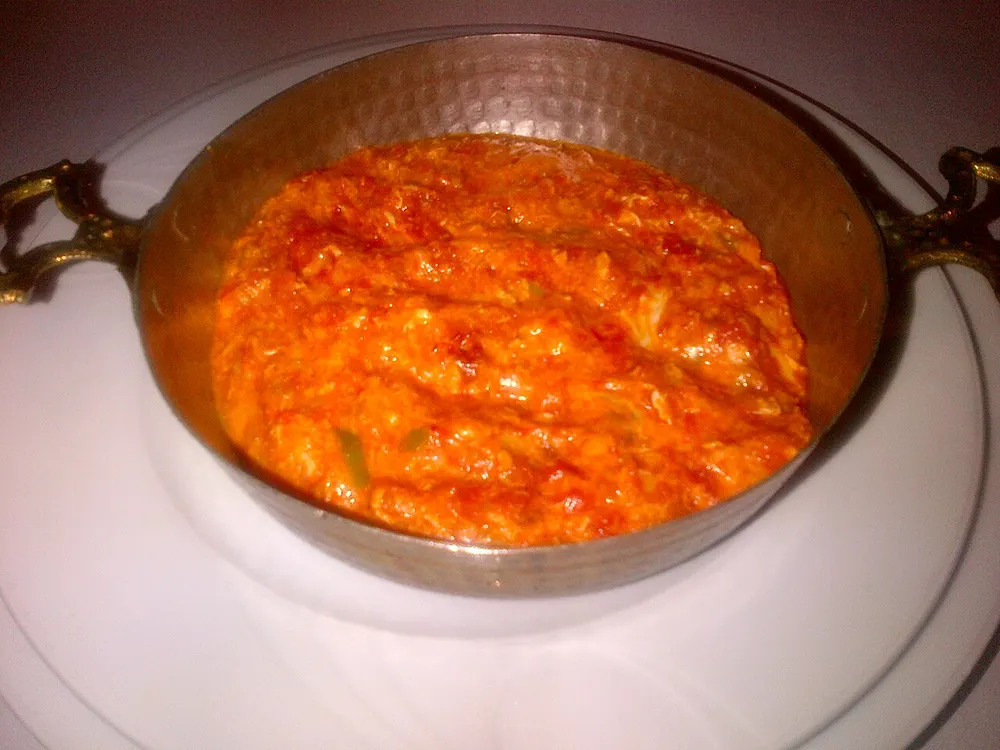
Menemen (Turkish Scrambled Eggs)
Sumber: Masakan rumah
20 min2260 kcal
VegetarianBebas glutenHalal🌶️
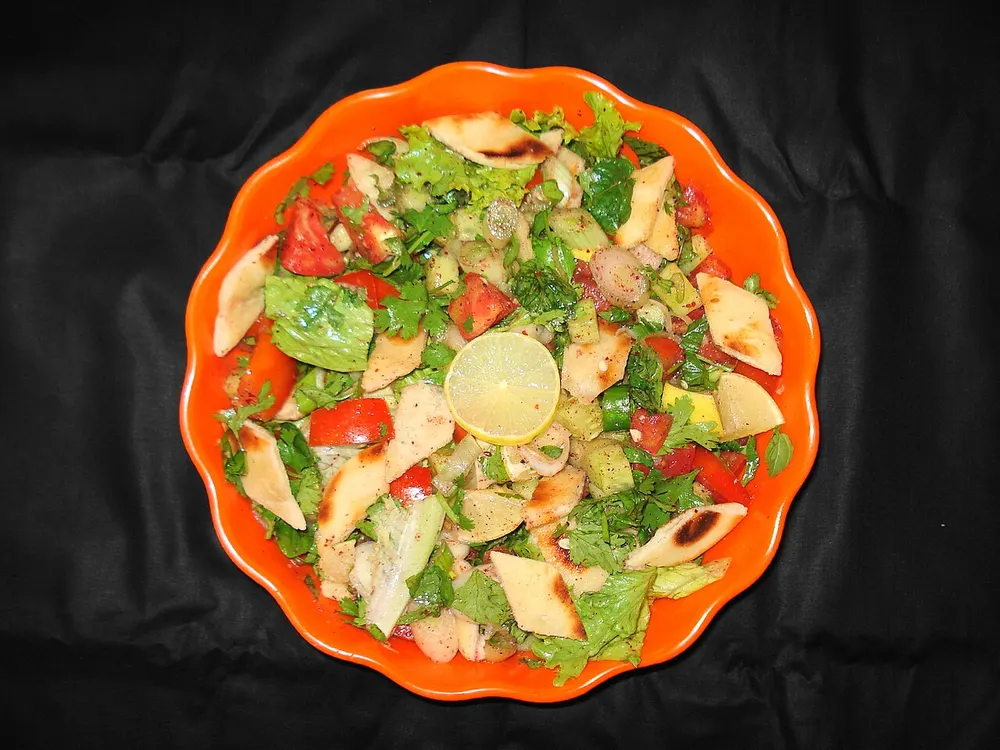
The Levant's answer to stale bread: crisp shards of fried pita tossed through cucumber, tomato and radish, with sumac and lemon sharp enough to cut the oil.
Sumber
Resipi oleh Lebanese home kitchens · 🏺 Tradisional · Lebanese household cooking
Lebanese / Levantine home cooking — A Levantine salad of toasted or fried pieces of pita combined with mixed greens and vegetables such as radishes, cucumber and tomatoes, and a common part of meals across the Levant. It belongs to the region's family of 'fattat' dishes built on repurposed stale flatbread, and has no single author — the version here follows the standard Lebanese treatment, dressed with sumac, lemon and pomegranate molasses.
Tonton cara membuatnya · 3 video
Split the pita rounds open through the middle so you have thin single layers, then tear them into rough, bite-size shards.
Heat 45 ml olive oil in a wide pan over medium heat and fry the pita in a single layer, turning, for 3–4 minutes until deep golden and audibly crisp.
💡 Do it in batches. Piled-up pita steams itself soft in the middle of the pan — and soggy pita is the one thing fattoush cannot survive.
Lift the pita onto paper towel and salt it lightly while it is still hot.
💡 Salt sticks to hot oil and slides off cold bread. This is also the moment to taste one — it should shatter, not bend.
Let the pita cool completely and stay uncovered — trapped steam softens it.
Cut the cucumber into thick half-moons and the tomatoes into chunks. Slice the radishes thinly and the spring onions finely.
Salt the tomatoes and cucumber lightly in a colander and let them drain for 10 minutes.
💡 Optional, but it is the difference between a crisp salad and a soup. Vegetables release water the moment salt hits them — better it happens in the sink than on your pita.
Tear the romaine into rough pieces and roughly chop the parsley and mint.
Crush the garlic clove to a paste with a pinch of salt, using the flat of a knife.
Whisk together the garlic paste, lemon juice, 60 ml olive oil, pomegranate molasses and 1 tsp of the sumac.
Taste the dressing on its own. It should be aggressively sour — sharper than you would want to eat straight.
💡 It gets diluted twice over — by the vegetables' water and by the bread that drinks it. A dressing that tastes balanced in the jar tastes like nothing on the plate.
Put all the vegetables and herbs in a large bowl and pour over the dressing. Toss to coat.
Add the fried pita and toss once — twice at most — then stop.
💡 The bread should be dressed, not soaked. From this moment you have about five minutes before it stops being crisp, which is why fattoush is assembled at the table and never made ahead.
Scatter the remaining sumac over the top and serve straight away.
Turkish
Sumber: Masakan rumah
Levantine
Sumber: Masakan rumah
Levantine
Sumber: Tradisional

Middle Eastern / North African
Sumber: Masakan rumah
Sudah cuba? Kongsi gambar di Pameran.
Kongsi hasil anda →