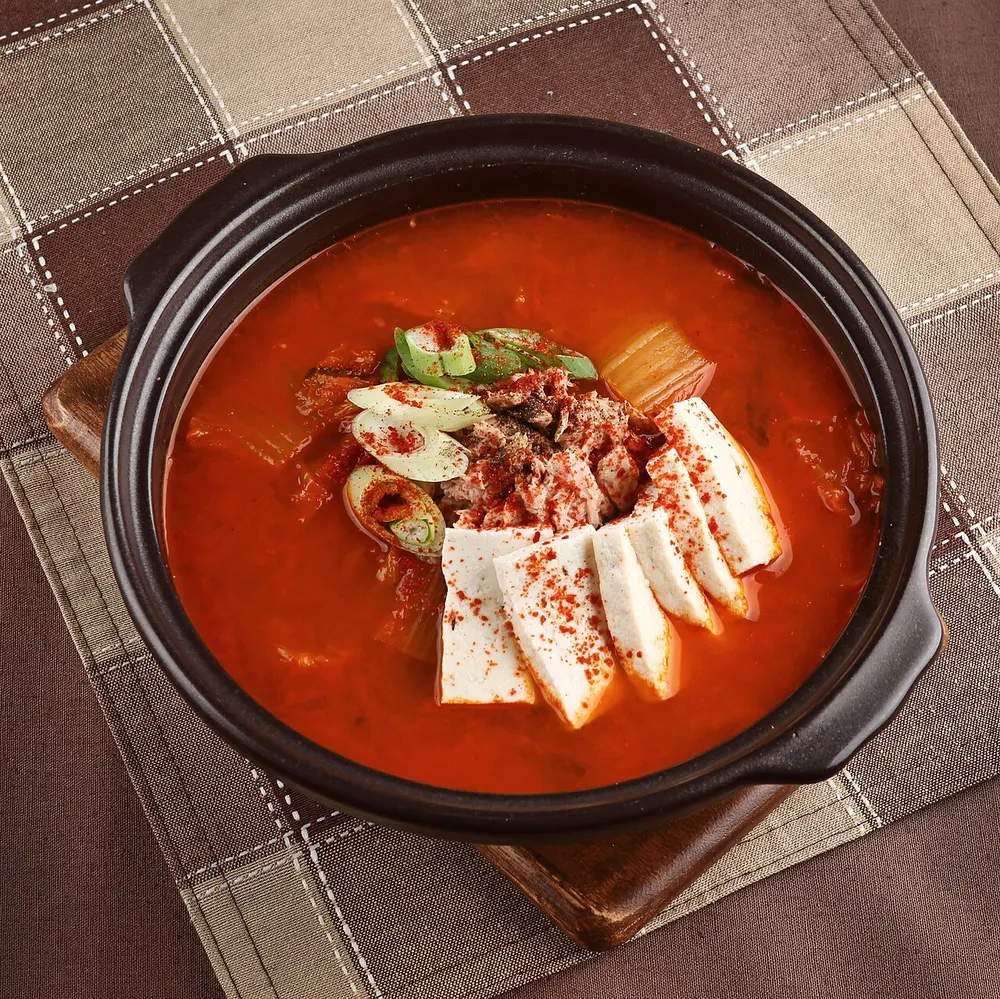
Débutant
Korean
Kimchi Jjigae (Kimchi Stew)
Source: Traditionnel
30 min3420 kcal
Sans produits laitiers🌶️🌶️
One boiled soy-vinegar-sugar brine, memorised in a 2 : 1⅓ : 1½ : 2 ratio, that pickles almost any vegetable overnight — with his three worked examples: cherry tomato, spinach and cucumber.
Source
Recette de 백종원 · 👨🍳 Chef · Paik Jong-won — chef & restaurateur, 백종원의 요리비책
Les noms des cuisiniers et créateurs figurent uniquement à titre de mention de source. More Recipes Please est indépendant et n'est ni affilié, ni approuvé, ni sponsorisé par eux.
Paik Jong-won (요리비책) — Published by Paik Jong-won on his own YouTube channel as '만능 장아찌 소스' — an all-purpose pickling sauce he says suits cherry tomatoes, spinach, cucumber and many other vegetables, demonstrating all three in the same video. The method hinges on one detail: the soy, sugar and water are boiled together but the vinegar is only stirred in after the heat is off, so its sharpness is not driven away.
Cuisinier: 백종원
Watch it being made
Make the sauce first. Put the water, soy sauce and sugar into a pot — but NOT the vinegar — and bring to a boil.
💡 Remember the ratio rather than the grams: soy 2 : vinegar 1⅓ : sugar 1½ : water 2, all by cup. Scale it up or down for however much vegetable you have.
Stir now and then until the sugar has completely dissolved and the brine is clear rather than grainy at the bottom.
Once it boils, turn off the heat and let the steam die down. Then stir the vinegar in.
💡 Vinegar goes in off the heat, and this is the one rule that matters. Boil vinegar and its sharpness evaporates — you would be left with a sweet soy sauce, not a pickling brine.
Let the brine cool until it is no longer steaming at all before it touches any vegetable.
💡 Warm brine cooks the vegetable it lands on and you lose the snap. This is the most common way home jangajji goes soft.
CUCUMBER VERSION — the easiest. Scrub the cucumbers clean under running water.
Cut the cucumber into bite-size pieces, put them in an airtight container, and pour over enough sauce to submerge them. Leave at room temperature for 1 day, then move to the fridge.
SPINACH VERSION — wash the spinach thoroughly, then blanch it very briefly in boiling water and cool it straight away in cold water.
Squeeze the water out of the spinach, lay it neatly in an airtight container, and pour over enough sauce to submerge it. 1 day at room temperature, then refrigerate.
💡 Squeeze it properly. Water left in the leaves dilutes the brine and the whole batch goes slack and spoils sooner.
CHERRY TOMATO VERSION — wash the tomatoes and pull off the stems.
Drop them into boiling water for about 10 seconds, then cool them straight away in cold water.
💡 Ten seconds, no more. You are only splitting the skins so they peel — any longer and the flesh turns to mush.
Slip the skins off the tomatoes and rinse them lightly. Slice the lemon into 0.5 cm coins.
Pack the peeled tomatoes into an airtight container with the lemon slices, pour over enough sauce to submerge them, and ripen in the fridge for about 1 day.
Serve any of them cold, in small amounts, as banchan alongside rice.
Korean
Source: Traditionnel
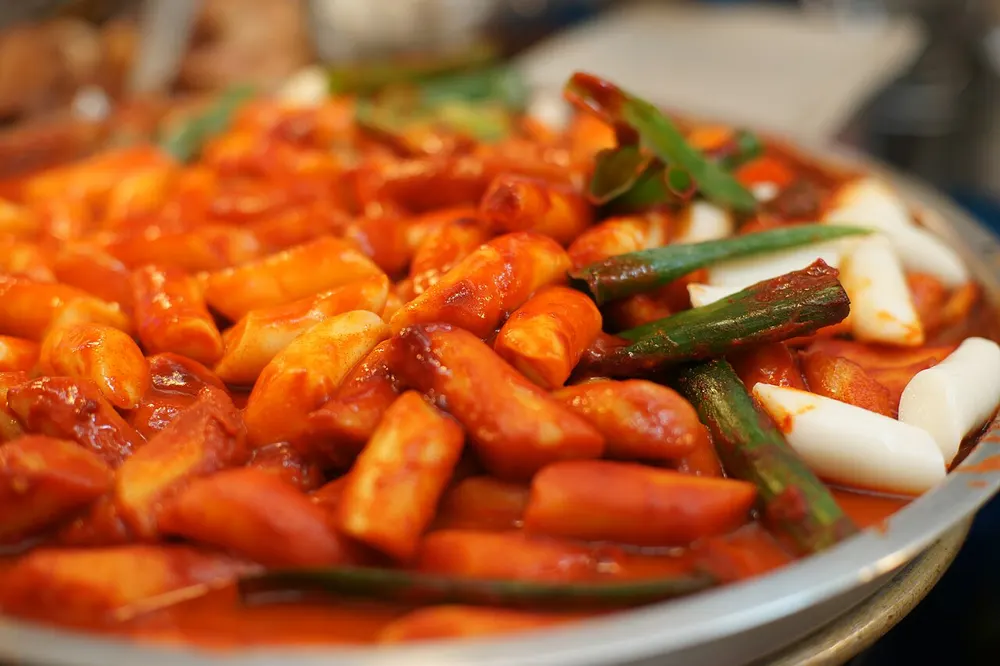
Korean
Source: Cuisine maison
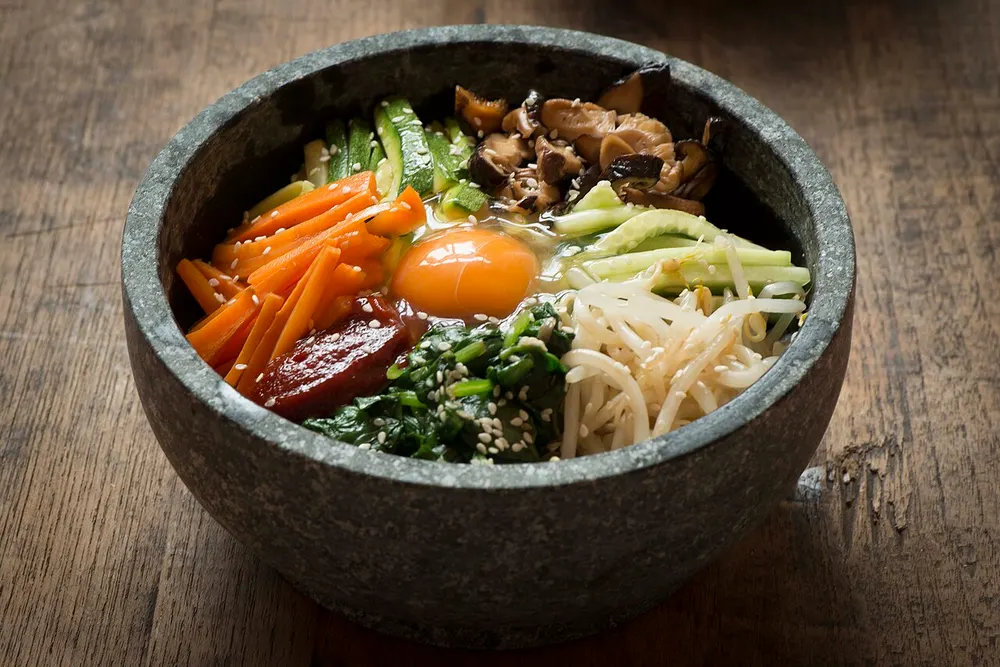
Korean
Source: Cuisine maison
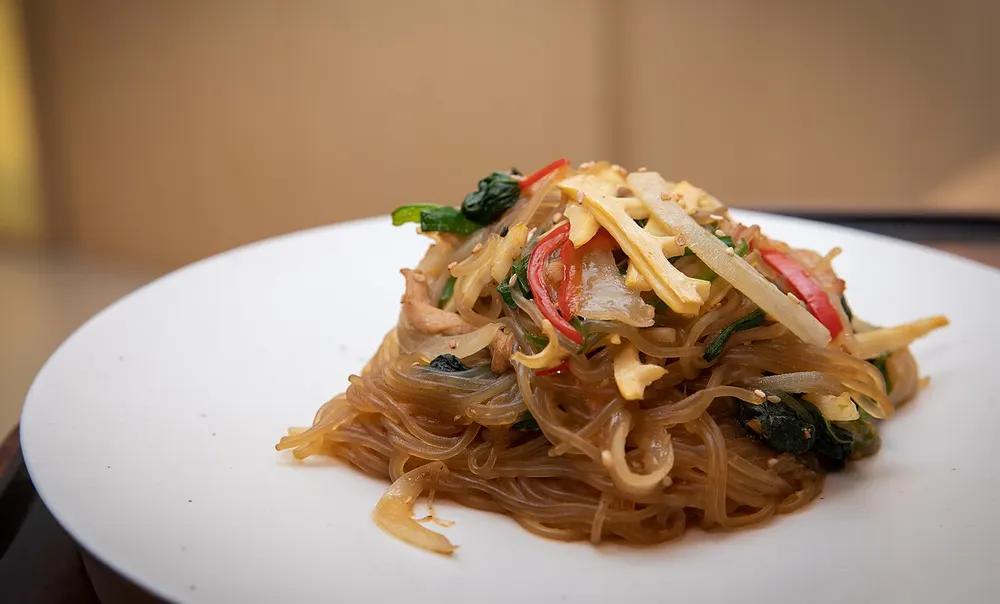
Korean
Source: Traditionnel
Vous l'avez préparé ? Partagez une photo dans la Vitrine.
Partagez votre création →