Beginner
Turkish
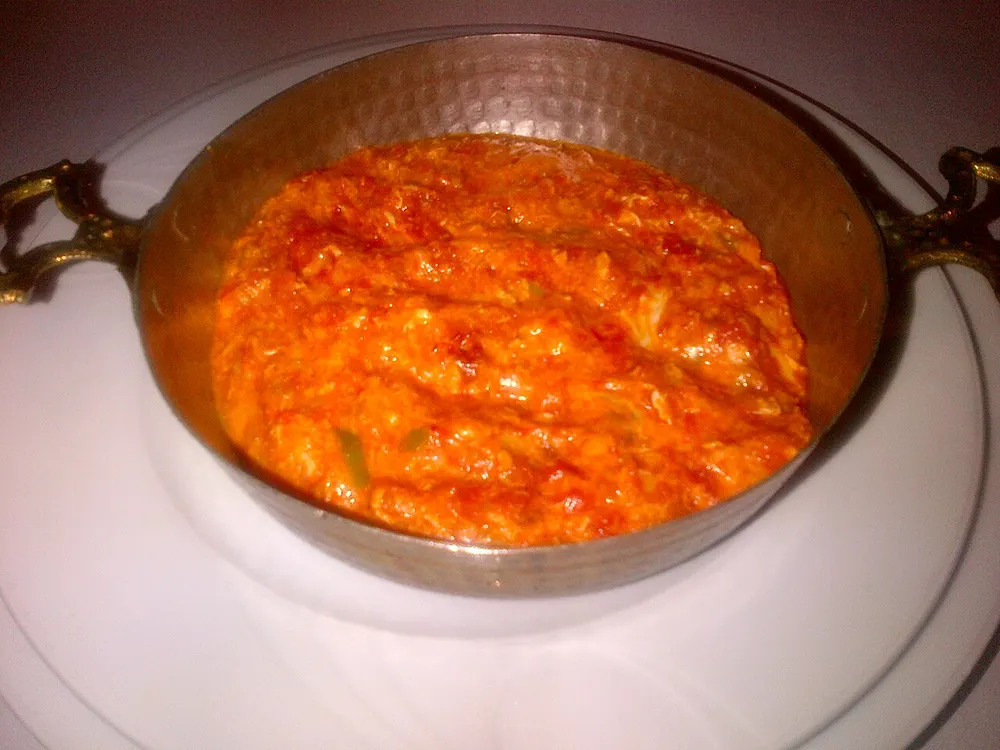
Menemen (Turkish Scrambled Eggs)
Source: Home cook
20 min2260 kcal
VegetarianGluten-freeHalal🌶️
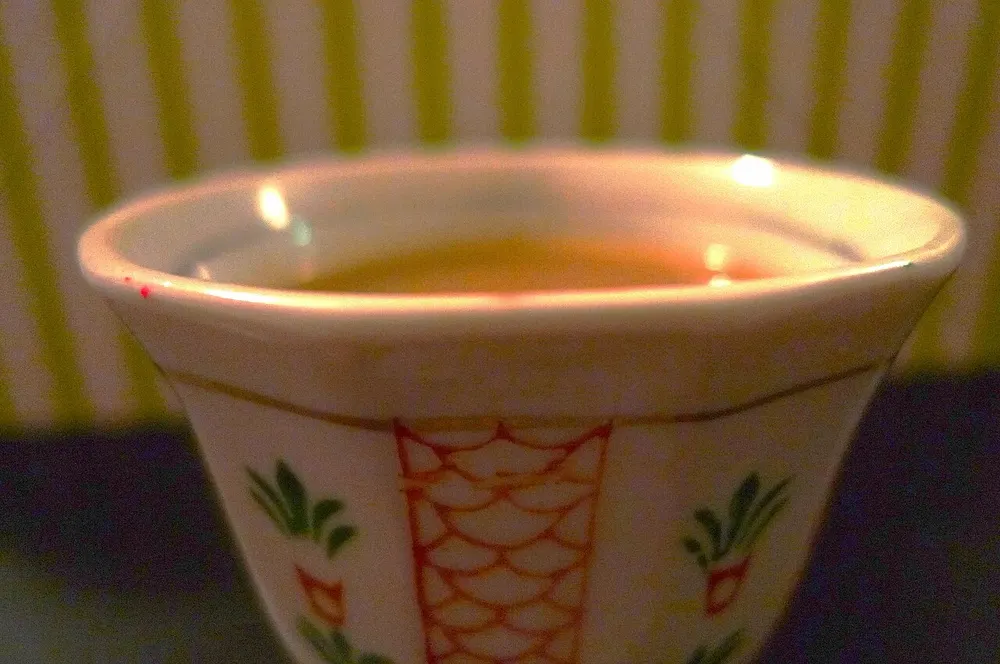
Lightly roasted beans ground with cardamom and boiled twice in a long-spouted dallah — pale gold, unsweetened, poured a third of a cup at a time and served with dates.
Source
Recipe by The Arabian majlis · 🏺 Traditional · The sitting room where guests are received — coffee poured from the right, dates passed round, and the cup refilled until you shake it.
Arabian · the majlis pour — An ownerless traditional drink, so no cook is credited. The cited article confirms the Arabic name qahwa, the arabica base, the cardamom and the serving customs. It covers the Arab world broadly rather than Saudi Arabia alone; `Gahwa` itself 404s. Quantities, the two-stage brew and the pouring etiquette detail are this book's own.
Watch it being made · 3 videos
Bring the water to the boil in a dallah or a small saucepan, then take it off the heat for 30 seconds.
Stir in the ground coffee, return it to a low heat and let it come just to the edge of a boil — 10 minutes, never a rolling boil.
💡 Never a rolling boil. Boiled coffee goes bitter and the grounds break up into the liquid instead of settling.
Take it off the heat and let it stand 5 minutes so the grounds settle.
Add the cardamom, cloves and saffron, put it back on the lowest heat for 5 more minutes.
💡 Cardamom goes in after the coffee, not with it. Boiled with the grounds it turns soapy; added late it stays floral.
Strain into a clean dallah or a thermos. It should be clear pale gold, with nothing floating in it.
Pour into small handleless cups, a third full, holding the dallah in the left hand and serving with the right. Refill until the guest shakes the cup.
Turkish
Source: Home cook
Levantine
Source: Home cook
Levantine
Source: Traditional

Middle Eastern / North African
Source: Home cook
Made this? Share a photo in Showcase.
Share your creation →