Einsteiger
Korean
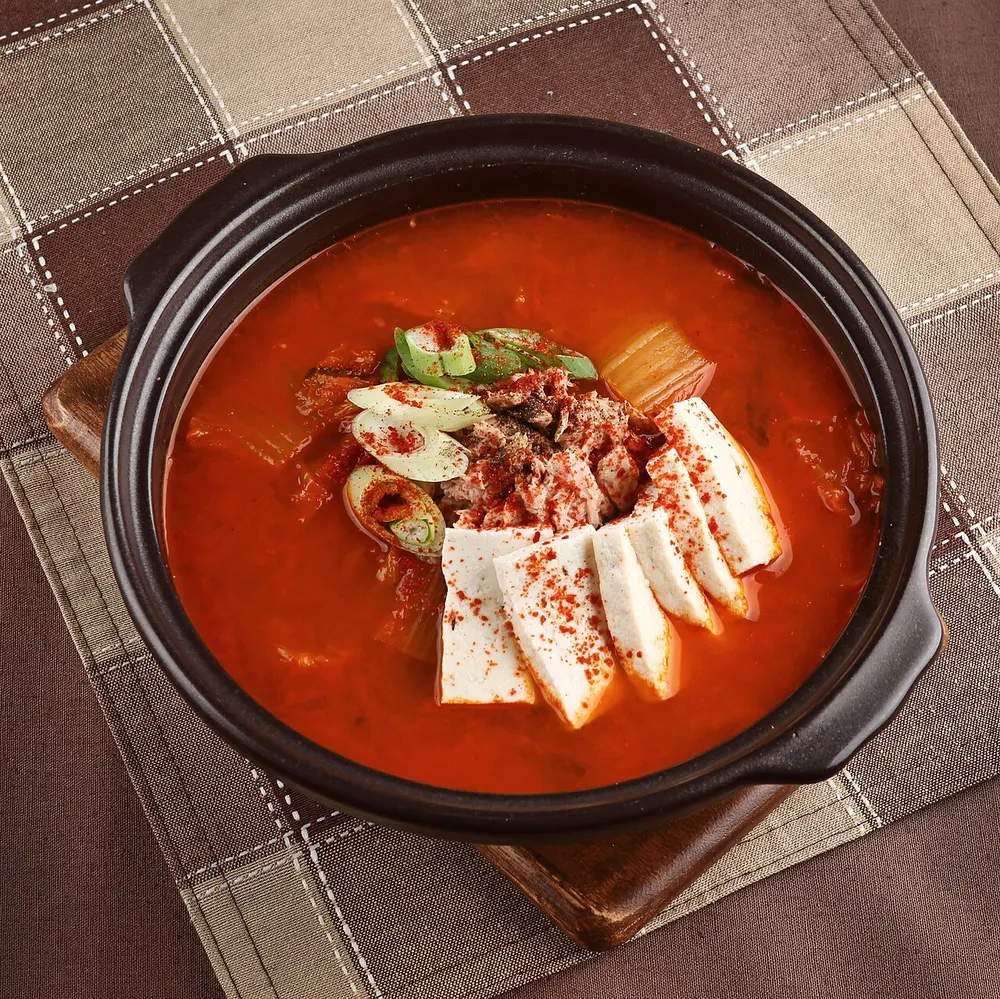
Kimchi Jjigae (Kimchi Stew)
Quelle: Traditionell
30 Min.3420 kcal
Laktosefrei🌶️🌶️
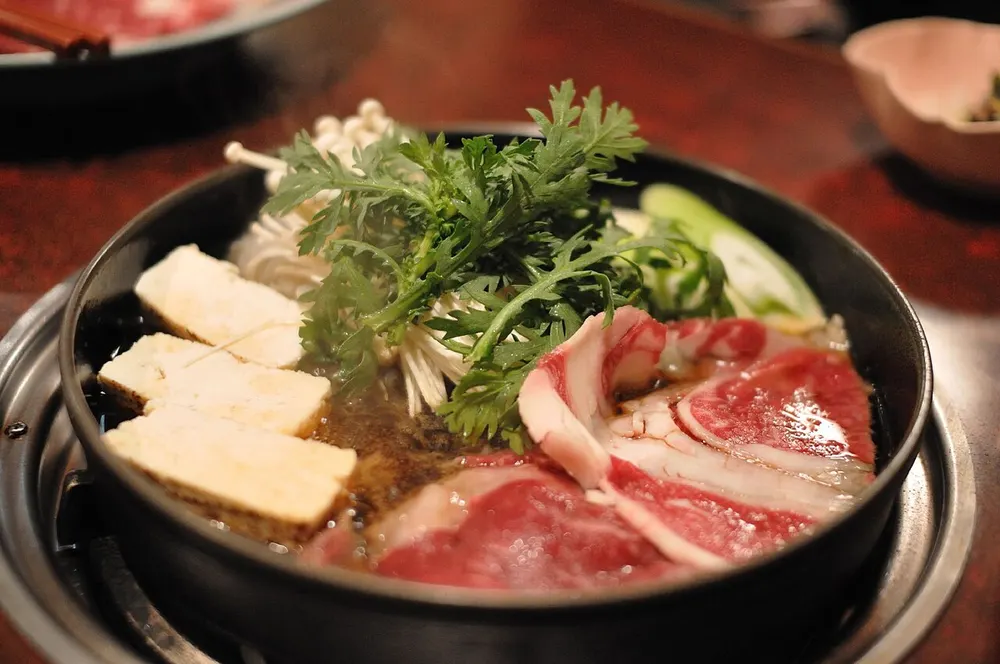
Marbled beef and vegetables simmered at the table in a sweet-savoury soy warishita, each bite dipped in silky raw egg.
Quelle
Rezept von Japanese home kitchens · 🏠 Hausmannskost
Japanese home-style / 日本の家庭料理 — Sukiyaki took shape in the Meiji era, when Japan reopened to foreign trade and beef entered everyday cooking. Kansai and Kanto developed distinct methods — searing first versus simmering in a pre-made sauce — and the two blended after the 1923 Kanto earthquake sent Tokyo cooks westward and back.
Zubereitung im Video · 3 Videos
Stir the warishita ingredients together and set the bowl beside the pot.
Rub beef tallow around a hot cast-iron pot until it films the surface.
Lay in a few slices of beef, splash with warishita, and let them sizzle briefly before eating the first bites straight off the heat.
💡 Searing the first slices Kanto-style gives a deeper, caramelised flavour than boiling them.
Add the vegetables, tofu and shirataki in tidy sections and pour in more warishita to simmer.
Crack an egg into each diner's bowl and beat it lightly; dip the hot cooked pieces to cool and enrich them.
Top up with beef, vegetables and warishita as you go, tightening the sauce with a little dashi if it reduces too far.
Korean
Quelle: Traditionell
Korean
Quelle: Hausmannskost
Korean
Quelle: Hausmannskost
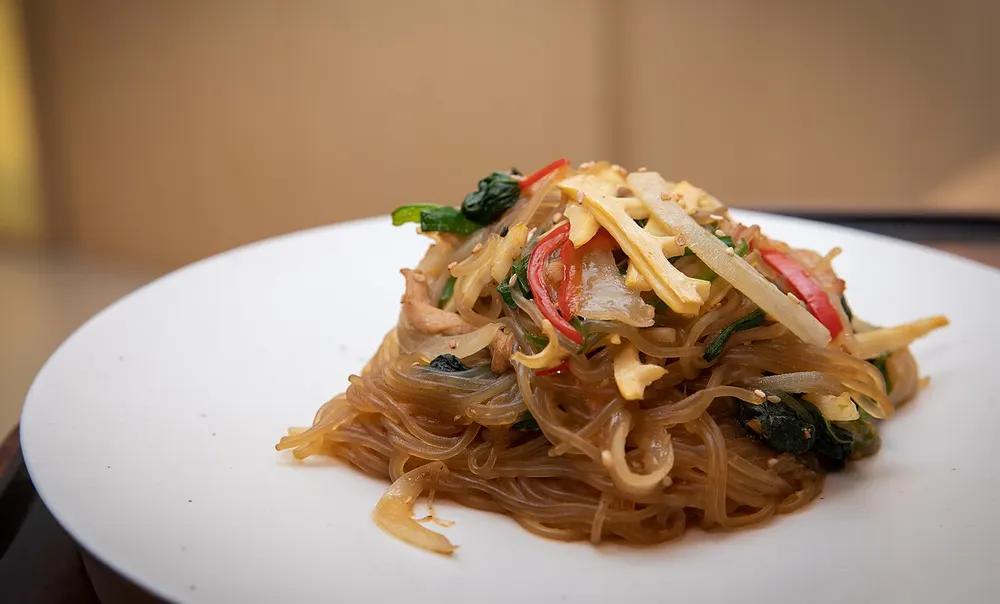
Korean
Quelle: Traditionell
Nachgekocht? Teile ein Foto in der Galerie.
Zeig dein Werk →