Einsteiger
Korean
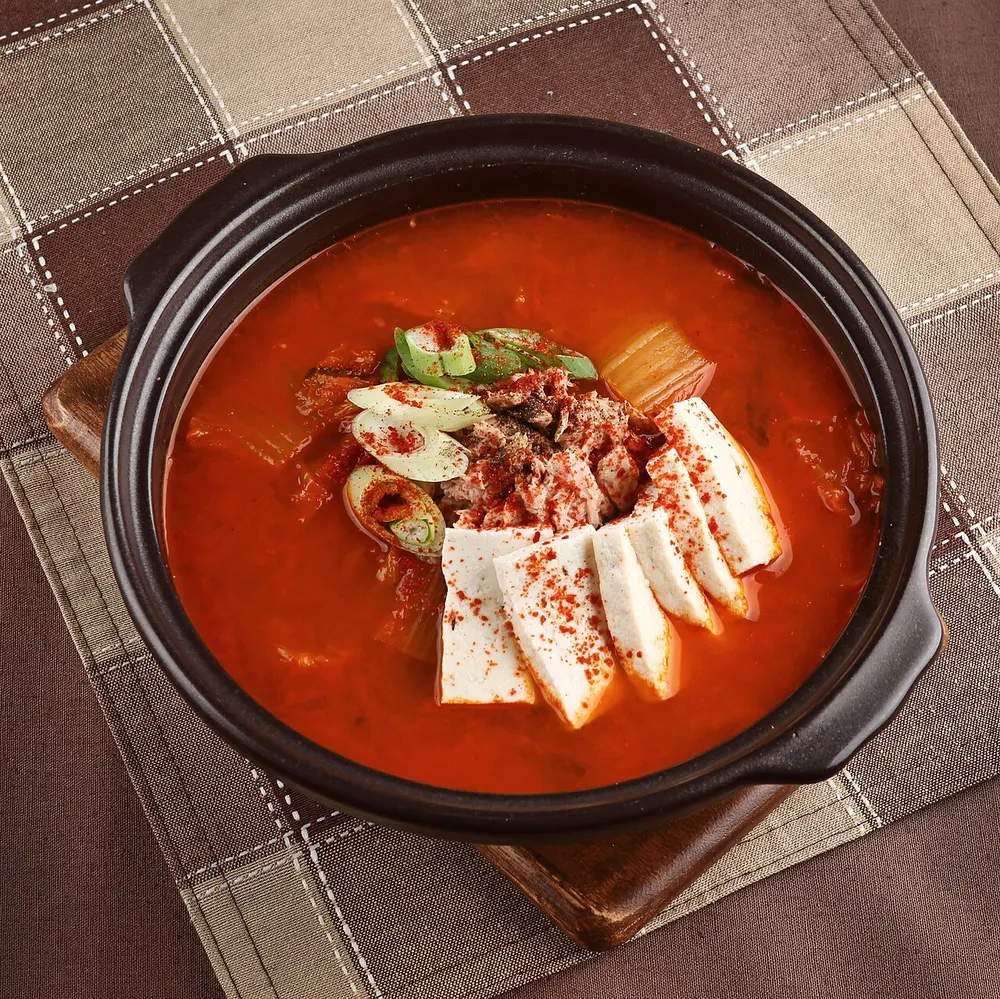
Kimchi Jjigae (Kimchi Stew)
Quelle: Traditionell
30 Min.3420 kcal
Laktosefrei🌶️🌶️
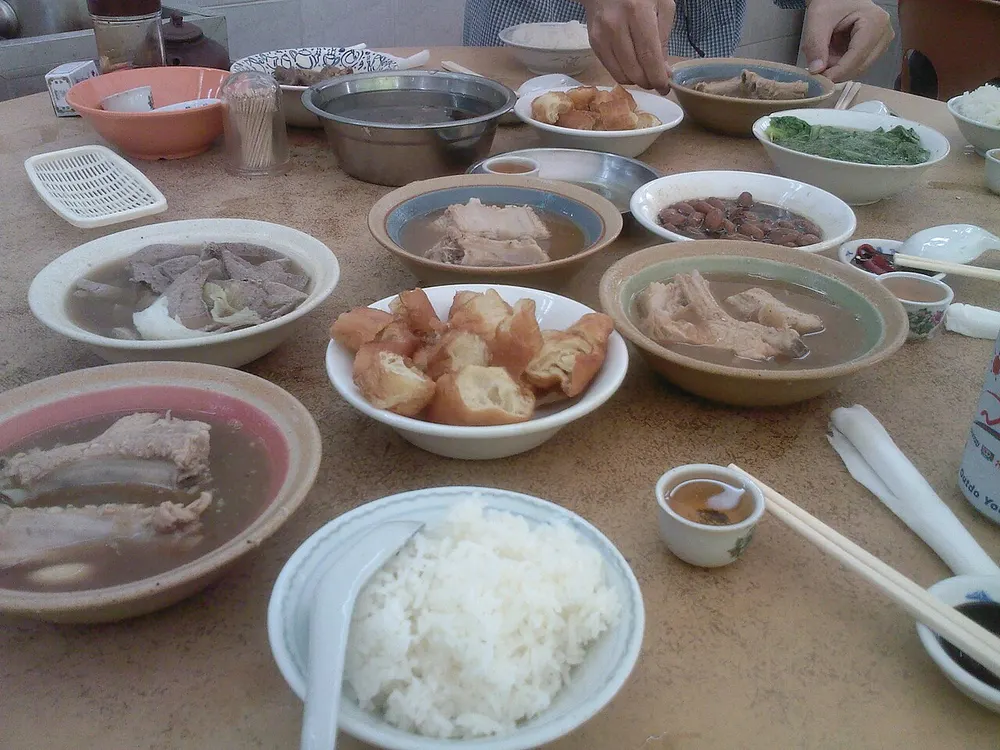
Klang's herbal pork-rib soup: ribs simmered for hours with star anise, cinnamon, cloves, dang gui and whole garlic until the broth is dark, medicinal and deeply savoury. Eaten with rice, youtiao and tea.
Quelle
Rezept von Chinese-Malaysian kitchens · 🏺 Traditionell · Hokkien and Teochew Malaysian cooking, Penang and the Klang Valley
Chinese-Malaysian cooking · Klang — A traditional dish with no single creator. The reference traces its roots to Fujian and records that it is popularly associated with Klang in Malaysia, that it is pork ribs simmered in broth, and that the Hokkien style uses a range of herbs and soy sauce for a darker, more fragrant soup while the Teochew style is lighter but heavier on pepper and garlic. It also confirms star anise, cinnamon, cloves, dang gui, fennel seeds and garlic, and the youtiao, dipping soy and tea served alongside. Quantities are this book's own.
Zubereitung im Video · 3 Videos
Cover the ribs with cold water, bring to the boil and let them bubble for 3 minutes. Grey foam will rise. Drain, rinse each rib under the tap, and wash out the pot.
💡 Skipping this blanch is what makes home bak kut teh cloudy and faintly muddy. Five minutes buys you a clear pot.
Put the clean ribs back with 2.5 litres of fresh water, the whole garlic heads, all the spices and the dang gui. Bring to the boil, then drop to the barest simmer.
Simmer, half-covered, for 2 hours. The surface should shiver, not roll. Top up with hot water if the ribs come uncovered.
💡 A hard boil emulsifies the fat into the broth and turns it milky. Bak kut teh should be clear and dark, so keep the heat down.
Add both soy sauces, the mushrooms, tofu puffs and goji berries. Simmer 30 minutes more. The meat should be starting to leave the bone.
Stir in the white pepper, taste, and adjust with soy rather than salt. Drop the lettuce or enoki in for the last 2 minutes.
Serve in bowls with white rice, cut youtiao, and a saucer of light soy with sliced chilli and minced garlic for dipping the meat.
Korean
Quelle: Traditionell
Korean
Quelle: Hausmannskost
Korean
Quelle: Hausmannskost
Korean
Quelle: Traditionell
Nachgekocht? Teile ein Foto in der Galerie.
Zeig dein Werk →