Người mới
Korean
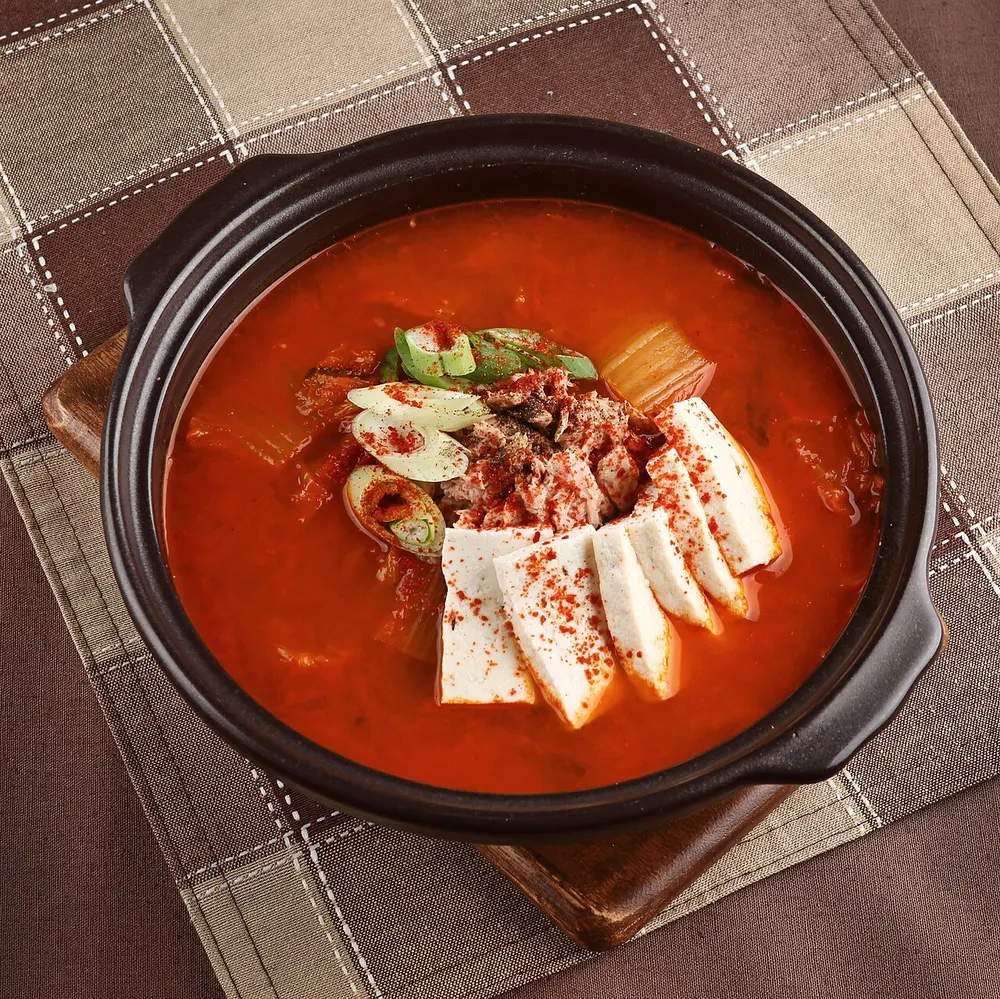
Kimchi Jjigae (Kimchi Stew)
Nguồn: Truyền thống
30 phút3420 kcal
Không sữa🌶️🌶️
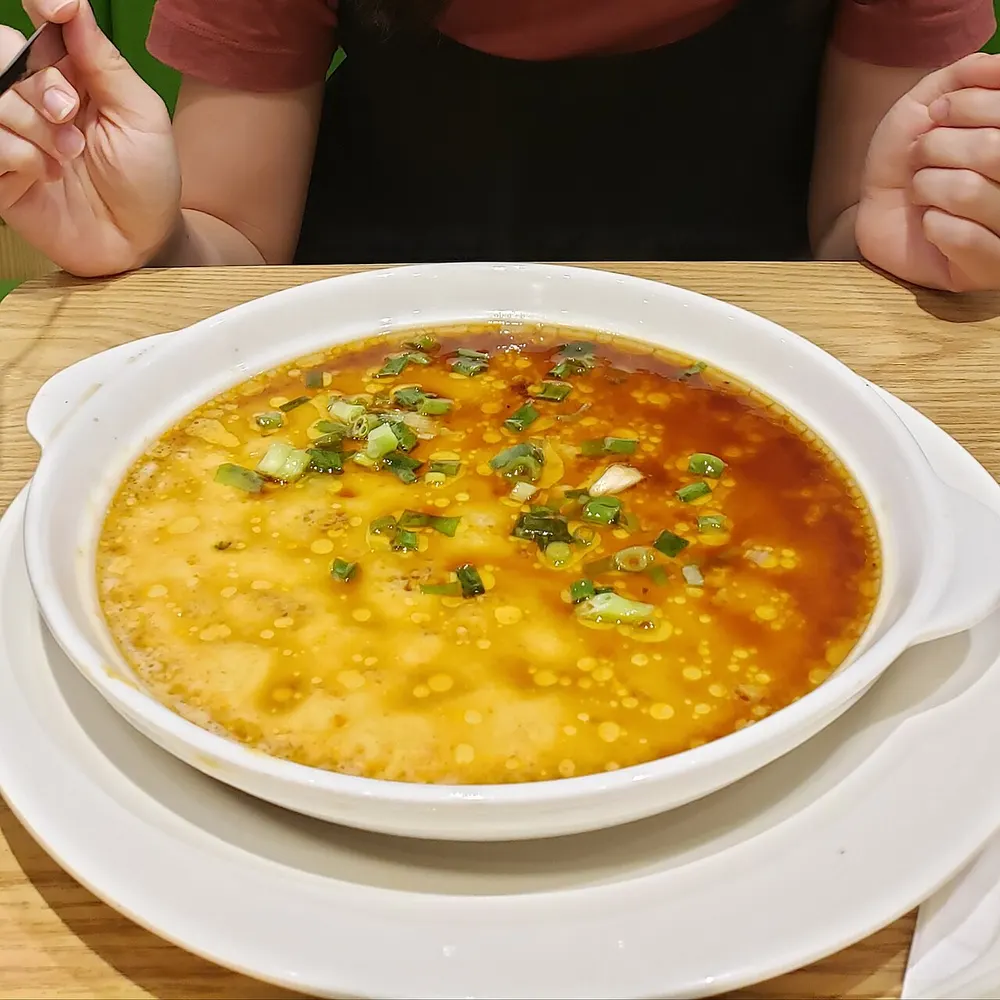
Four eggs, warm water and a steamer — the Cantonese savoury custard Chung Lau says he has made a hundred thousand times. The whole trick is the water: exactly body-temperature, added in two stages, mixed only until it foams.
Nguồn
Công thức của Chung Sun Lau (Daddy Lau) · 👨🍳 Đầu bếp · Cantonese chef of 50+ years; his family publish his recipes in full at Made With Lau
Tên của các đầu bếp và nhà sáng tạo chỉ xuất hiện để ghi nguồn. More Recipes Please hoạt động độc lập, không liên kết, không được họ chứng thực hay tài trợ.
Made With Lau (madewithlau.com) — Published in full, free, on the Lau family's own site as 'The Steamed Eggs My Dad's Made 100,000 Times'. Chung Lau is a Cantonese chef of over 50 years; his son Randy films and writes the recipes up. What sets his version apart is the water discipline: a 2:1 ratio of water to egg, held at 35–45°C, and added in two deliberate stages — a quarter first, mixed until it foams, then the rest — rather than poured in all at once. The amounts, yield and timings above are theirs, taken from the structured recipe data published on the page.
Đầu bếp: Chung Sun Lau (Daddy Lau)
Watch it being made
Chop the 2 stalks of scallion and set them aside — they go on at the very end, for colour and a bit of bite.
Set a steamer rack inside your wok and put your serving bowl on top of it. Pour water into the wok until the bowl sits somewhere between a third and halfway submerged, then take the bowl back out and bring that water to a boil over high heat.
💡 Measure this with the bowl in place before you fill it. Too little water and the wok boils dry in eight minutes; too much and it slops over the rim into your custard.
Crack the 4 eggs into the bowl and add the 0.5 tsp salt, the 0.5 tsp chicken bouillon and the 1 tbsp of oil.
Mix with a fork or a pair of chopsticks until the seasoning is dissolved and the eggs are evenly broken up.
💡 Chopsticks, not a whisk. A whisk beats in air, and air becomes bubbles, and bubbles become the craters that ruin a smooth custard.
Get your 2 cups of water to 35–45°C (95–113°F) — dip a clean finger in and it should feel barely warm, neither hot nor cool.
💡 This is the one number worth being fussy about. Cold water makes the custard take forever and set unevenly; hot water starts scrambling the eggs in the bowl before they ever reach the steamer.
Pour a quarter of that warm water — 0.5 cup (120 ml) — into the eggs and mix until bubbles start foaming at the top.
💡 Splitting the water is not fussiness. A small amount first lets the water actually combine with the egg; dump all two cups in at once and you get water with egg floating in it, which steams into a watery, separated mess.
Pour in the remaining 1.5 cups (360 ml) of warm water and keep mixing until you see bubbles again.
Make sure the water in the wok is at a full boil and the stove is still on high, then lower the bowl of egg mixture onto the rack and cover the wok.
💡 The bowl goes in only once the water is already boiling. Starting it in cool water means the eggs sit half-warm for minutes and set into layers.
Leave the heat on high until the water comes back to a boil under the lid — anywhere from 1 to 4 minutes.
Now drop the heat to a simmer and cook for about 8 minutes.
💡 Turning the heat down is the difference between silk and sponge. A hard boil drives steam through the custard and leaves it pitted with holes — this is the most common way steamed eggs go wrong.
Test it: gently shake the wok. The egg should wobble with a gelatin-like consistency — set, but still soft all the way through.
💡 If the middle still sloshes like liquid, give it another minute or two and check again. Steamed eggs keep firming up in their own heat after they come out, so err on the softer side.
Take the lid off, scatter over the chopped scallion and add a dash of white pepper to taste.
Lift the bowl carefully out of the wok with oven mitts and serve straight away, with rice.
💡 The bowl has been sitting in boiling water for ten minutes and its rim is far hotter than it looks. Mitts, not a tea towel.
Korean
Nguồn: Truyền thống
Korean
Nguồn: Món nhà làm
Korean
Nguồn: Món nhà làm
Korean
Nguồn: Truyền thống
Đã làm món này? Chia sẻ ảnh ở mục Khoe món.
Chia sẻ món bạn làm →