Người mới
Korean
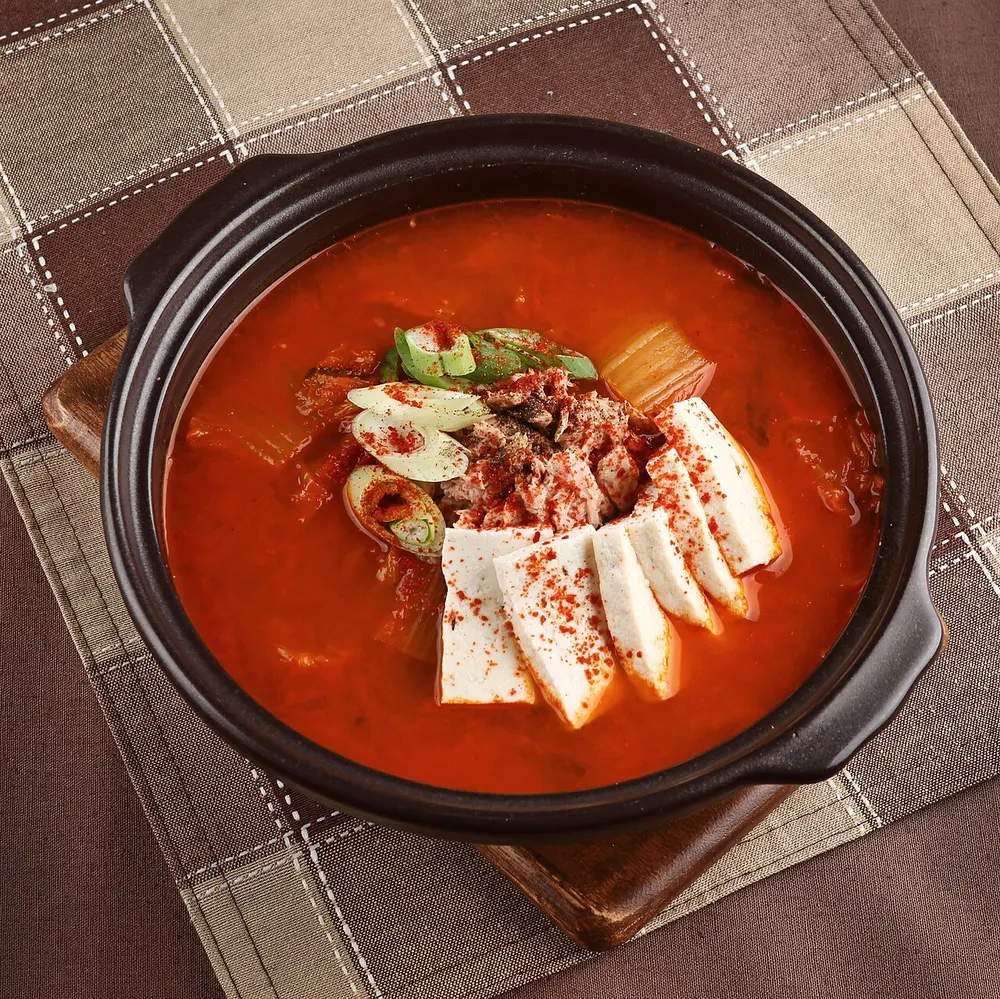
Kimchi Jjigae (Kimchi Stew)
Nguồn: Truyền thống
30 phút3420 kcal
Không sữa🌶️🌶️
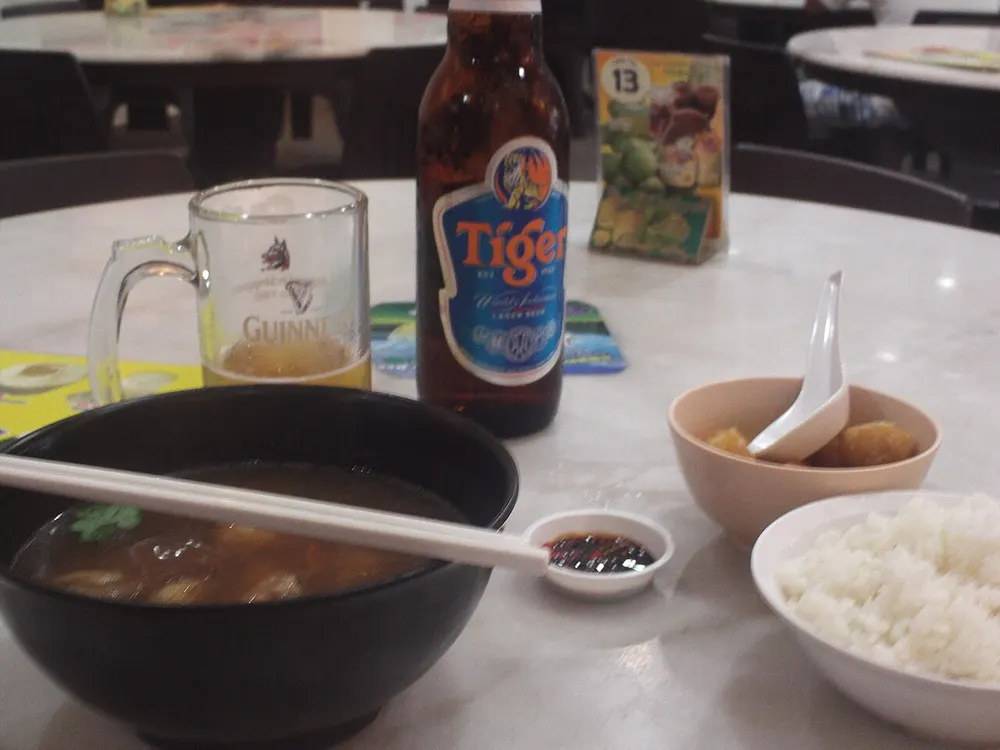
A pale, clear broth of pork ribs simmered with whole heads of garlic and a punishing amount of white pepper — Singapore's Teochew bak kut teh, eaten at breakfast with rice, youtiao and a pot of tea.
Nguồn
Công thức của Chinese-Singaporean hawker stalls · 🏺 Truyền thống · Teochew, Hokkien and Cantonese stall cooking in Singapore's hawker centres and coffee shops
Singapore Teochew style · hawker and coffee-shop dish — An ownerless dish with a disputed origin, so no cook is credited and no country is declared the inventor. The reference records that the origin is unclear and is variously said to have come from Fujian or to have been created by a Chinese physician in the 1930s, and it sets out the split this recipe follows: the Teochew style is 'light in colour but uses more pepper and garlic in the soup', while the Hokkien style 'uses a variety of herbs and soy sauce creating a more fragrant, textured and darker soup'. This entry is the Teochew bowl as eaten in Singapore; the herbal Klang bowl is filed under Malaysia elsewhere in this book. The article also notes the dish contains no tea leaves. Quantities are this book's own.
Watch it being made · 3 videos
Cover the ribs with cold water, bring to the boil and let them bubble hard for 3 minutes. Grey scum will rise. Tip it all out and rinse each rib under the tap.
💡 This one wasteful-looking step is the difference between a clear broth and a cloudy one. Do not skip it.
Toast the peppercorns in a dry pan for 1 minute until they smell sharp, then crack them roughly — a rolling pin or the flat of a knife is fine. Do not grind them to powder.
💡 Cracked pepper releases its heat slowly over two hours. Ground pepper dumps everything in the first ten minutes and then tastes dusty.
Put the rinsed ribs, cracked pepper, halved garlic heads and mushrooms into a clean pot with 2.5 litres of water. Bring to the boil, then drop it to the barest simmer and leave it, lid ajar, for 2 hours.
💡 A rolling boil emulsifies the fat and makes the broth cloudy and heavy. You want the surface barely trembling.
At the 90-minute mark, add the light soy, the teaspoon of dark soy, the rock sugar and the salt. Taste and keep tasting for the last half hour — this is when you decide how hot and how salty your bowl is.
💡 Not peppery enough at the end? Crack another spoonful and give it 10 more minutes. It catches up fast.
Serve each person ribs and broth in a deep bowl, with a bowl of rice, the salted vegetable, warm youtiao and the dipping saucer of dark soy and chilli.
💡 Dunk the youtiao only as you eat it. Left in the bowl it turns to sponge in under a minute.
Korean
Nguồn: Truyền thống
Korean
Nguồn: Món nhà làm
Korean
Nguồn: Món nhà làm
Korean
Nguồn: Truyền thống
Đã làm món này? Chia sẻ ảnh ở mục Khoe món.
Chia sẻ món bạn làm →