Новичок
Korean
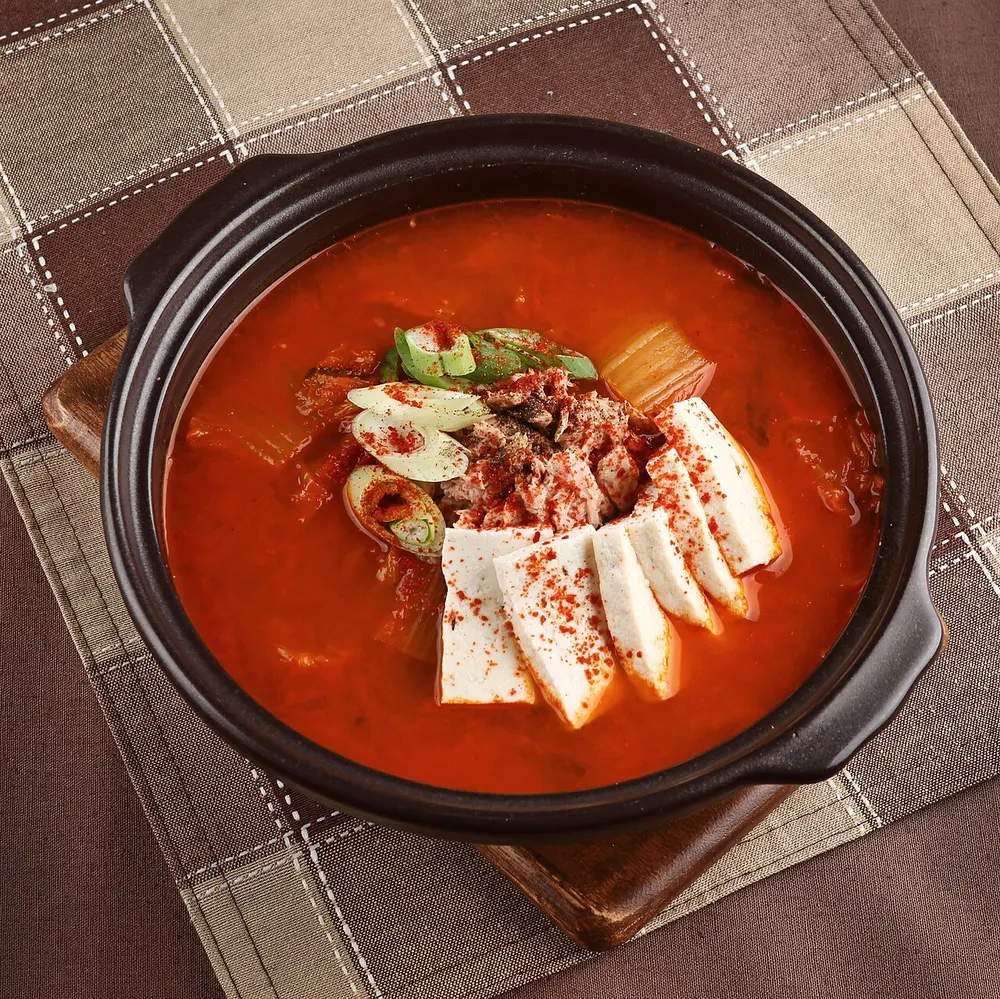
Kimchi Jjigae (Kimchi Stew)
Источник: Традиционное
30 мин3420 ккал
Без молочного🌶️🌶️
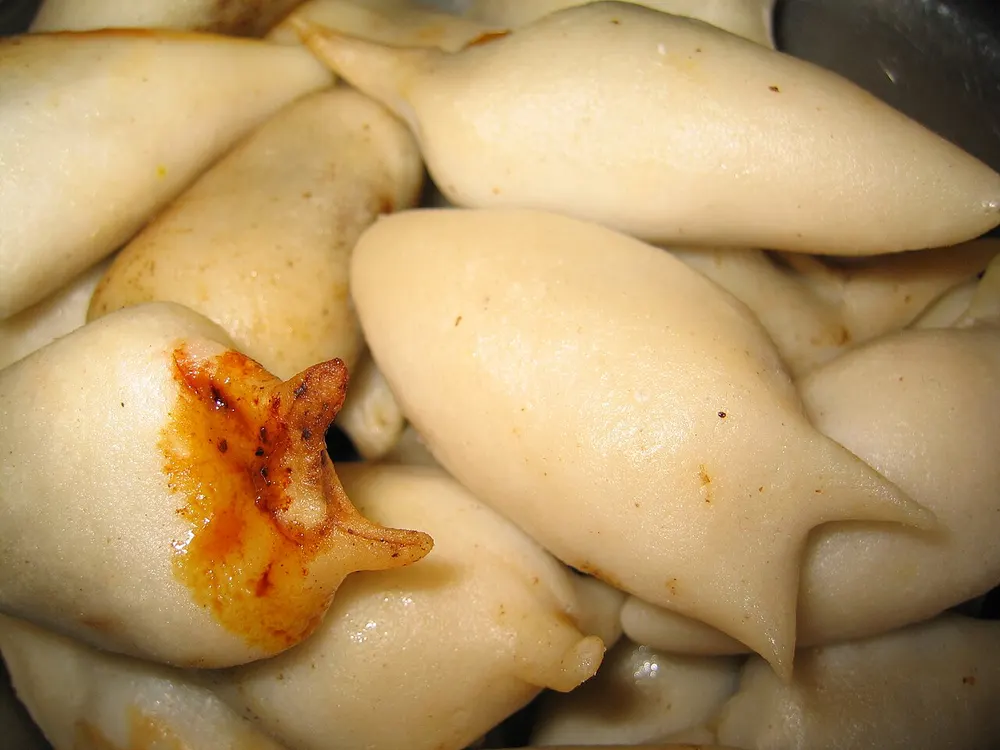
A rice-flour parcel pinched into a fig shape, filled with molten palm molasses and sesame, and steamed — made once a year for Yomari Punhi and worth making twice.
Источник
Автор рецепта Newar kitchens of the Kathmandu Valley · 🏺 Традиционное · The Kathmandu Valley's own cuisine, older than the country's borders — feast food built around rice flour, buffalo and long lists of small dishes.
Newar · Yomari Punhi — An ownerless traditional dish, so no cook is credited. The cited article confirms the Newar origin, the rice-flour shell, the chaku-and-sesame filling and the Yomari Punhi festival. Quantities, the boiling-water dough method and the shaping instructions are this book's own.
Смотри, как это готовят · 3 видео
Pour the boiling water over the rice flour and salt and mix with a spoon until it holds together. Let it cool 5 minutes.
💡 Boiling water, not warm. Rice flour has no gluten — the heat is the only thing that makes the dough hold a shape.
Knead it warm for 5 minutes until it is smooth and does not crack when you press a ball flat. Cover it while you work.
Melt the chaku in a dry pan over low heat, stir in the sesame, coconut and cardamom, and take it off as soon as it comes together. It sets hard as it cools.
Oil your palms. Take a golf-ball of dough, hollow it into a cup with your thumb, spoon in the filling, then pinch the top into a long tapered point.
💡 Seal the tip properly. A yomari that opens in the steamer loses all its chaku and steams into a plain dumpling.
Steam over rolling water for 15 minutes. The outside turns glossy and slightly translucent.
Rest them 5 minutes before eating. The filling comes out of the steamer hot enough to burn.
Korean
Источник: Традиционное
Korean
Источник: Домашняя кухня
Korean
Источник: Домашняя кухня
Korean
Источник: Традиционное
Приготовил? Поделись фото в галерее.
Покажи своё блюдо →