Mudah
Korean
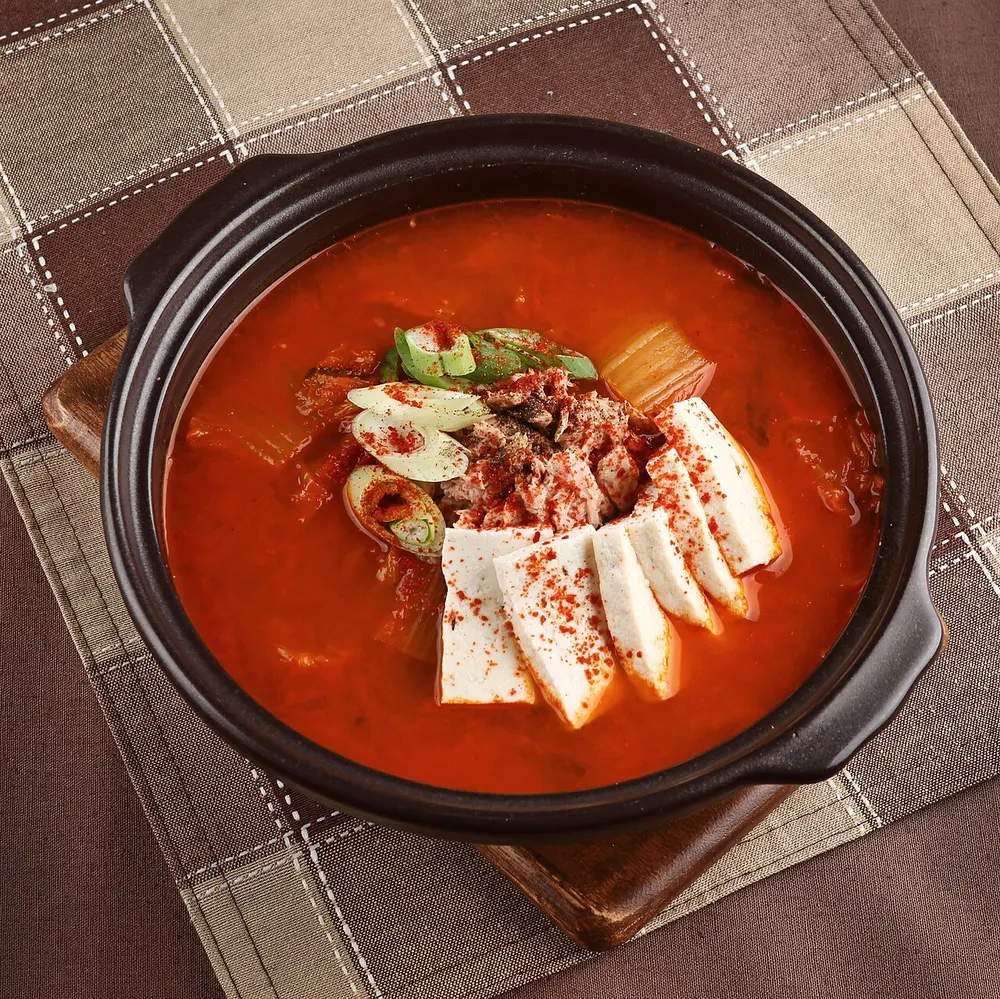
Kimchi Jjigae (Kimchi Stew)
Sumber: Tradisional
30 min3420 kcal
Bebas tenusu🌶️🌶️
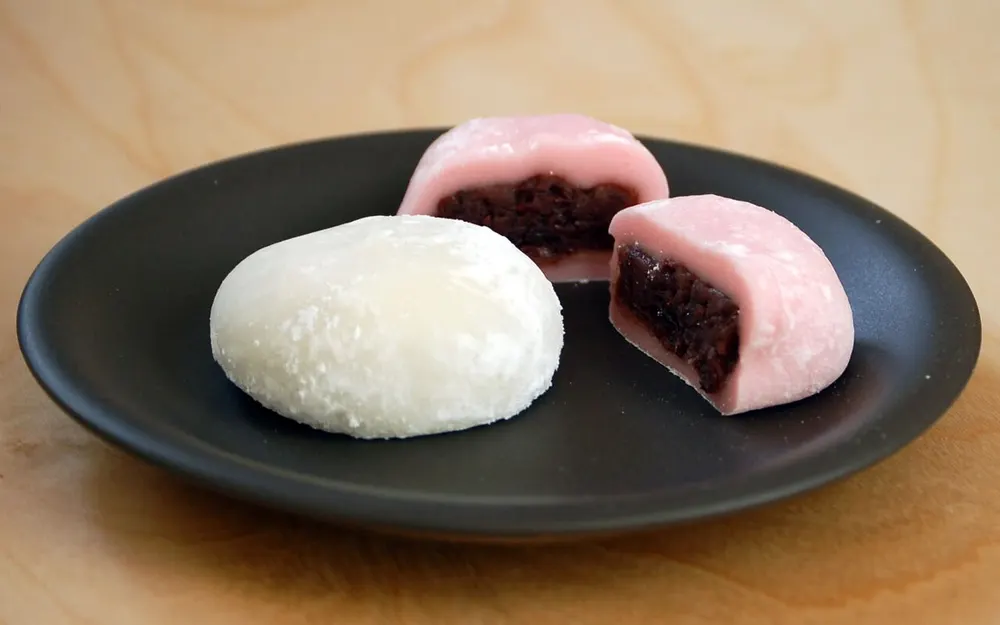
Pillowy rounds of soft mochi dusted in starch and stuffed with sweet red bean paste — a chewy, melt-in-the-mouth classic wagashi.
Sumber
Resipi oleh Japanese confectioners (wagashi) · 🏺 Tradisional
Japanese wagashi / 和菓子 — Daifuku dates to the Edo period, when it was first known as harabuto ('fat belly') or uzura mochi. The name later shifted to daifuku, 'great luck', playing on the identical sound of the words for 'belly' and 'luck'; by the late 18th century it was a popular, sometimes toasted, everyday sweet.
Tonton cara membuatnya · 3 video
Roll the red bean paste into eight even balls and set them aside so filling is ready before the mochi cools.
Whisk the rice flour, sugar and water in a heatproof bowl until smooth with no lumps.
Steam or microwave in short bursts, stirring between each, until the dough turns glossy, sticky and translucent.
💡 Cook in stages and stir each time; even heating is what keeps the mochi smooth.
Turn the hot mochi onto a surface generously dusted with starch and divide it into eight pieces.
Flatten each piece into a disc, place a ball of paste in the centre, and pull the edges up to enclose it.
Pinch the seam closed, turn the smooth side up, and brush off excess starch. Best eaten the same day.
Korean
Sumber: Tradisional
Korean
Sumber: Masakan rumah
Korean
Sumber: Masakan rumah
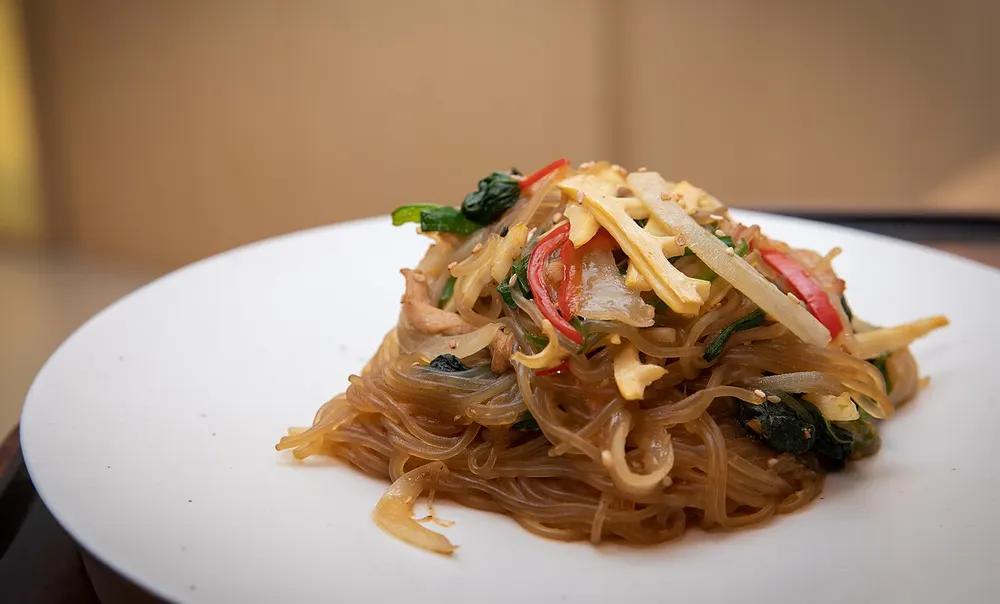
Korean
Sumber: Tradisional
Sudah cuba? Kongsi gambar di Pameran.
Kongsi hasil anda →