初級
Turkish
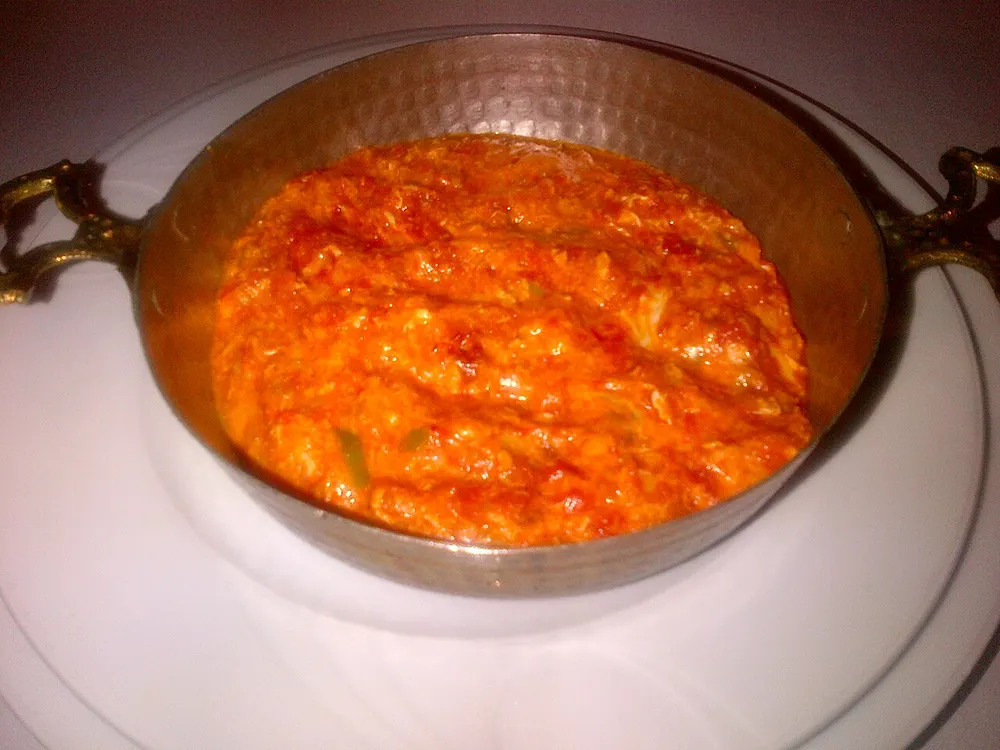
Menemen (Turkish Scrambled Eggs)
出典: 家庭料理
20 分2260 kcal
ベジタリアングルテンフリーハラール🌶️
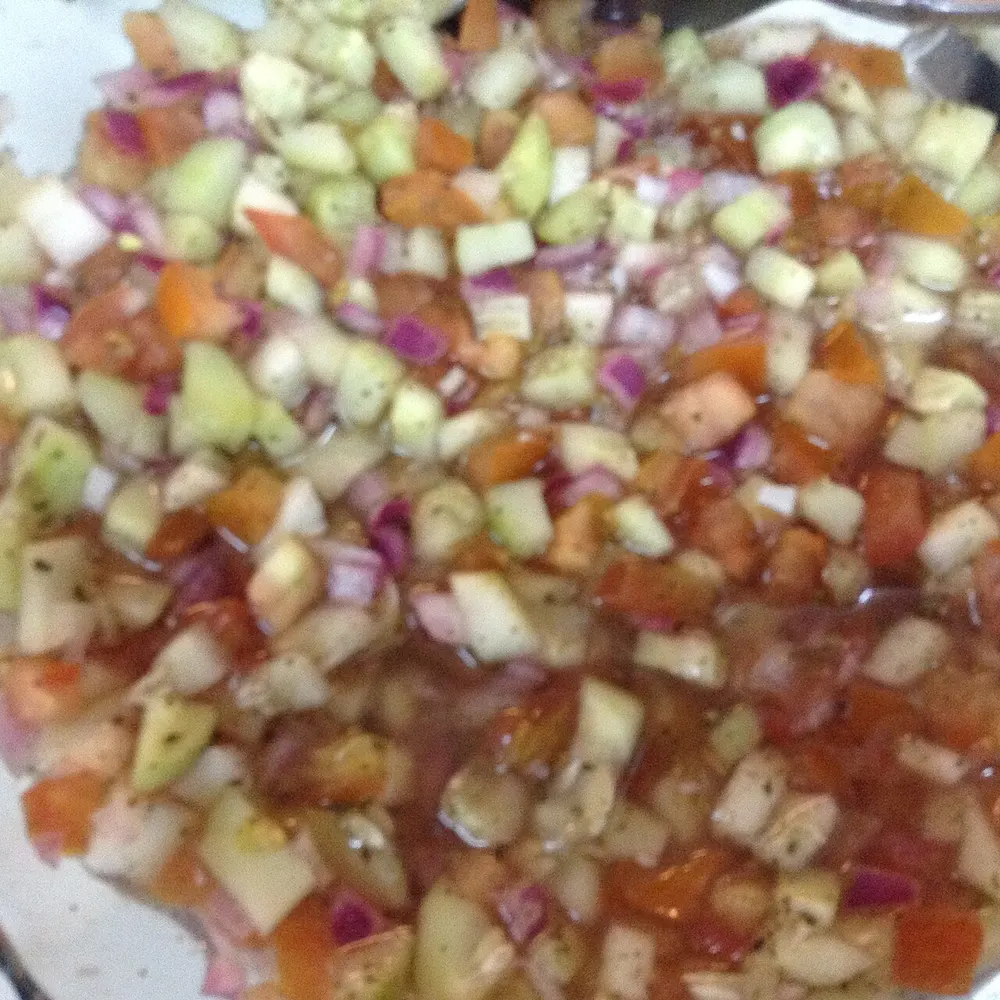
The fresh, sharp counterpoint to every rich Persian plate: cucumber, tomato and onion diced tiny and even, tossed at the last minute with lime juice, olive oil and a lot of mint. From Shiraz, and eaten all summer long across Iran.
出典
レシピ提供 Persian home kitchens · 🏺 伝統 · Everyday and festive cooking of Iranian households — the shared repertoire behind sofreh (the spread) that no single person owns
Shiraz (southern Iran) · regional dish — An ownerless regional dish, so no cook is credited. The cited article describes Shirazi salad as a Persian salad that originated from and is named after Shiraz in southern Iran, a relatively modern dish dating to after the tomato reached Iran in the late nineteenth century, with primary ingredients of cucumber, tomato, onion, olive oil, herbal spices and verjuice (lime juice sometimes used instead), eaten in summer as a side and year-round alongside meat dishes such as Persian kabob — all of which is reflected here. Quantities and method are this book's own.
Watch it being made
Dice the cucumber, tomato and onion into small, even cubes about the size of a corn kernel. The evenness matters more than the exact size — it is what makes each spoonful balanced.
💡 Take your time on the knife work — a Shirazi salad chopped fine and even eats completely differently from the same ingredients in rough chunks.
Put the diced vegetables in a bowl with the fresh and dried mint. Keep this in the fridge if you are not serving straight away.
Whisk the lime juice, olive oil, salt and pepper together, but do not add the dressing yet.
Pour the dressing over and toss only in the final few minutes before serving. Taste and add more lime or salt, then serve cold.
💡 Dress it too early and the salt and acid pull water out of the tomato and cucumber, leaving a soggy salad in a puddle. Last-minute is the rule.
作ってみましたか?写真を「作ってみた」に投稿してください。
あなたの作品をシェア →