Principiante
Korean
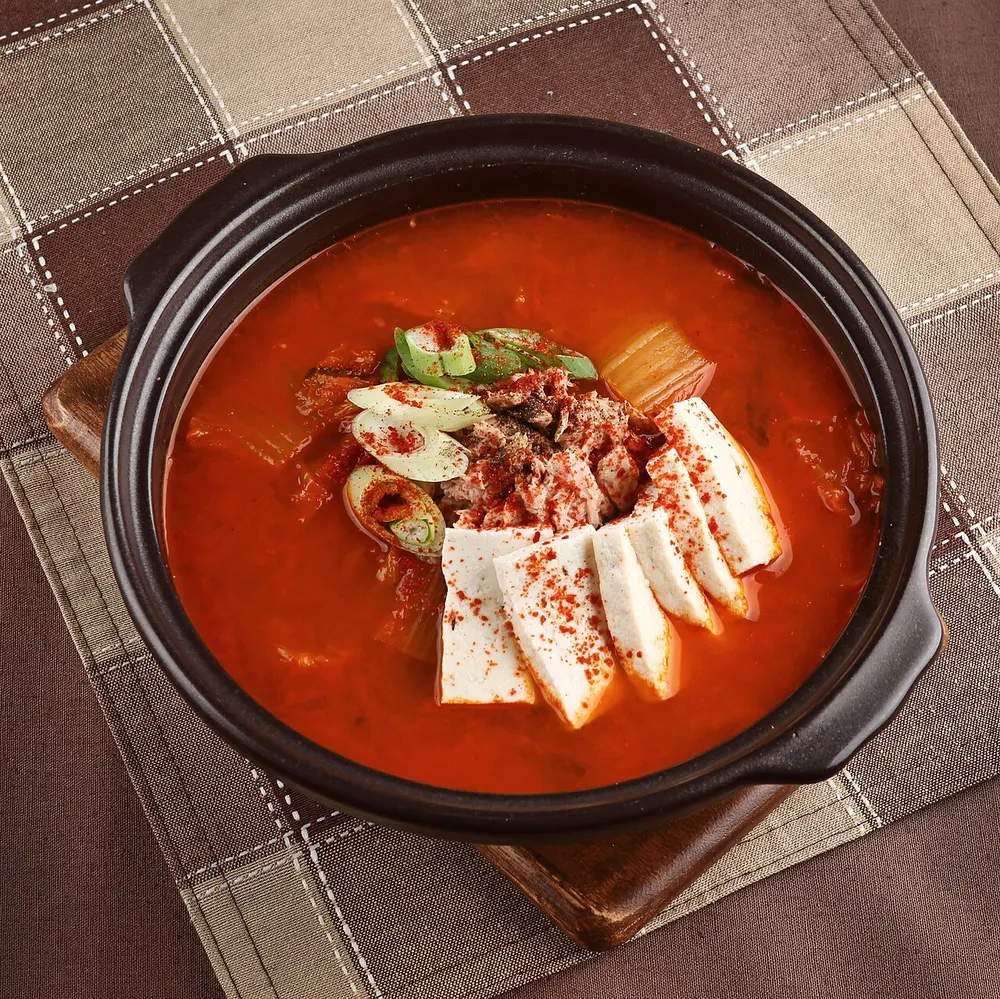
Kimchi Jjigae (Kimchi Stew)
Fonte: Tradizionale
30 min3420 kcal
Senza latticini🌶️🌶️
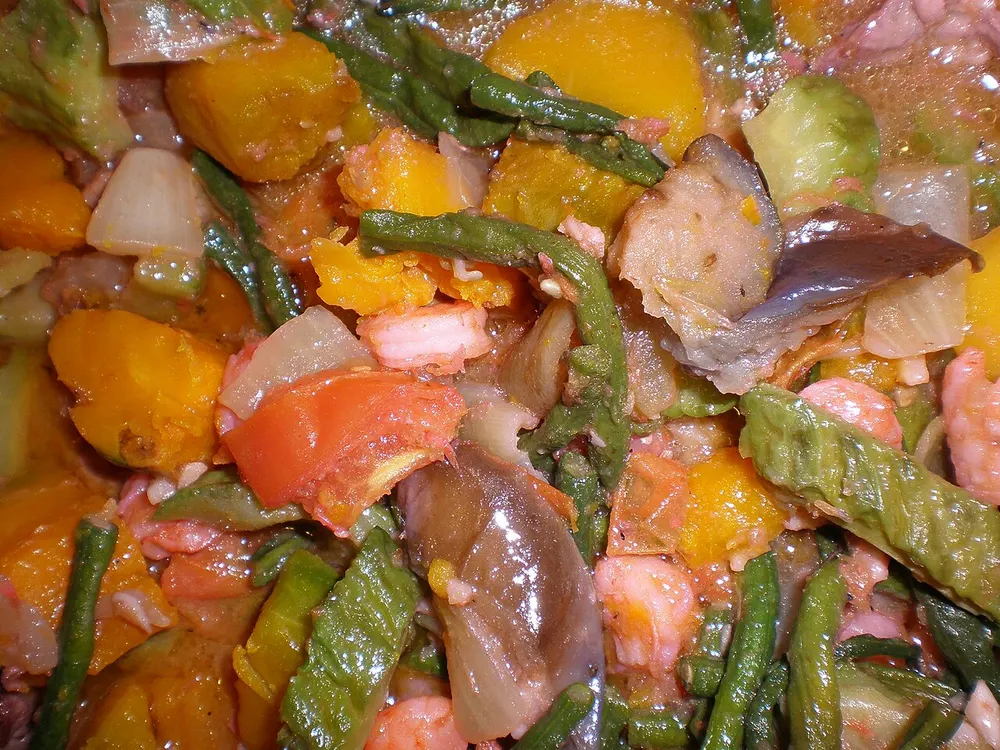
A whole pot of vegetables cooked in almost nothing but fermented fish sauce and their own liquid — no oil, no stock, no browning. Layered hardest-first and left alone until everything shrinks down, which is exactly what the name describes.
Fonte
Ricetta di Vanjo Merano · 📱 Influencer · Vanjo Merano — Filipino food writer behind Panlasang Pinoy, the largest Filipino recipe site
I nomi di cuochi e creator compaiono solo come indicazione della fonte. More Recipes Please è indipendente e non è affiliata, approvata né sponsorizzata da loro.
Panlasang Pinoy (Vanjo Merano) — Vanjo Merano's published Ilocano version. The name comes from Ilocano 'pinakebbet', from 'kebbet' meaning shrivelled — a literal description of what the vegetables do in the pot. Calories are omitted: the source's 58 kcal figure plainly does not account for the 450 g of pork in the same recipe.
Cuoco: Vanjo Merano
Watch it being made · 3 videos
Bring the water to a boil in a wide, heavy pan.
Stir in the bagoong and bring it back to a boil.
💡 Boiling the bagoong first mellows it considerably. Straight from the jar it is fiercely pungent; two minutes at a boil turns that into deep savouriness.
Layer the vegetables in, hardest first: sweet potato, then okra, bitter melon, eggplant, string beans, and finally the tomato and onion on top. Simmer for 15 minutes.
💡 Layer, do not stir. The vegetables at the bottom sit in the liquid and boil; the ones on top steam. That is the whole design, and stirring collapses it into a single mush.
Add the bagnet and simmer for 5 minutes more.
Give the pot one gentle turn to combine, and serve hot with steamed rice.
💡 One turn at the end, not throughout. By then the vegetables are tender enough that a single fold distributes the sauce without destroying their shape.
Korean
Fonte: Tradizionale

Korean
Fonte: Cucina casalinga
Korean
Fonte: Cucina casalinga
Korean
Fonte: Tradizionale
L'hai preparato? Condividi una foto in Vetrina.
Condividi la tua creazione →