Foto in arrivo
Principiante
French
Classic French Omelette
Fonte: Chef
10 min1300 kcal
VegetarianoSenza glutinePochi carboidrati+1
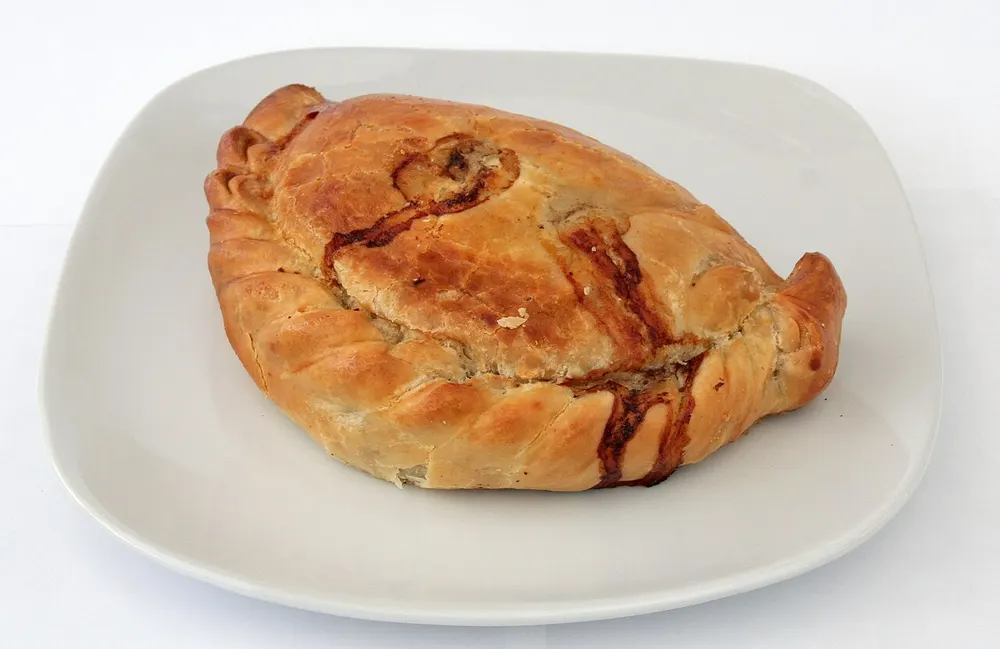
A D-shaped pastry pocket crimped along one side, filled with raw diced beef skirt, potato, swede and onion that steam together inside as it bakes. Cornwall's tin miners carried them down the shafts for lunch; they now have protected status.
Fonte
Ricetta di English home & pub kitchens · 🏺 Tradizionale · Everyday English cooking — the food of home kitchens, cafés and pubs rather than any one chef
Cornwall (England) · protected regional dish — An ownerless regional dish, so no cook is credited. 'Cornish pasty' redirects to the cited 'Pasty' article, which is what is stored here. It records the EU Protected Geographical Indication granted in 2011 (only pasties made in Cornwall may use the name), the traditional filling of beef (typically skirt steak), potato, swede and onion added raw with light peppery seasoning, the D-shape crimped on one side rather than the top, and the dish's history as a portable, hand-held meal for Cornish tin miners. Quantities and method here are this book's own.
Watch it being made · 3 videos
Make the pastry: rub the cold butter into the flour and a good pinch of salt until it looks like breadcrumbs, then stir in just enough cold water to bring it into a firm dough. Wrap it and chill for 30 minutes.
💡 Keep everything cold and handle it as little as possible. Warm hands melt the butter and the pastry turns greasy and hard instead of short.
Mix the filling: toss the diced beef, potato, swede and onion together with plenty of salt and white pepper. Everything goes in raw — this is what gives a real pasty its chunky bite.
Divide the pastry into four and roll each piece into a circle about the size of a side plate. Pile a quarter of the filling onto one half of each circle, leaving a clear border, and dot with butter.
Brush the border with beaten egg, fold the empty half over the filling to make a half-moon, and press the edges together. Crimp the join by folding the edge over itself in a rope pattern along the curved side.
💡 The genuine Cornish pasty is crimped on the SIDE, not sealed across the top — the seam sat along the top edge so miners could hold the pasty by a thick crust and eat the rest with dirty hands. A firm crimp also stops the filling leaking.
Brush all over with the rest of the egg, cut a small slit in the top of each to let steam escape, and bake at 200°C for 15 minutes, then turn down to 170°C and bake for 40 minutes more, until deep golden.
💡 The two-stage heat sets the pastry fast, then gives the raw filling time to steam-cook through without burning the crust. A pasty that looks done at 25 minutes still has raw potato inside.
Let them cool for at least 10 minutes before eating — the filling is fiercely hot straight from the oven, and a pasty is meant to be eaten warm in the hand.
French
Fonte: Chef
French
Fonte: Tradizionale
French
Fonte: Chef
Italian
Fonte: Cucina casalinga
L'hai preparato? Condividi una foto in Vetrina.
Condividi la tua creazione →