Pemula
Korean
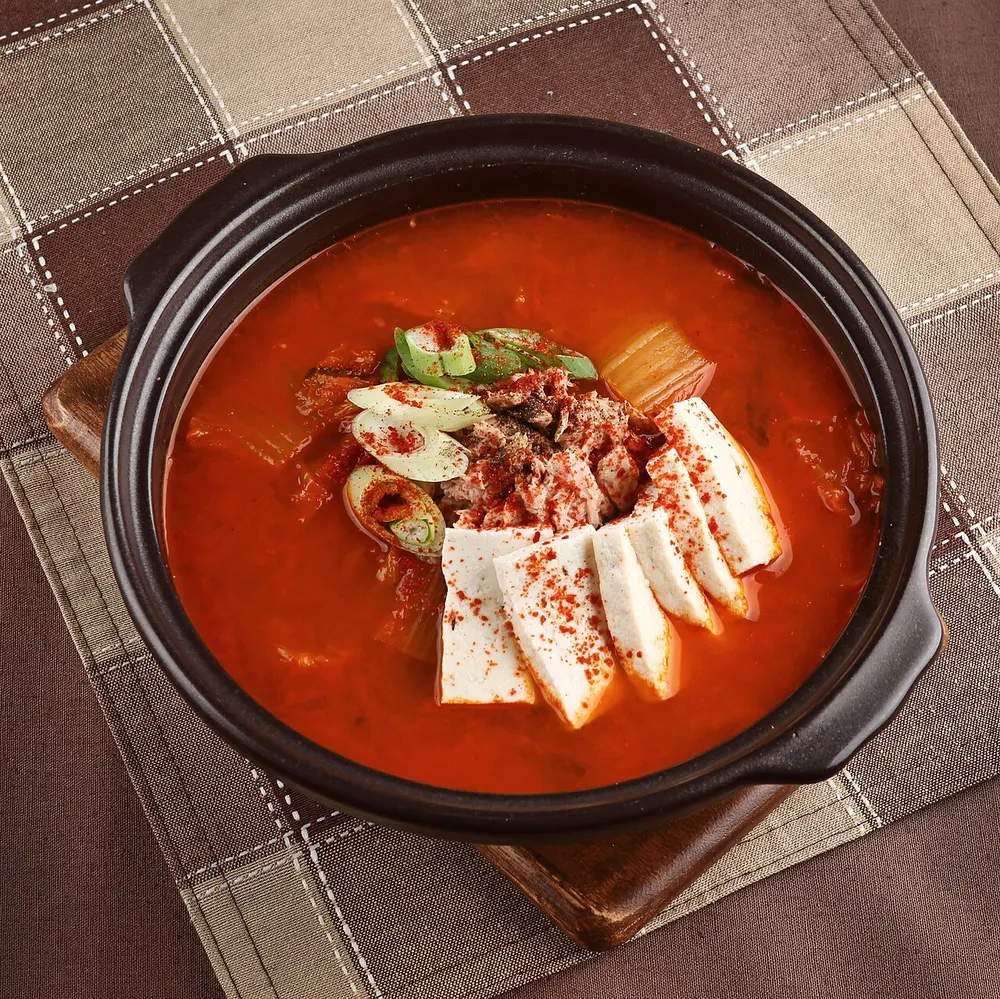
Kimchi Jjigae (Kimchi Stew)
Sumber: Tradisional
30 mnt3420 kkal
Bebas susu🌶️🌶️
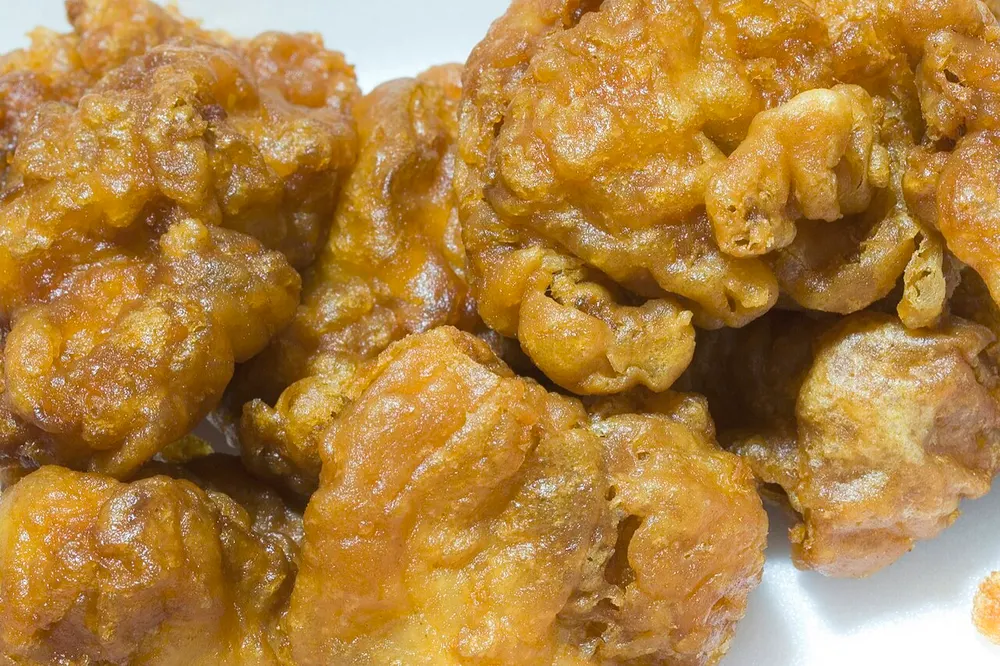
The most-watched karaage on Japanese YouTube: one thigh, a soy-mirin-sake marinade, five shakes of nutmeg, potato starch, one fry. No egg, no flour, no double-frying.
Sumber
Resep oleh リュウジ · 📱 Influencer · Ryuji — cooking researcher (料理研究家) and YouTuber behind 料理研究家リュウジのバズレシピ, Japan's biggest cooking channel at ~5.6M subscribers. Known for fast, exactly-measured home recipes.
Nama juru masak dan kreator hanya dicantumkan sebagai kredit sumber. More Recipes Please independen dan tidak berafiliasi, tidak didukung, serta tidak disponsori oleh mereka.
Ryuji (バズレシピ) — Published by リュウジ on his own YouTube channel as 【至高の唐揚げ】; at ~14 million views it is the most-watched video on the channel and one of the most-watched karaage recipes in Japan. Both the full ingredient list and his method are printed as text in the video description, which is where every quantity here comes from. What makes his version distinctive: no egg and no flour — potato starch alone — a short 20–30 minute room-temperature marinade instead of a long cold one, five shakes of nutmeg, and a single fry at medium heat with the chicken only half-submerged, rather than the double-fry most karaage recipes insist on.
Koki: リュウジ
Watch it being made · 3 videos
Cut the chicken thigh into bite-size pieces, roughly 4 cm. Leave the skin attached to each piece.
💡 Cut with the skin facing down and press with your free hand — skin is slippery and rolls away from a blade that comes at it from above.
Grate the garlic clove straight into a bowl.
Add the soy sauce (a generous 大さじ3 / 45 ml+), mirin 大さじ1, sake 大さじ1, 8 shakes of Aji-no-moto and 5 shakes of nutmeg. Stir until the marinade looks even.
💡 Measure the nutmeg over the bowl, not the pot — it clumps, and a stray extra shake is the one thing that can push this from 'warm' to 'perfumed'.
Tip in the chicken and mix by hand until every piece is slick with marinade.
Leave it 20–30 minutes at room temperature — not in the fridge.
💡 He specifies 常温 (room temperature) on purpose: fridge-cold chicken drops the oil temperature the moment it goes in, and cold meat cooks unevenly. In a hot kitchen, 20 minutes is plenty.
Pour oil into a pot to the depth where the chicken pieces will sit half-submerged, and set it over medium heat to reach 中温 — a medium frying temperature, about 170°C.
💡 No thermometer? Drop in a pinch of the potato starch: at 170°C it sinks briefly, then rises in a steady stream of small bubbles. If it sits on the bottom, wait; if it fizzes violently on contact, the oil is too hot.
While the oil heats, lift each piece out of the marinade, let the excess drip off for a second, and roll it in potato starch until dry to the touch.
💡 Coat right before frying, not in advance. Potato starch left sitting on wet chicken turns into a wet paste and slides off in the oil.
Lower the pieces in one by one, skin-side down, without crowding — leave a finger's gap around each. Fry in two batches if your pot is small.
💡 Crowding is the classic beginner mistake here: every piece you add cools the oil, and below about 160°C the coating drinks oil instead of crisping. Two calm batches beat one greasy one.
Fry undisturbed for about 3 minutes, until the underside is set and pale gold and the bubbling is loud and steady.
Turn each piece and fry another 3–4 minutes, until deep golden and crisp. The bubbles get smaller and quieter as the moisture leaves — that sound change is your doneness cue.
💡 Because the chicken is only half-submerged, turning is not optional — it is how the top half cooks at all.
Lift the pieces onto a rack or a folded paper towel and let them drain 2 minutes.
💡 A rack beats a plate: on a flat plate the trapped steam softens the bottom crust within a minute.
Pile them up while they are still hot, add a wedge of lemon, and eat immediately.
Korean
Sumber: Tradisional
Korean
Sumber: Masakan rumahan
Korean
Sumber: Masakan rumahan
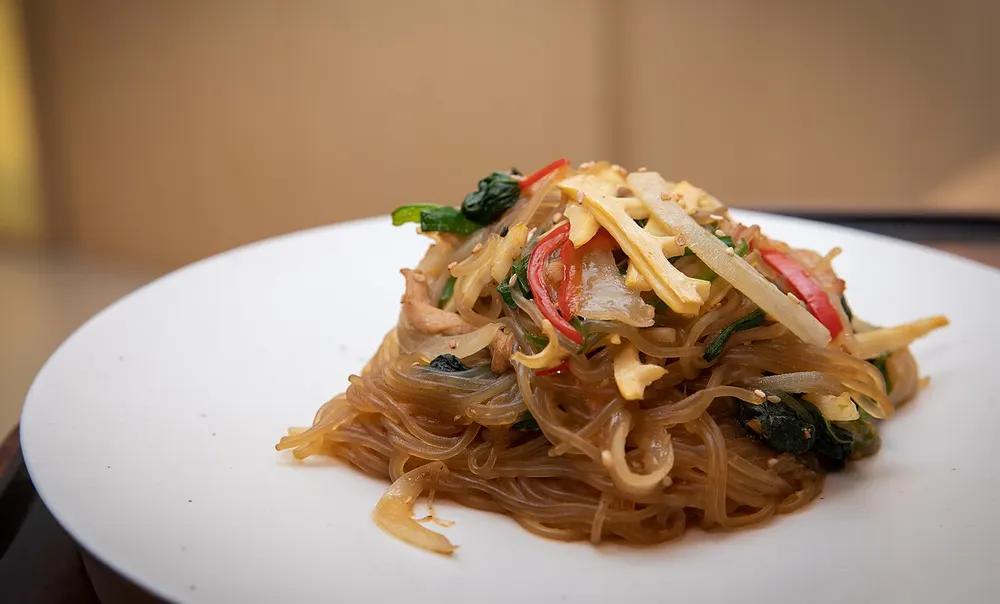
Korean
Sumber: Tradisional
Sudah coba bikin? Bagikan fotonya di Etalase.
Bagikan hasil masakanmu →