Pemula
Korean
Kimchi Jjigae (Kimchi Stew)
Sumber: Tradisional
30 mnt3420 kkal
Bebas susu🌶️🌶️
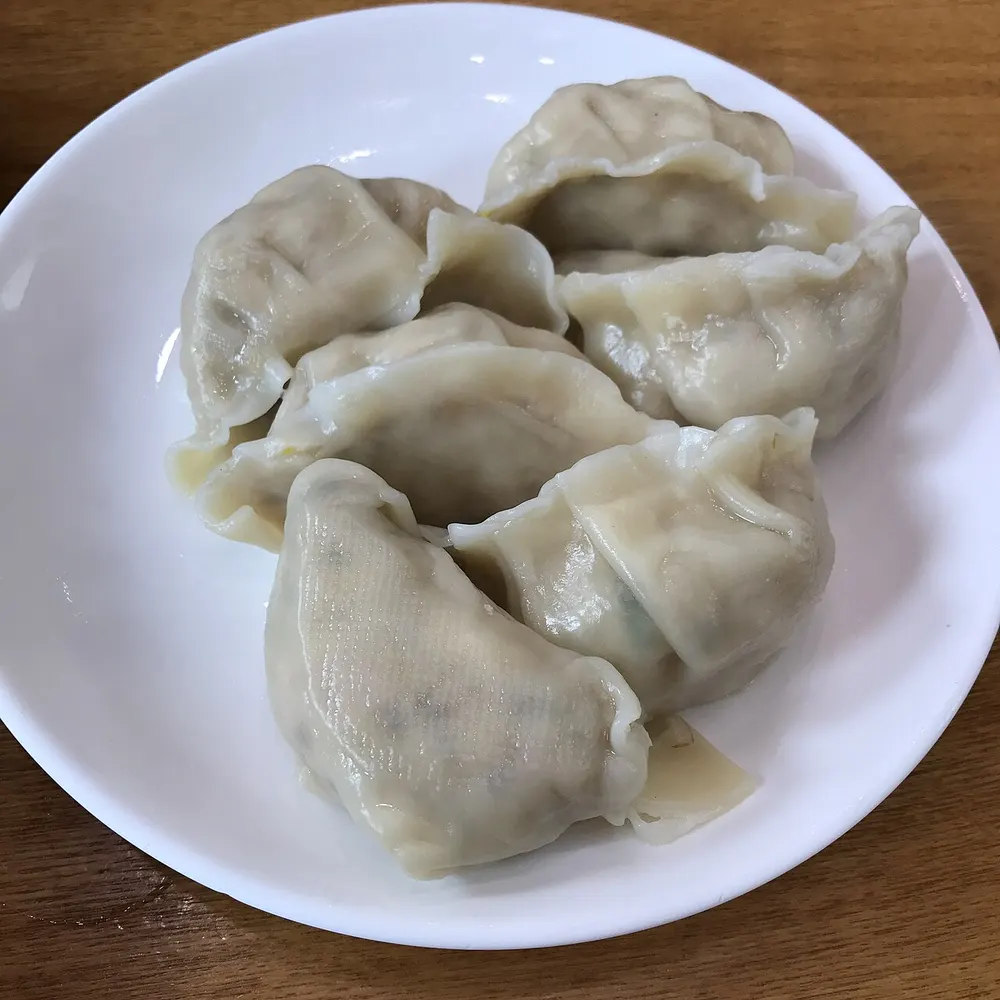
Eighty dumplings in one afternoon, built on a filling where every wet thing — tofu, zucchini, bean sprouts — gets squeezed dry before it goes in. Freeze them and you have fried, steamed or soup mandu on tap for months.
Sumber
Resep oleh Maangchi (Emily Kim) · 📱 Influencer · Korean-born American cooking YouTuber and author, called "YouTube's Korean Julia Child" by The New York Times
Nama juru masak dan kreator hanya dicantumkan sebagai kredit sumber. More Recipes Please independen dan tidak berafiliasi, tidak didukung, serta tidak disponsori oleh mereka.
Maangchi's own recipe post / 망치가 직접 올린 레시피 — One of the first recipes Maangchi filmed when she started on YouTube, remade and updated in January 2023 — she writes that she refreshed it as a recipe that helps families eat well through inflation. Distinctive: a pork-and-tofu filling in which the tofu, zucchini, onion and bean sprouts are each squeezed dry before mixing, and a batch size (80) built around freezing.
Koki: Maangchi (Emily Kim)
Watch it being made · 3 videos
Put the ground pork into a large skillet over medium-high heat and stir it with a wooden spoon for 1 minute, breaking up the clumps.
Add the garlic, ginger, soy sauce and the teaspoon of pepper one at a time, and keep stirring for another 3 to 4 minutes until no pink is left anywhere.
Take the pan off the heat, stir 1 teaspoon of the sesame oil through the pork, and tip it into a large bowl — this bowl is now your filling bowl and everything else joins it here.
In a separate bowl, mix the zucchini and onion with the teaspoon of kosher salt and leave them alone for 10 minutes. Water will bead up and pool at the bottom.
💡 The salt is not seasoning here, it is a tool — it pulls the water out of the vegetables so it cannot burst your dumplings later.
Bring a large pot of water to the boil over medium-high heat and cook the dangmyeon for 7 to 8 minutes, until soft with no chalky core.
Strain the noodles but keep the hot water in the pot — you need it again in a minute. Rinse the noodles under cold running water and drain them well.
Chop the noodles into short pieces and add them to the filling bowl along with the chopped buchu.
💡 Chop them properly short. Long strands make the filling impossible to spoon and tear the skins as you fold.
Bring that reserved water back to the boil and blanch the bean sprouts for exactly 1 minute, then drain, rinse cold, and squeeze the water out of them in your fists before they join the bowl.
Heat the teaspoon of cooking oil in the skillet. Squeeze the zucchini and onion hard to get rid of the water they released, stir them in the pan for 1 minute, and add them to the bowl.
Wrap the tofu in a cotton or cheese cloth and wring it out over the sink, then crumble it into the bowl.
💡 Squeeze harder than feels polite. Tofu is mostly water, and every drop you leave in turns to steam and splits the dumpling open in the pan.
Season the filling with the remaining 1 teaspoon salt, 1/2 teaspoon pepper and 2 teaspoons sesame oil, and mix it thoroughly with your hands.
Set out a small bowl of water and line a tray with parchment. Lay a skin on your palm, wet the rim with a fingertip, drop a heaping tablespoon of filling in the middle, fold it over and press the edges shut.
💡 Overfill it and the seal splits; the skin must be able to close without straining. Press along the whole rim, not just the middle.
Keep going until the filling is gone, setting each mandu on the tray with a gap around it so they cannot stick to each other.
Freeze them on the tray for at least 4 to 5 hours or overnight, then bag them up. Defrost in the fridge for a few hours before cooking.
💡 Freeze them apart first, bag them second. Bag them soft and you will own one solid lump of dumpling.
To fry: heat 3–4 tablespoons of oil, add 4 to 8 mandu without crowding, and cook over medium heat about 2 minutes until the bottoms are golden, then turn them now and then for another 3 to 4 minutes until crisp all over. Serve with the dipping sauce stirred together.
Korean
Sumber: Tradisional
Korean
Sumber: Masakan rumahan
Korean
Sumber: Masakan rumahan
Korean
Sumber: Tradisional
Sudah coba bikin? Bagikan fotonya di Etalase.
Bagikan hasil masakanmu →