Pemula
Korean
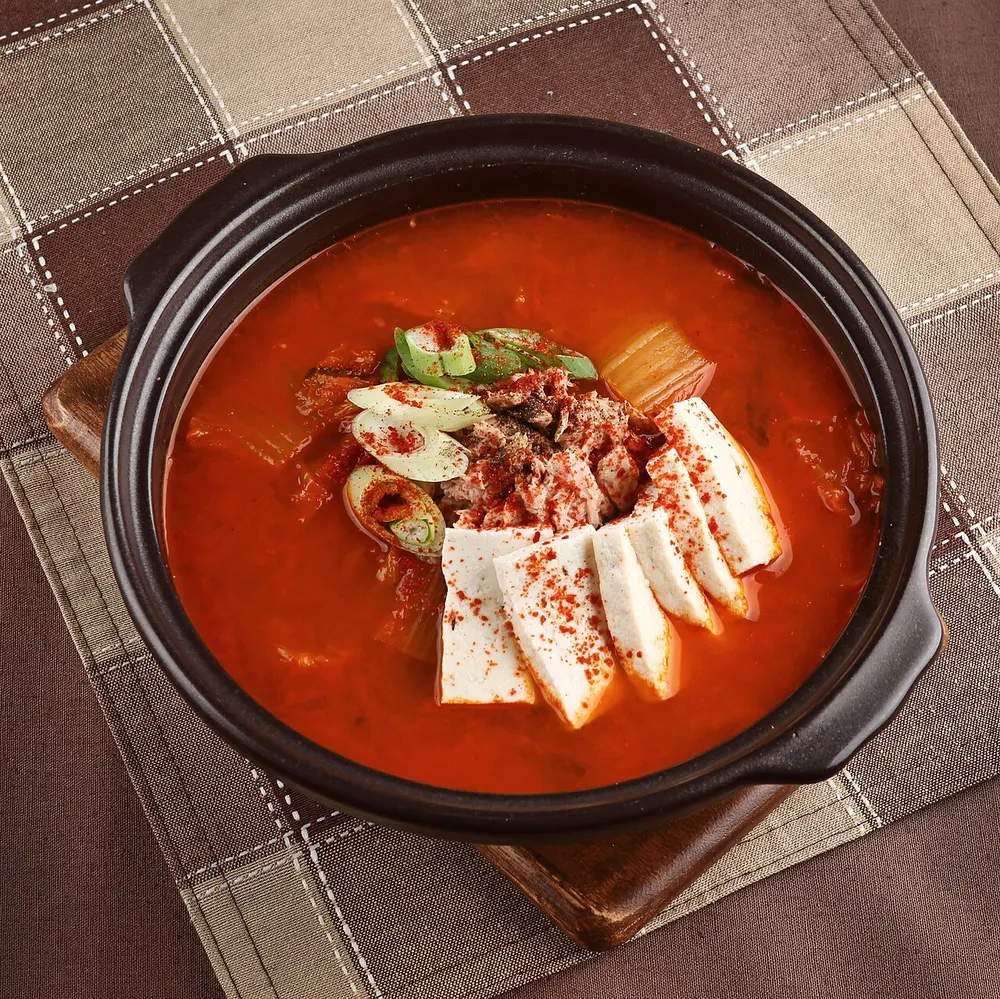
Kimchi Jjigae (Kimchi Stew)
Sumber: Tradisional
30 mnt3420 kkal
Bebas susu🌶️🌶️
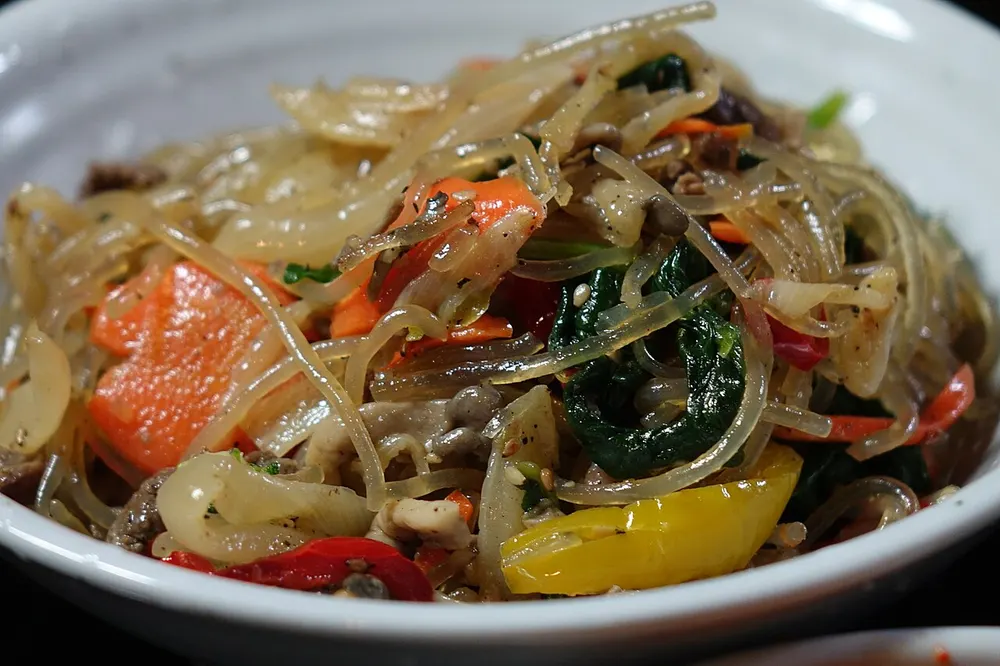
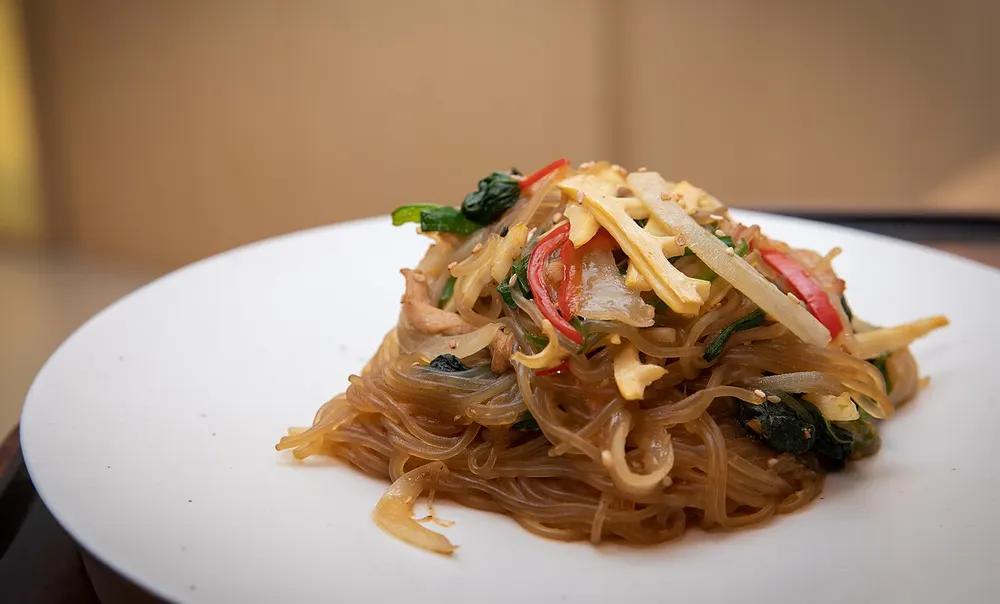
The japchae trick from her years running a banchan shop: the sweet potato noodles are never boiled in plain water. They cook straight in the seasoning liquid — soy, oil, syrup and all — so they drink it up and still refuse to go soggy the next day.
Sumber
Resep oleh 김진순 · 📱 Influencer · Kim Jin-sun — Korean cooking YouTuber, '김진순의 점심시간'; former side-dish shop (반찬가게) owner
Nama juru masak dan kreator hanya dicantumkan sebagai kredit sumber. More Recipes Please independen dan tidak berafiliasi, tidak didukung, serta tidak disponsori oleh mereka.
Kim Jin-sun's Lunchtime (김진순의 점심시간) — Published by Kim Jin-sun on her own YouTube channel 김진순의 점심시간 as '(전)반찬가게 사장님 레시피, 다음날 까지 절대 안불어요!!', with the full ingredient list and numbered method in the video description — her 소량 (small) batch is used here and the large banchan-shop batch is given in the tips. The distinctive move is that the dangmyeon is boiled directly in the seasoning liquid, cooking oil included, rather than in plain water, which is what she credits for it staying firm and seasoned into the next day.
Koki: 김진순
Watch it being made
Prep everything first: julienne the onion, carrot and peppers, tear the oyster mushrooms into strips by hand, rehydrate and shred the wood ears, and pull the crab sticks apart into strands.
Pour 500 ml of water into a pot, add the soy sauce, cooking oil, cooking wine, corn syrup and oyster sauce, and bring it to a boil.
💡 Read that again: the oil goes into the water. This is not a mistake and it is the heart of the recipe — you are building a seasoned bath for the noodles, not a stock.
Once it is boiling hard, add the dried noodles and boil them for 10 minutes.
💡 Ordinary japchae boils the noodles in plain water, drains them, and then tries to make soy sauce stick to a wet, slippery surface. Here the noodle absorbs the seasoning as it swells — that is why it stays seasoned and firm, and why she says it will not go soggy overnight.
While the noodles boil, bring a second pot of water to the boil, add 1/4 tbsp of salt, and blanch the spinach for just 30 seconds.
💡 Thirty seconds — set a timer. Spinach goes from bright and springy to grey and slimy in about a minute, and slimy spinach will slick the whole bowl.
Drain the spinach immediately, cool it under cold water, then squeeze it dry with your hands.
Now fry the vegetables one kind at a time: a slick of oil in the pan, one vegetable, a pinch of seasoned salt, about 1 minute over medium-high heat, then into a big mixing bowl. Repeat for each.
💡 One at a time is tedious and it is the difference between japchae and a wet pile. Every vegetable releases water at a different rate — together, they all steam. This is exactly how a banchan shop does it.
For the wood ears, add 2 spoons of the noodle-boiling liquid to the pan and fry them briefly in that.
💡 Wood ear is nearly flavourless on its own — a splash of the seasoned noodle liquid gives it something to hold onto without making it soft.
Fry the pork last, over LOW heat, until it is cooked through but not browned.
💡 Low heat, and she says so explicitly. Japchae pork is cut paper-thin; on high heat it scorches and goes stringy before the middle is even warm.
After 10 minutes, tip the noodles into a colander and shake out as much liquid as you possibly can.
💡 Shake, do not rinse. Rinsing under the tap washes off the very seasoning you spent 10 minutes driving into them.
Add the drained noodles to the bowl of fried vegetables and toss everything together once.
Leave it to cool for a few minutes.
💡 Cooling is a real step, not a pause. Piping-hot noodles will wilt the spinach you are about to add and turn it grey.
While it cools, dress the squeezed spinach with a pinch of fine salt and 1/2 tbsp of sesame oil, tossing it lightly with your fingers.
Once the japchae has cooled a little, add the seasoned spinach and toss the whole bowl one final time. Serve warm or at room temperature.
Korean
Sumber: Tradisional
Korean
Sumber: Masakan rumahan
Korean
Sumber: Masakan rumahan
Korean
Sumber: Tradisional
Sudah coba bikin? Bagikan fotonya di Etalase.
Bagikan hasil masakanmu →