Pemula
Brazilian
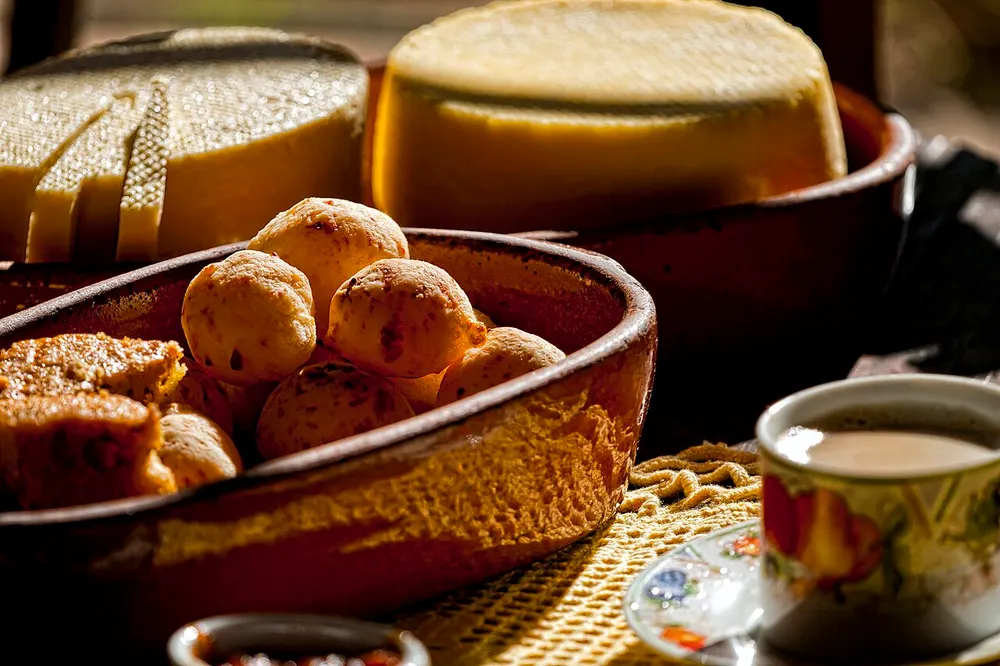
Pão de Queijo (Cheese Bread)
Sumber: Tradisional
45 mnt690 kkal
VegetarianBebas gluten
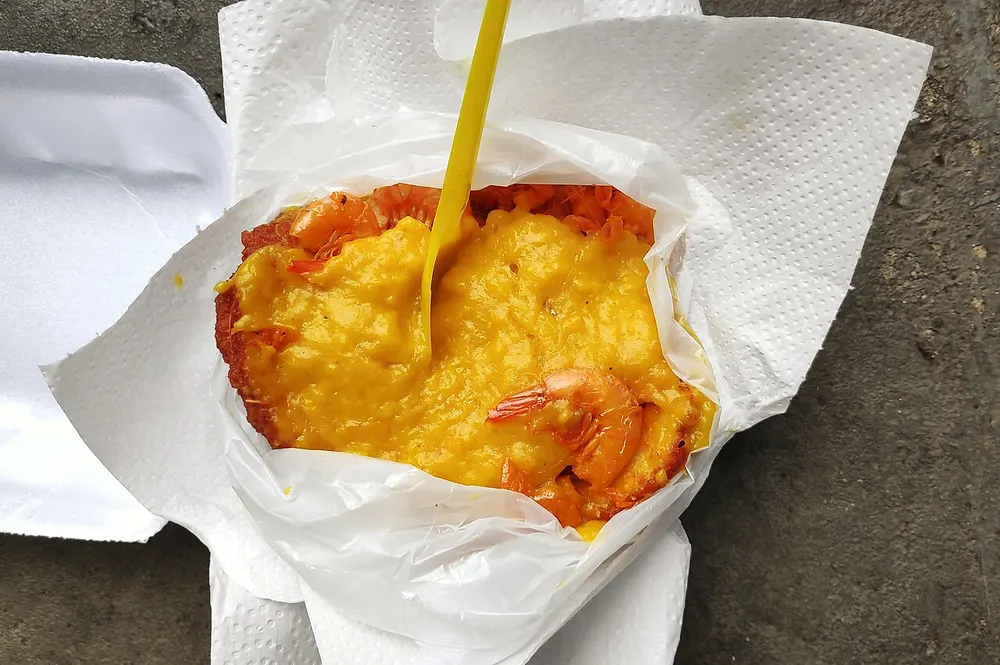
Salvador's most famous street food: skinned black-eyed peas whipped to a light batter, deep-fried in red palm oil until puffed and crisp, then split and stuffed with spiced shrimp and vatapá.
Sumber
Resep oleh Baianas de acarajé, Salvador · 🏺 Tradisional · Traditionally made and sold by the Baianas of Bahia; rooted in West African Yoruba àkàrà
Bahian street food (Salvador) — Acarajé is a Bahian street food of West African Yoruba origin (from àkàrà), brought to Brazil through the Atlantic slave trade and tied to Candomblé religious tradition. It is sold on the streets of Salvador by Baianas in their white lace dresses, fried fresh in dendê palm oil.
Watch it being made · 3 videos
Drain the soaked peas and rub them vigorously between your hands under water so the skins float free. Pick out and discard the loose skins, changing the water until the peas are pale and clean.
💡 Skinning is tedious but essential — leftover skins make a grey, heavy batter that fries dense instead of light and airy.
Blend the skinned peas with the chopped onion and salt, adding as little water as possible, into a thick, smooth paste.
Scrape the paste into a bowl and beat it hard with a spoon (or a whisk) for 4–5 minutes until it lightens in colour and feels fluffy.
💡 Beating whips air into the batter — this is what makes acarajé puff up and stay light inside. Under-beaten batter fries flat and stodgy.
Make the topping: quickly cook the shrimp with a little onion, the tomato, chili, ground dried shrimp if using, and salt until the shrimp are just pink. Stir in the coriander and set aside.
Heat the dendê in a deep, narrow pan to about 180°C. It should be deep enough for the fritters to float and bob.
💡 Real acarajé is fried in dendê, not neutral oil — that is where its colour and unmistakable flavour come from. Heat it gently; palm oil can smoke if pushed too hot.
Using two wet spoons, scoop a quenelle of batter and slide it into the oil. Fry a few at a time.
Fry 4–5 minutes, turning, until deep orange-gold, puffed and crisp on the outside. Drain on paper towel.
Slit each hot fritter open along one side like a pocket, without cutting all the way through.
Spoon the shrimp topping (and vatapá, if you have it) into the pocket.
Serve immediately, while the shell is crisp and the filling hot.
Brazilian
Sumber: Tradisional
Brazilian
Sumber: Tradisional
Peruvian
Sumber: Tradisional
Argentine
Sumber: Tradisional
Sudah coba bikin? Bagikan fotonya di Etalase.
Bagikan hasil masakanmu →