Baguhan
Korean
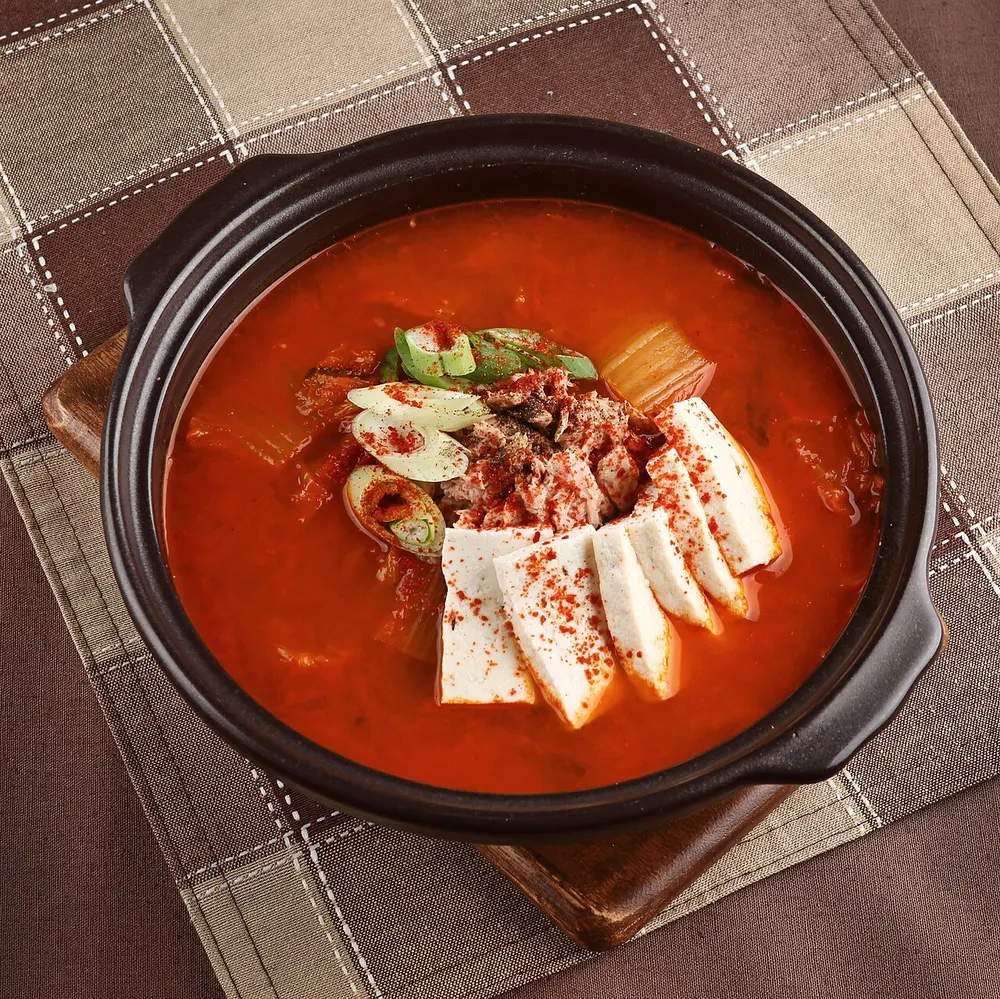
Kimchi Jjigae (Kimchi Stew)
Pinagmulan: Traditional
30 min3420 kcal
Walang gatas🌶️🌶️
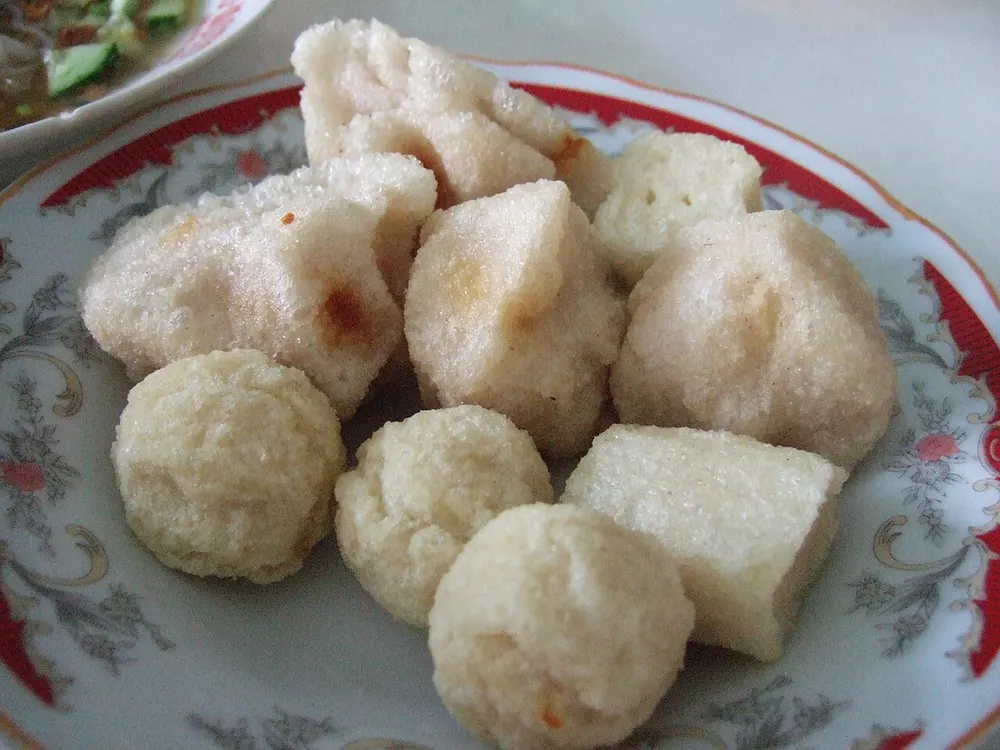
Chewy fish-and-tapioca cakes from Palembang, boiled then fried, dunked in cuko — a thin, black, aggressively sour-sweet chili and palm sugar sauce.
Pinagmulan
Recipe ni Palembang home kitchens · 🏺 Traditional · Palembang (South Sumatra) household cooking
Traditional dish · Palembang, South Sumatra — A dish with no single author. The cited article places pempek in Palembang, South Sumatra, describes the dough as ground boneless fish with water, salt and sago or tapioca flour, and gives cuko as a boiled sauce of palm sugar, chili, garlic, vinegar and salt. Its account of a 16th-century Chinese immigrant inventing the dish is presented there as tradition rather than documented history, and we treat it the same way. The steps here are our own writing.
Karagdagang impormasyon sa Wikipedia ↗
Panoorin habang niluluto · 3 na video
Blitz the fish to a smooth paste with the ice water, garlic and salt. Keep it cold throughout.
💡 Warm fish paste will not bind and the cakes fall apart in the pot. If the bowl feels warm to the back of your hand, refrigerate it for 15 minutes before going on.
Fold in the tapioca starch with a spatula — do not knead and do not use a machine. Stop the moment it comes together into a soft, slightly sticky dough.
💡 This is the single hardest thing about pempek. Overworked dough turns hard and rubbery when boiled, and there is no way back from it — under-mixed is always the safer error.
With oiled hands, roll portions into logs about the thickness of your wrist, or shape flat rounds, pinch them into cups, drop in an egg and seal for kapal selam.
Lower them into a wide pan of gently simmering salted water. They sink; when they float, give them 5 more minutes, then lift out and cool completely.
💡 A gentle simmer, never a boil. Rolling water tears the cakes open and, in a kapal selam, forces the egg straight out of its seam.
For the cuko, simmer the palm sugar in the water until dissolved, then add the pounded chilies and garlic, tamarind, vinegar and a good pinch of salt. Simmer 10 minutes and strain.
Taste the cuko. It should be sour first, then sweet, then hot, and thin enough to drink — not a dipping syrup.
Slice the cooled cakes thickly and fry them in hot oil until blistered and golden outside but still soft within.
Serve in a shallow bowl with cuko poured around, diced cucumber and a tangle of rice noodles.
Korean
Pinagmulan: Traditional
Korean
Pinagmulan: Home cook
Korean
Pinagmulan: Home cook
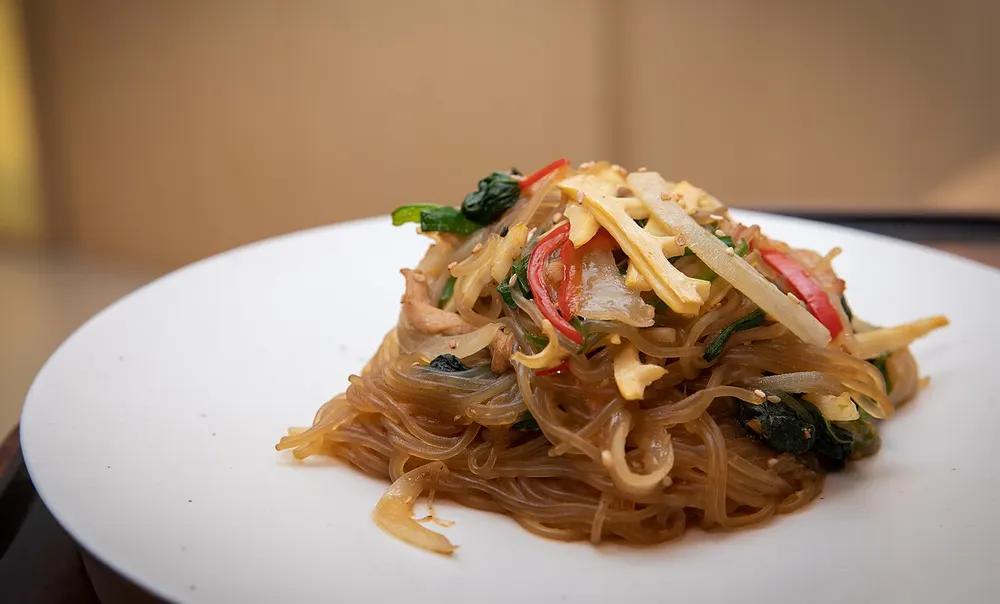
Korean
Pinagmulan: Traditional
Niluto mo? Magbahagi ng larawan sa Showcase.
Ibahagi ang niluto mo →