Baguhan
Korean
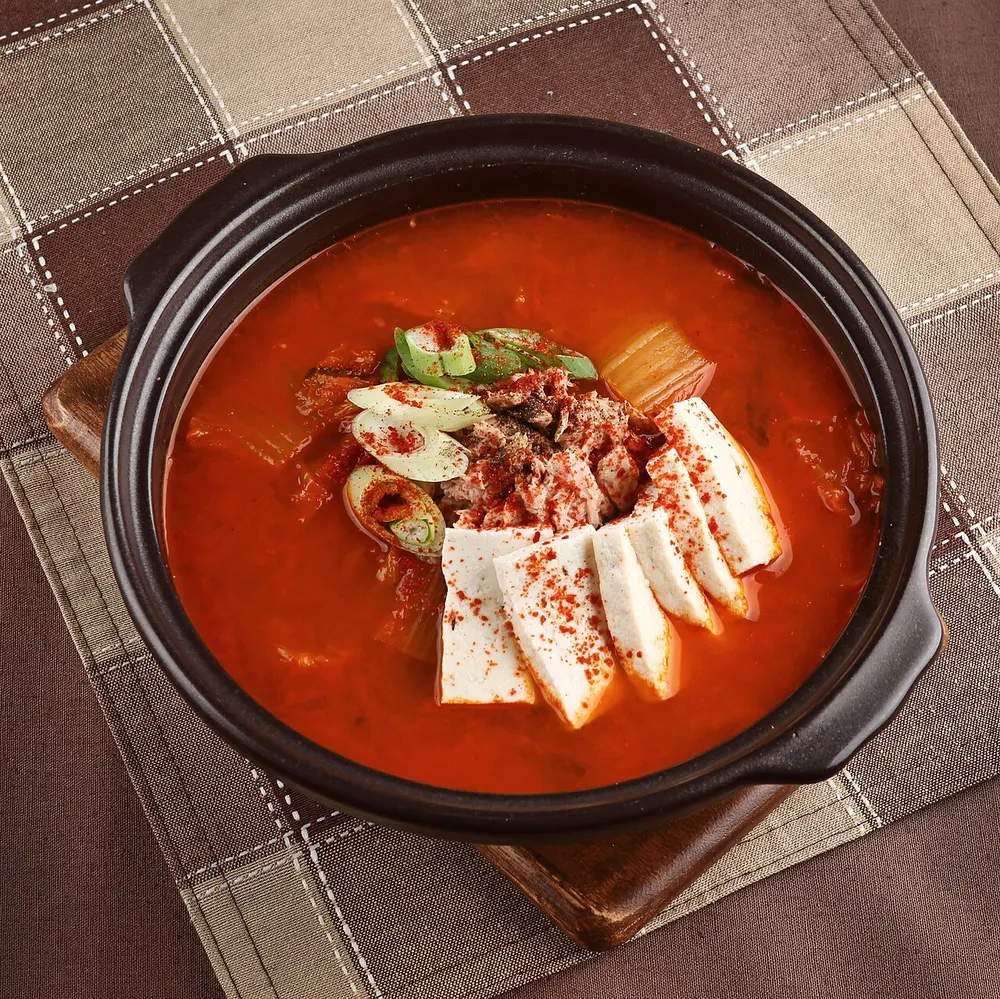
Kimchi Jjigae (Kimchi Stew)
Pinagmulan: Traditional
30 min3420 kcal
Walang gatas🌶️🌶️
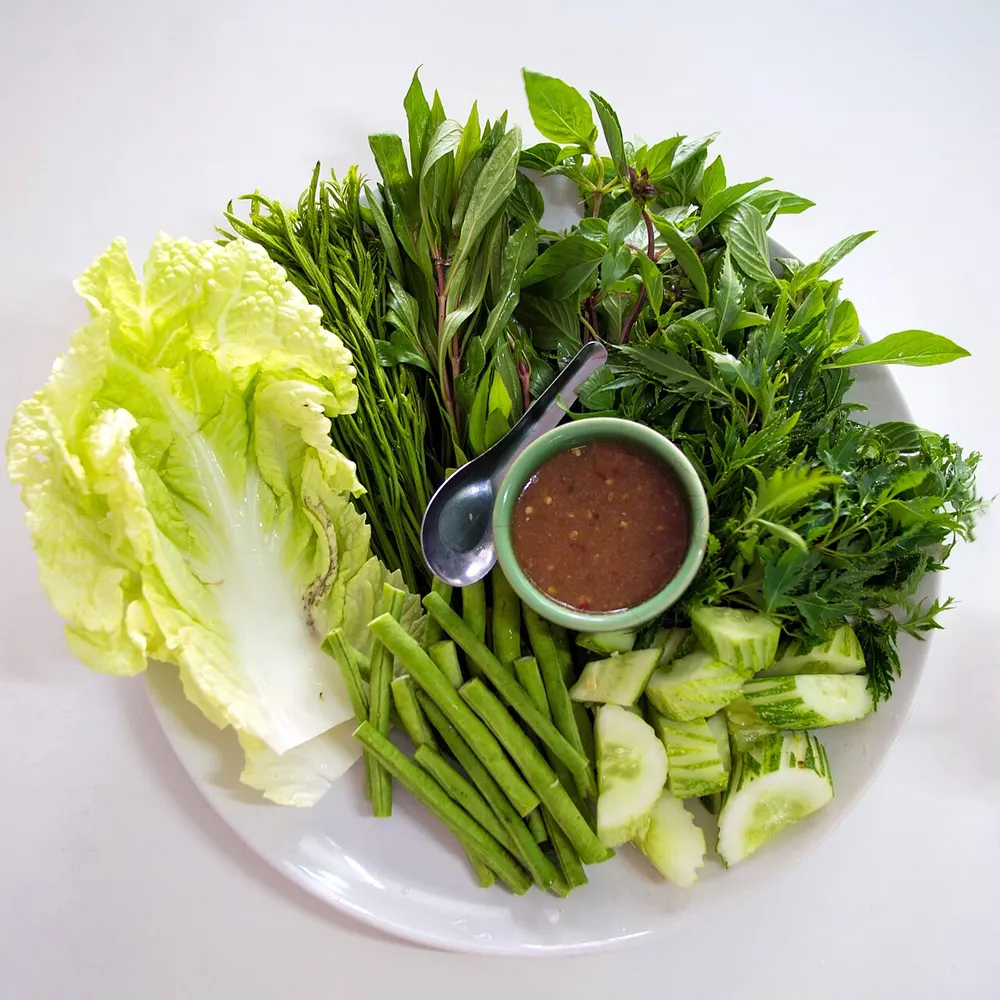
Shrimp paste, garlic, chilli and lime pounded in a mortar into a salty, sour relish, eaten with a plate of raw and steamed vegetables and a fried mackerel — the oldest shape a Thai meal takes.
Pinagmulan
Recipe ni Central Thai home kitchens · 🏺 Traditional · Household cooking of the Chao Phraya plain — the Bangkok-centred style most of the world means by 'Thai food'
Central Thailand · the mortar — An ownerless traditional dish, so no cook is credited. The cited article confirms nam phrik as a type of Thai spicy chilli sauce typical of Thai cuisine, made with fresh or dried chillies, garlic and shallots. Quantities, the toast-the-kapi step and the mortar-not-blender rule are this book's own.
Karagdagang impormasyon sa Wikipedia ↗
Panoorin habang niluluto · 3 na video
Pound the garlic and chillies in a mortar to a rough paste.
Add the dried shrimp and pound again, then the toasted shrimp paste and Thai eggplant.
💡 A mortar, not a blender. Pounding bruises and releases; a blade chops and aerates, and the relish comes out pale and frothy instead of dark and dense.
Work in the palm sugar, then the lime juice and fish sauce a little at a time.
Taste and adjust. It should be salty first, sour second, sweet last, and hot throughout.
Arrange the raw and steamed vegetables on a platter with the fried mackerel and the relish in a small bowl.
Korean
Pinagmulan: Traditional
Korean
Pinagmulan: Home cook
Korean
Pinagmulan: Home cook
Korean
Pinagmulan: Traditional
Niluto mo? Magbahagi ng larawan sa Showcase.
Ibahagi ang niluto mo →