Baguhan
Korean
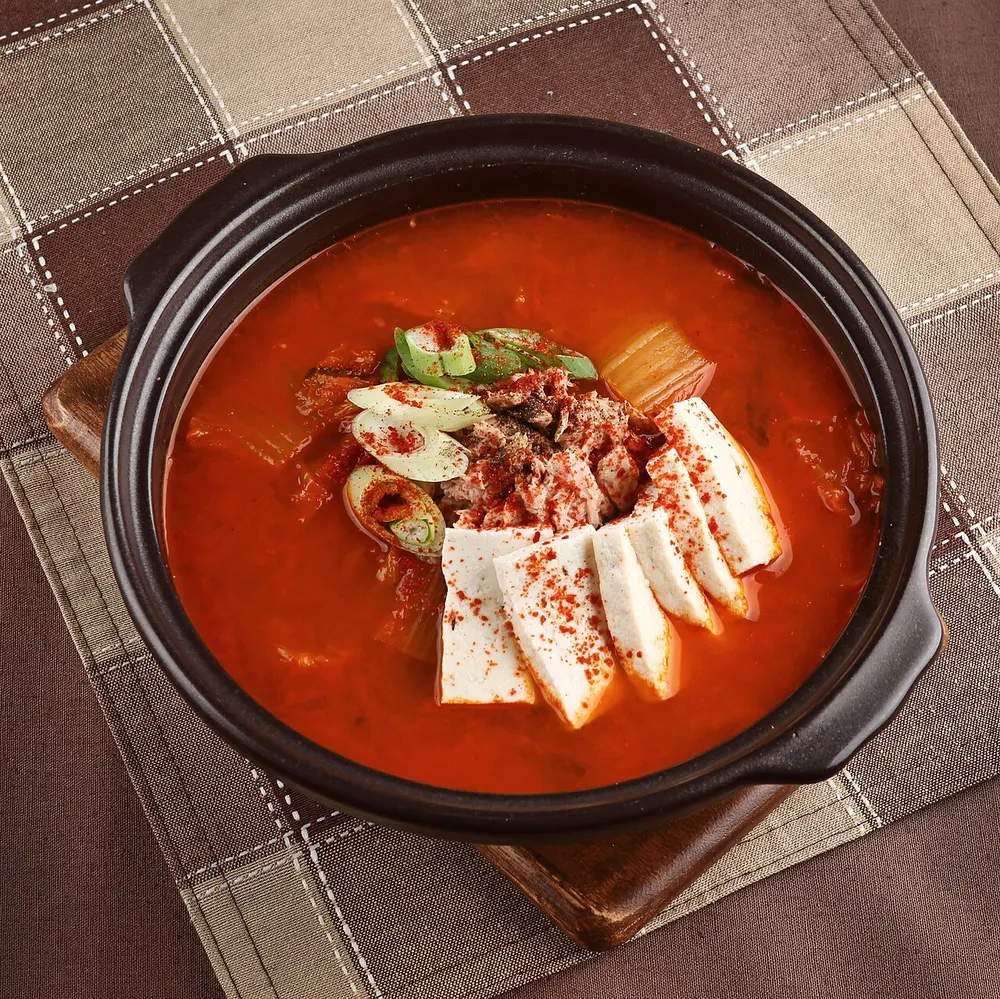
Kimchi Jjigae (Kimchi Stew)
Pinagmulan: Traditional
30 min3420 kcal
Walang gatas🌶️🌶️
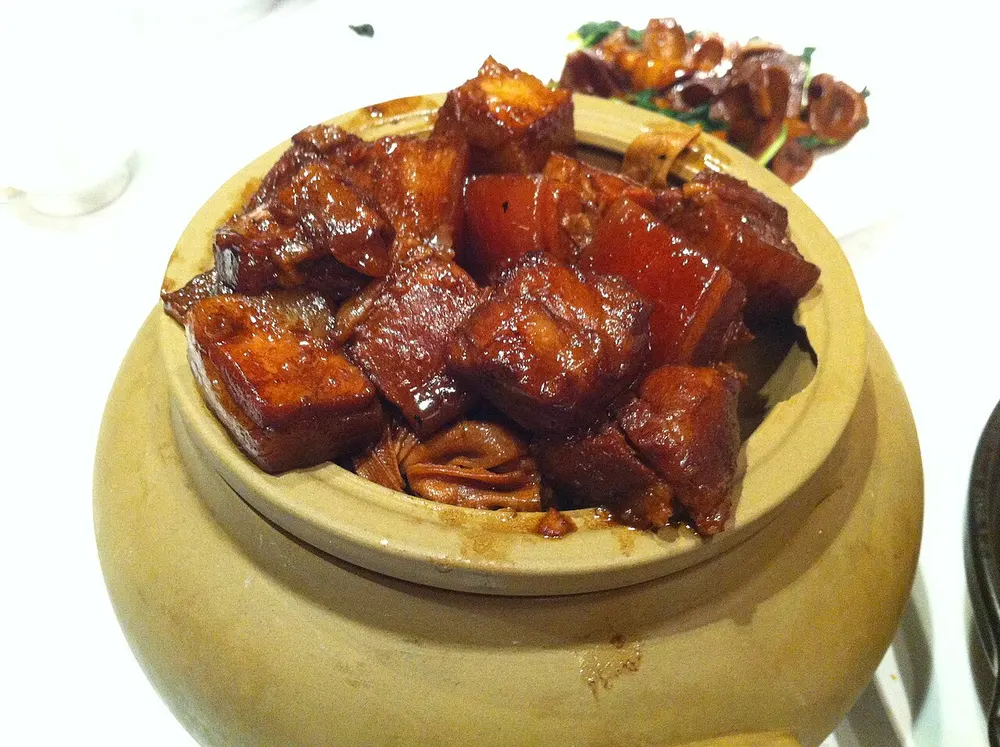
Cubes of pork belly caramelised in melted rock sugar and braised slow in soy and Shaoxing wine until the fat turns to jelly and the sauce reduces to a mirror.
Pinagmulan
Recipe ni Shanghainese home kitchens · 🏠 Home cook · The Shanghai reading of a dish cooked all over China — no single author
Shanghai home-style / 上海本幫菜 — Red-braised pork belly is red-cooked — 红烧 — with ginger, garlic, aromatics, sugar, star anise, light and dark soy and rice wine, and its melting texture comes from the long braise in which the liquid reduces and thickens around the meat. The Shanghai reading leans on extra rock sugar and generous Shaoxing wine for sweetness and shine; the Hunan version, associated with Mao Zedong and standardised by the provincial government down to the Ningxiang pig breed, is a distinctly different animal. Eggs or vegetables are often added to soak up the sauce.
Karagdagang impormasyon sa Wikipedia ↗
Panoorin habang niluluto · 3 na video
Cut the pork belly into 4 cm cubes, keeping the skin on every piece.
💡 Keep the skin. It is the collagen in the skin that dissolves over 90 minutes and gives the sauce its lip-sticking body — skinless belly makes a thinner, duller braise.
Put the pork in a pot of cold water with a few ginger slices and 30 ml of the wine. Bring to a boil and let it bubble 3 minutes.
Skim off the thick grey scum, then drain the pork and rinse each cube under warm running water.
💡 Warm water, not cold. A cold rinse makes the fat seize and contract, and the cubes tighten up before they ever get to the braise.
Dry the cubes well. Heat the oil in a heavy pot over medium-low and add the rock sugar.
Let the sugar melt slowly, stirring, until it liquefies and turns the colour of weak tea — about 3–4 minutes. Do not walk away.
💡 This is 炒糖色, sugar-colouring, and it is the tensest 30 seconds in Chinese home cooking. Amber is perfect; one shade darker is bitter and unfixable. If it smokes, throw it out, wash the pot and start again — it costs 40 g of sugar, not the dish.
Tip the pork in and toss for 2–3 minutes until every cube is coated in the caramel and glowing brown.
Add the ginger, scallion, star anise and cassia, and pour in the remaining 120 ml of Shaoxing wine. Let it bubble hard for 1 minute.
Add both soy sauces and enough hot water to just cover the pork.
💡 Hot water only. Cold water hitting hot, seared pork shocks the meat fibres tight, and they stay tough through the entire braise no matter how long you cook it.
Bring it to a boil, then drop the heat until the surface barely trembles — one lazy bubble every second or two. Cover and leave it 60 minutes.
💡 The lazy bubble is the whole technique. A rolling boil agitates the meat and it goes stringy and dry even while sitting in liquid; a bare simmer melts the collagen without disturbing the fibres.
Check it: a chopstick should slide through a cube with no resistance at all. If it does not, give it another 15–20 minutes.
Fish out the ginger, scallion and whole spices, and add the peeled boiled eggs now if you are using them.
Take the lid off, raise the heat to medium-high, and reduce for 15–20 minutes, spooning the sauce over the cubes as it thickens.
💡 Stay at the stove for this part. The sauce goes from thin to perfect to burnt sugar in about ninety seconds, and it thickens fastest right at the end.
Stop when the sauce coats the back of a spoon and the cubes shine like lacquer. Taste — it should be savoury first, sweet second.
Serve over hot rice with something green and plain alongside — blanched bok choy is the standard.
Korean
Pinagmulan: Traditional
Korean
Pinagmulan: Home cook
Korean
Pinagmulan: Home cook
Korean
Pinagmulan: Traditional
Niluto mo? Magbahagi ng larawan sa Showcase.
Ibahagi ang niluto mo →