Principiante
Korean
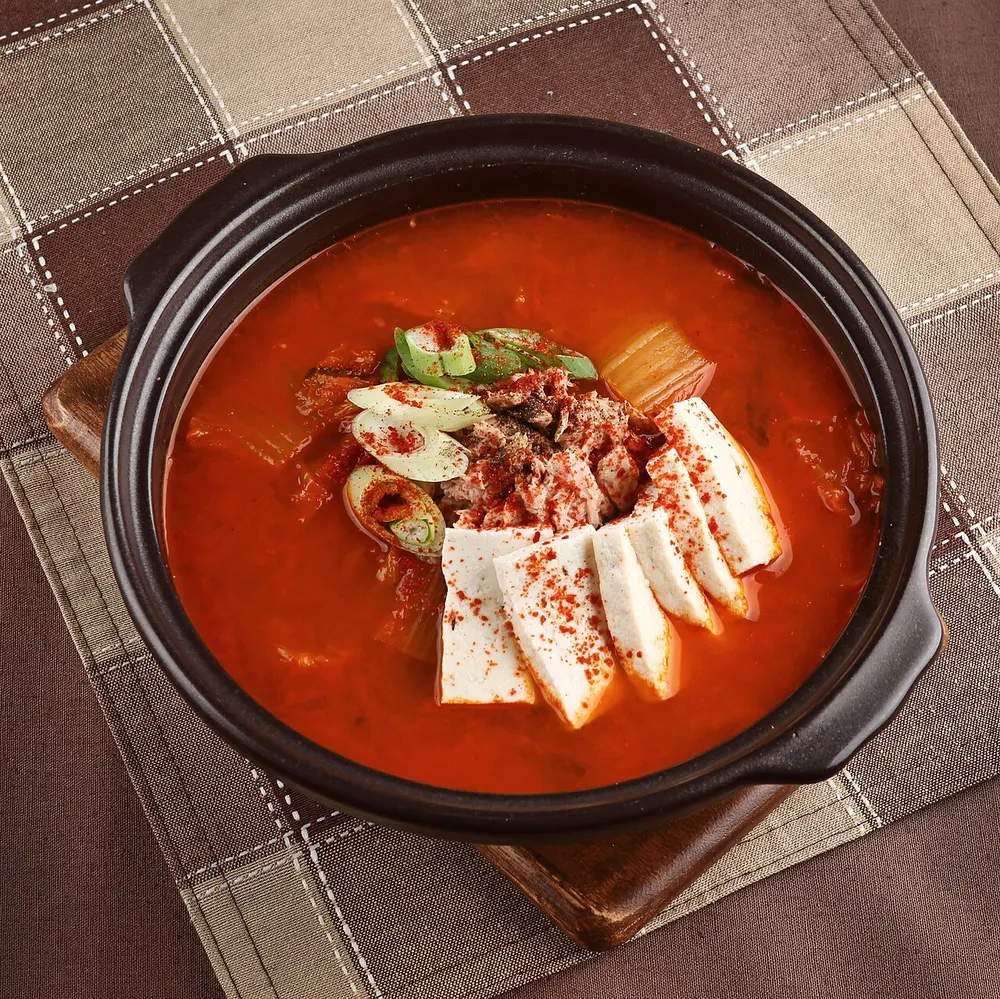
Kimchi Jjigae (Kimchi Stew)
Fuente: Tradicional
30 min3420 kcal
Sin lácteos🌶️🌶️
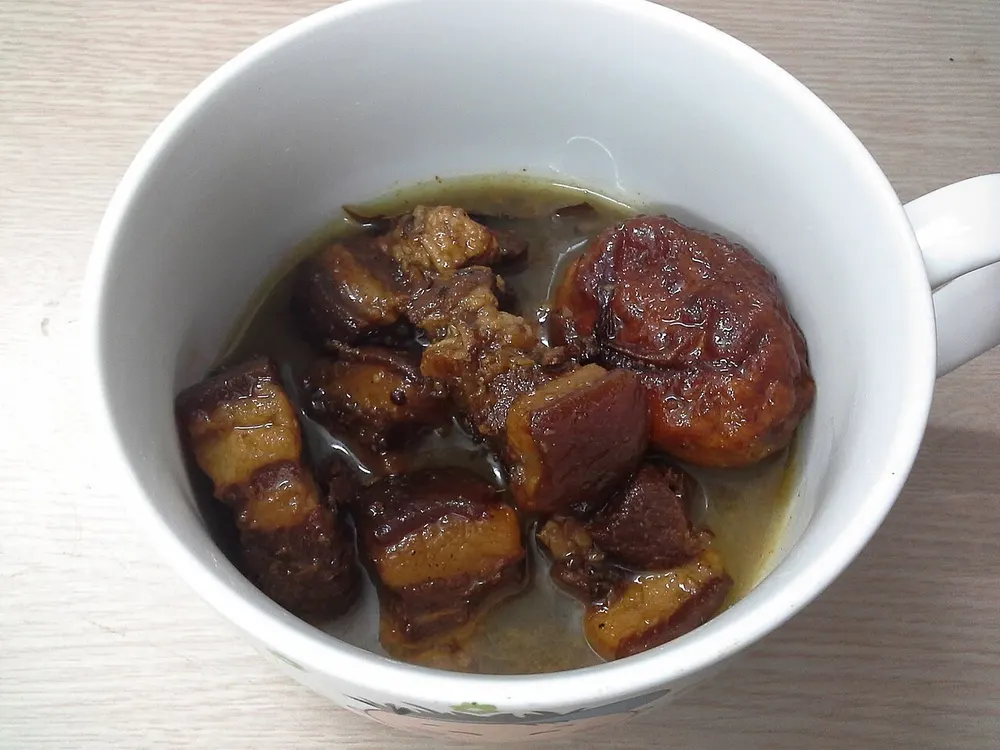
The pot that sits on southern Vietnamese stoves through the whole of Lunar New Year: pork belly and whole boiled eggs braised slowly in coconut water and burnt-sugar caramel until the fat goes clear and the sauce turns amber.
Fuente
Receta de Southern Vietnamese home kitchens · 🏺 Tradicional · Saigon and Mekong Delta home cooking — sweeter, coconut-led, served with herbs by the armful
Southern Vietnamese home cooking · Tết dish — An ownerless home dish with no documented creator. The reference confirms the three Vietnamese names (thịt kho tàu, thịt kho nước dừa, thịt kho trứng), the Vietnamese origin and spread to Cambodia and Laos, its status as a traditional Tết dish offered at the ancestral altar before being eaten, the use of coconut juice as the braising liquid rather than the water used in Chinese versions, the nước màu Vietnamese caramel rather than dark soy, and the boiled eggs. The reference does not specify the pork cut or whether the eggs are chicken or duck; pork belly and either egg are what southern households use, and this book states that as ordinary practice rather than as a sourced claim.
Watch it being made · 3 videos
Blanch the pork in boiling water for 3 minutes, drain and rinse. Toss it with the shallots, garlic, 3 tbsp fish sauce, 2 tbsp sugar and the pepper, and leave it 30 minutes.
Make the caramel: melt 3 tbsp sugar in a dry heavy pot over medium heat without stirring, swirling the pot instead, until it turns the colour of dark tea. Take it straight off the heat.
💡 Amber is right; black is bitter and cannot be saved. Pull it one shade lighter than looks correct — it keeps darkening in the hot pot.
Add the pork to the caramel and stir to coat every piece, then pour in the coconut water. Bring it to the boil, skim off the foam, and drop the heat as low as it will go.
Cover partly and let it barely tremble for 60 minutes. Add the peeled eggs, the remaining fish sauce and the whole chillies, and give it another 30 to 40 minutes uncovered.
💡 The eggs go in late on purpose. Given the full two hours their whites turn tough and rubbery instead of taking on that soft amber stain.
It is done when the fat is translucent, the meat gives way to a spoon, and the sauce has reduced to a glossy amber that coats the back of a ladle. Taste and add fish sauce if it needs salt.
Serve with plain rice and the pickles, and put the pot on the table so people can spoon the sauce over their own bowls.
Korean
Fuente: Tradicional
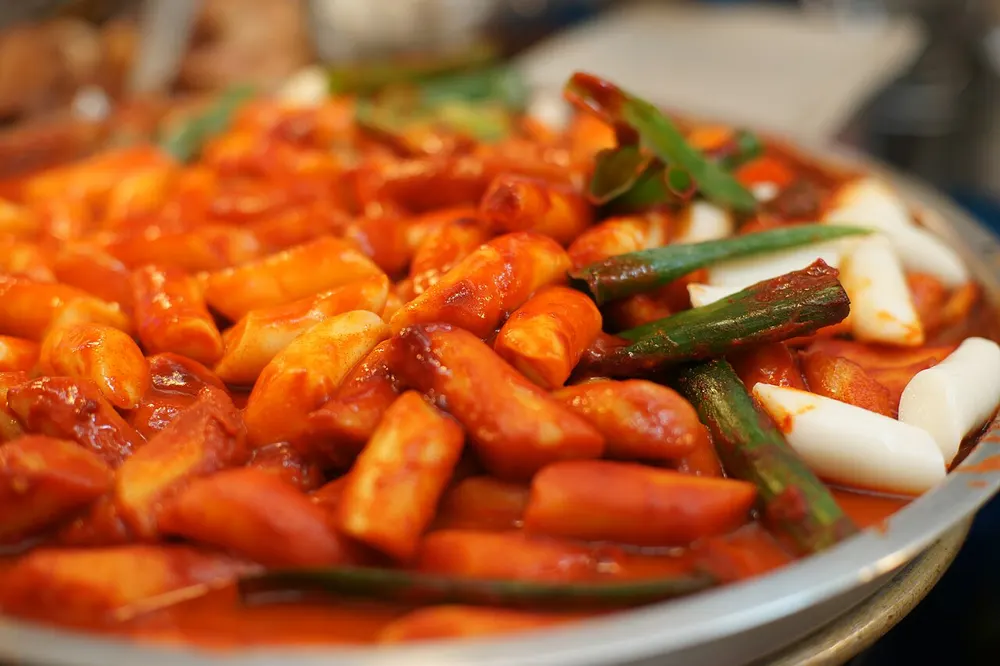
Korean
Fuente: Cocina casera
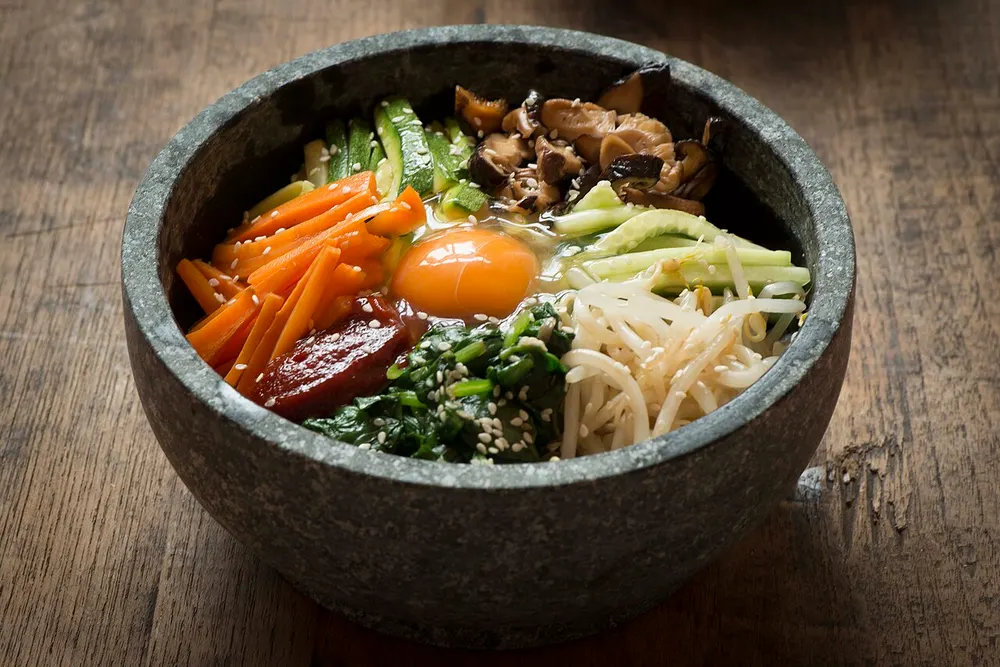
Korean
Fuente: Cocina casera
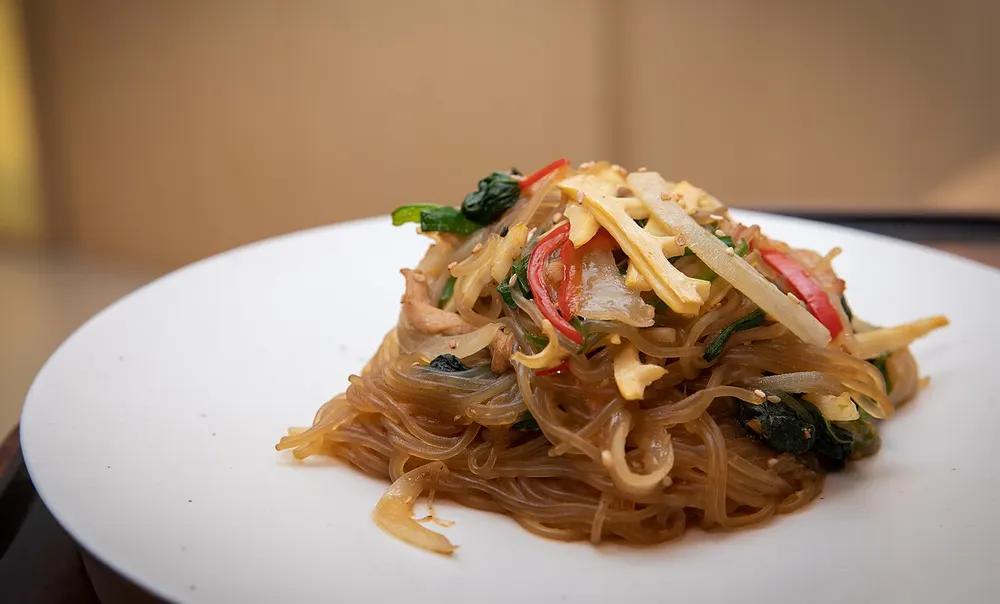
Korean
Fuente: Tradicional
¿Lo has preparado? Comparte una foto en la Vitrina.
Comparte tu creación →