Principiante
Korean
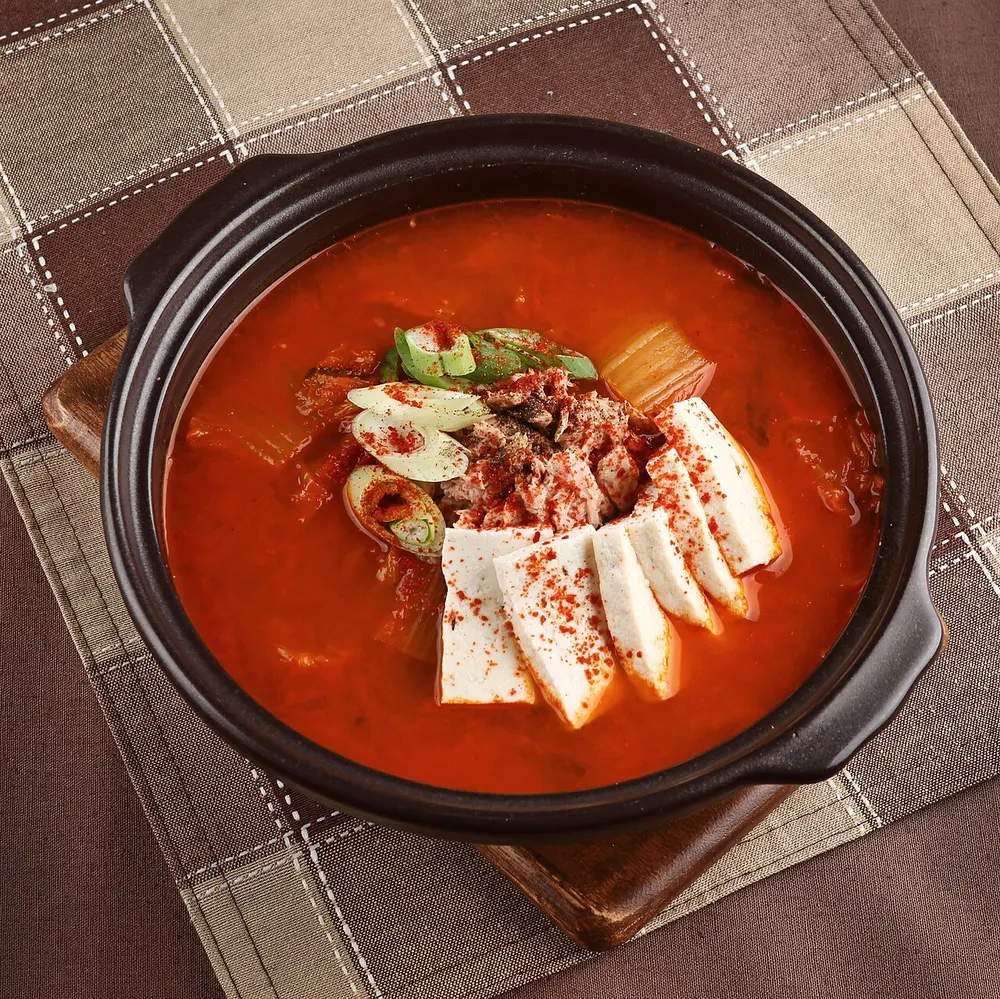
Kimchi Jjigae (Kimchi Stew)
Fuente: Tradicional
30 min3420 kcal
Sin lácteos🌶️🌶️
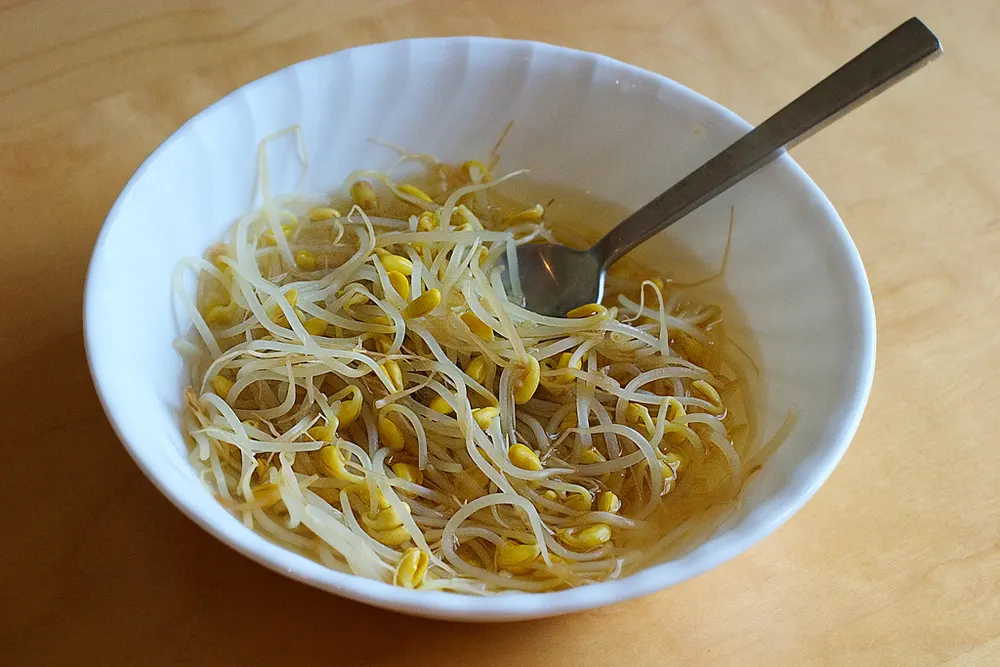
The clean, cold-clear bean sprout soup restaurants get right and homes usually don't: everything goes into already-boiling water, and it comes off the heat after six minutes so the sprouts still snap.
Fuente
Receta de 백종원 · 👨🍳 Chef · Paik Jong-won — chef & restaurateur, 백종원의 요리비책
Los nombres de cocineros y creadores aparecen únicamente como crédito de la fuente. More Recipes Please es independiente y no está afiliada, respaldada ni patrocinada por ellos.
Paik Jong-won (요리비책) — Published by Paik Jong-won on his own YouTube channel under a title translating as 'how to boil a refreshing bean sprout soup with the crunch still alive', where he says he is sharing the secret behind the clean-tasting kongnamul-guk you get in restaurants but struggle to reproduce at home. What marks his version is timing rather than ingredients: the water is brought to a rolling boil before anything goes in, everything is added at once, and it comes off the heat after roughly 6 minutes total. He also passes on the restaurant practice of storing broth and sprouts separately so the sprouts never stew.
Cocinero: 백종원
Watch it being made · 3 videos
Rinse the bean sprouts lightly under running water and tip them into a colander to drain. Do not leave them sitting in a bowl of water.
💡 Sprouts are mostly water already. Soaking them waterlogs the stems, and a waterlogged sprout goes limp the moment it hits the pot — the exact opposite of what this soup is for.
Slice the green onion and the Cheongyang chili into thin rounds about 0.3 cm thick. Set them aside — they are the last thing in.
Pour the 2 L of filtered water into a pot and bring it to a full, rolling boil over high heat — big bubbles breaking the surface, not just steam.
💡 Boil the water FIRST. Everything in this recipe goes into water that is already boiling — that short, hot, decisive cook is what keeps the sprouts crunchy and the broth clear.
Once it is boiling hard, add the bean sprouts, the guk-ganjang, the minced garlic and the fine salt — all at once — and keep the heat on high.
If you are using MSG, add 1/6 tbsp of it now.
💡 This is his own listed option, not an addition of ours — it is how restaurant kongnamul-guk gets that rounded savouriness. If you leave it out, he suggests using seasoned salt (matsogeum) in place of the fine salt.
Let it return to a boil, then turn the heat down to medium.
Simmer on medium for about 5 minutes. The broth turns from cloudy to clear and pale, and the raw, green, beany smell disappears.
💡 Five minutes, not fifteen. Long boiling is what turns bean sprout soup into a pot of grey, soft, smelly stems — the sprouts have almost nothing in them that needs cooking out.
Taste the broth now. This is the moment to adjust the guk-ganjang — he says explicitly to set it to your own preference.
Add the green onion and the Cheongyang chili.
Boil for just 1 more minute — long enough for the scallion to go bright and fragrant and for the chili to release its heat into the broth, and no longer.
💡 One minute. The chili gives the broth that clean, sharp finish Koreans call 시원하다 — 'refreshing' — which has nothing to do with temperature and everything to do with that bracing edge.
Turn off the heat immediately. Do not let it sit bubbling on the stove while you set the table.
Serve hot, with rice and — ideally — a bowl of sour kimchi alongside.
💡 Restaurant trick he shares: keep the broth and the sprouts in separate containers and combine them only in the serving bowl. That way the sprouts never sit stewing, and every bowl is as crunchy as the first.
Korean
Fuente: Tradicional

Korean
Fuente: Cocina casera
Korean
Fuente: Cocina casera
Korean
Fuente: Tradicional
¿Lo has preparado? Comparte una foto en la Vitrina.
Comparte tu creación →