Principiante
Korean
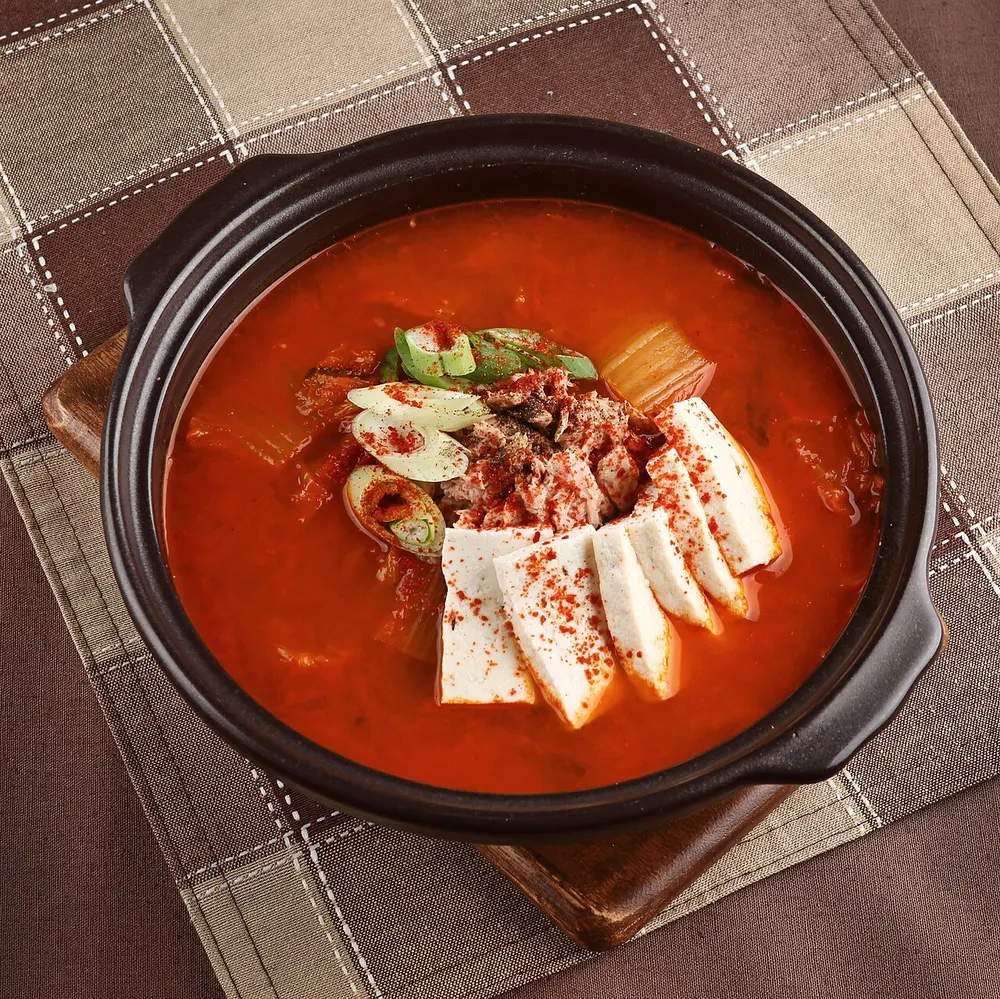
Kimchi Jjigae (Kimchi Stew)
Fuente: Tradicional
30 min3420 kcal
Sin lácteos🌶️🌶️
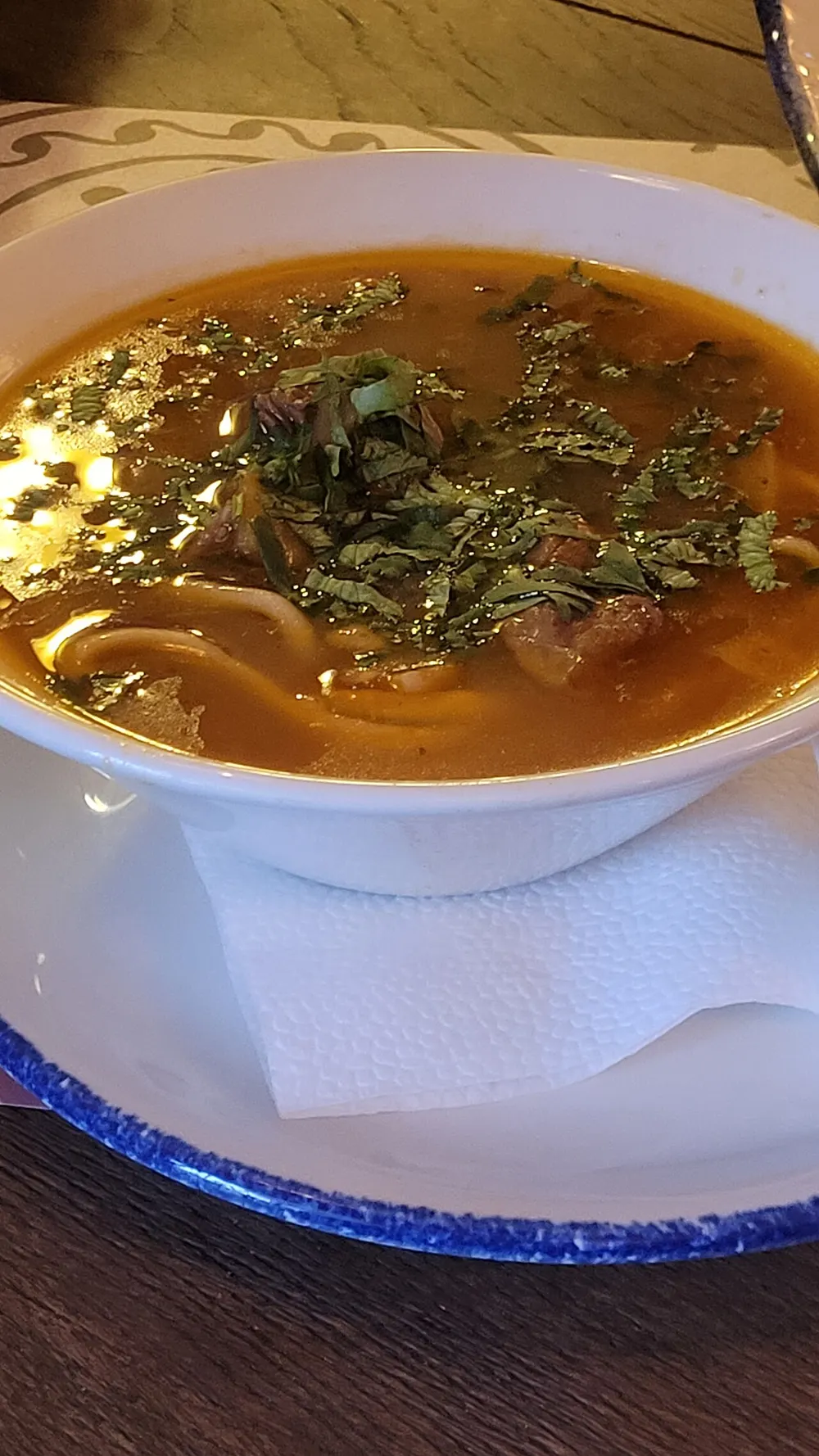
In Kazakhstan lagman often arrives as a hearty soup-noodle: hand-pulled wheat strands and a beef-and-vegetable sauce loosened with broth into something between a stew and a bowl of noodles. Brought by Dungan and Uyghur settlers and made across the country.
Fuente
Receta de Kazakh home kitchens · 🏺 Tradicional · Everyday Kazakh cooking — city and village kitchens where the borrowed Silk Road dishes (manti, lagman) sit alongside fried dough and tea.
Kazakh · traditional dish (Uyghur / Dungan origin) — An ownerless traditional dish, so no cook is credited. The cited article traces laghman to the Uyghurs and its spread through Central Asia, including via Dungan communities; in Kazakhstan it is frequently served as a soupier noodle bowl. This book files a separate Uzbek entry because the dish is genuinely shared, not exclusive to either country. Quantities and method here are this book's own.
Watch it being made
Get a wide pan very hot with a little oil and sear the beef strips until browned. Add the onion, carrot, garlic, peppers and green beans and stir-fry over high heat for 4 minutes.
Stir in the tomatoes, cumin, paprika and pepper and cook 2 minutes, then pour in the broth. Simmer for 10 minutes so the vegetables soften and the sauce tastes rounded. Season with salt.
Meanwhile, boil the noodles in a separate pot until just tender, 3–4 minutes for fresh, then drain.
Divide the noodles between deep bowls and ladle the meat, vegetables and plenty of the sauce over the top. Finish with fresh herbs, and offer chilli oil at the table for those who want heat.
Korean
Fuente: Tradicional
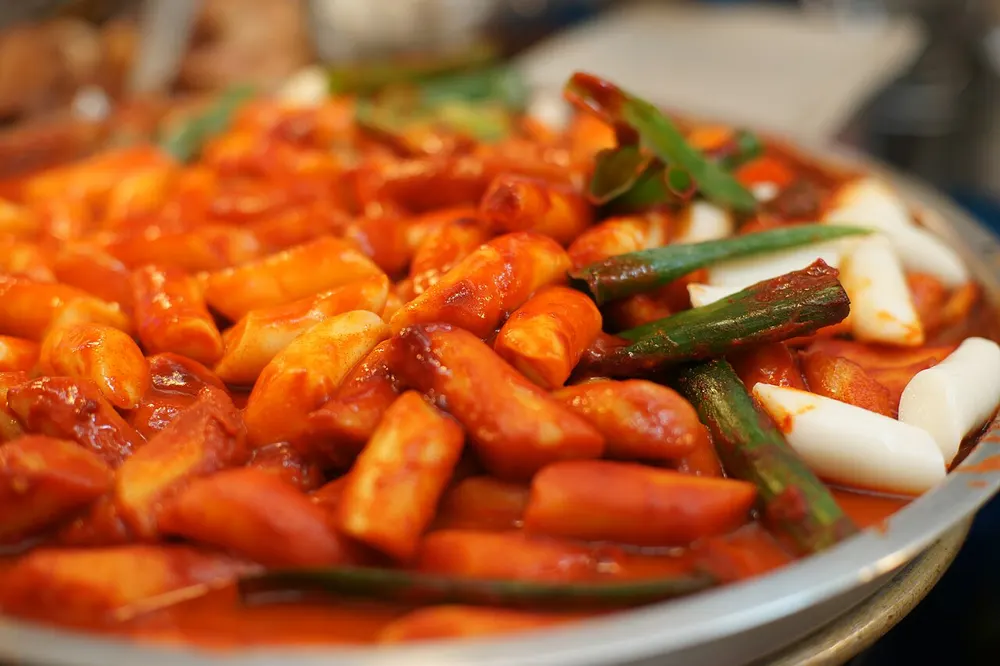
Korean
Fuente: Cocina casera
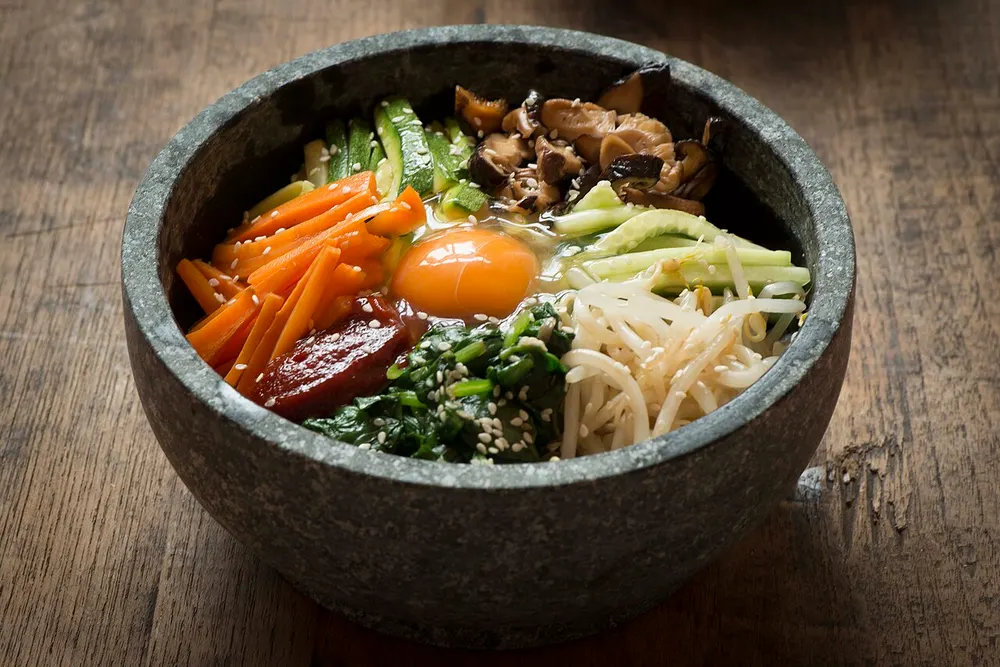
Korean
Fuente: Cocina casera
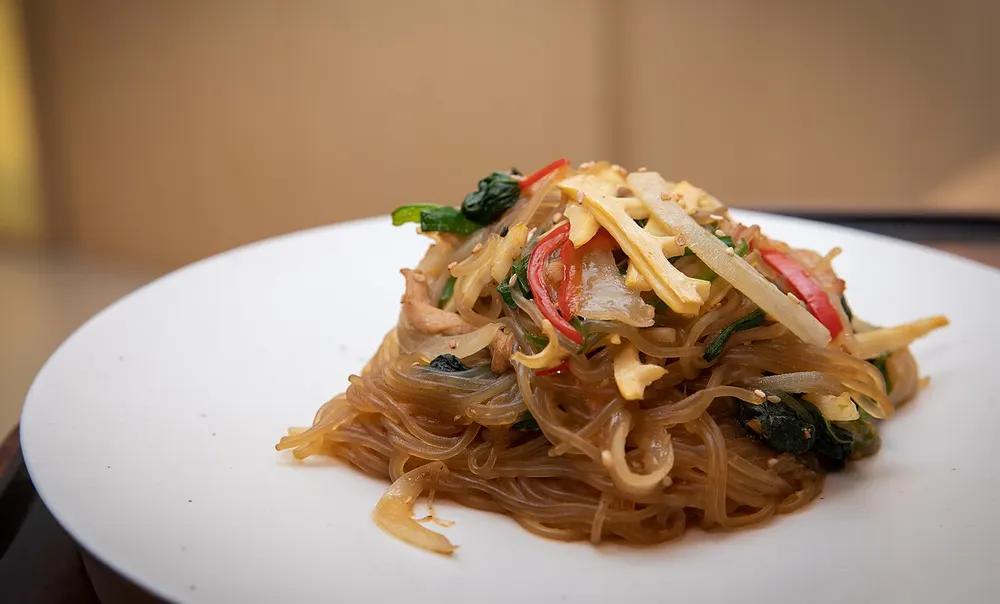
Korean
Fuente: Tradicional
¿Lo has preparado? Comparte una foto en la Vitrina.
Comparte tu creación →