Beginner
Korean
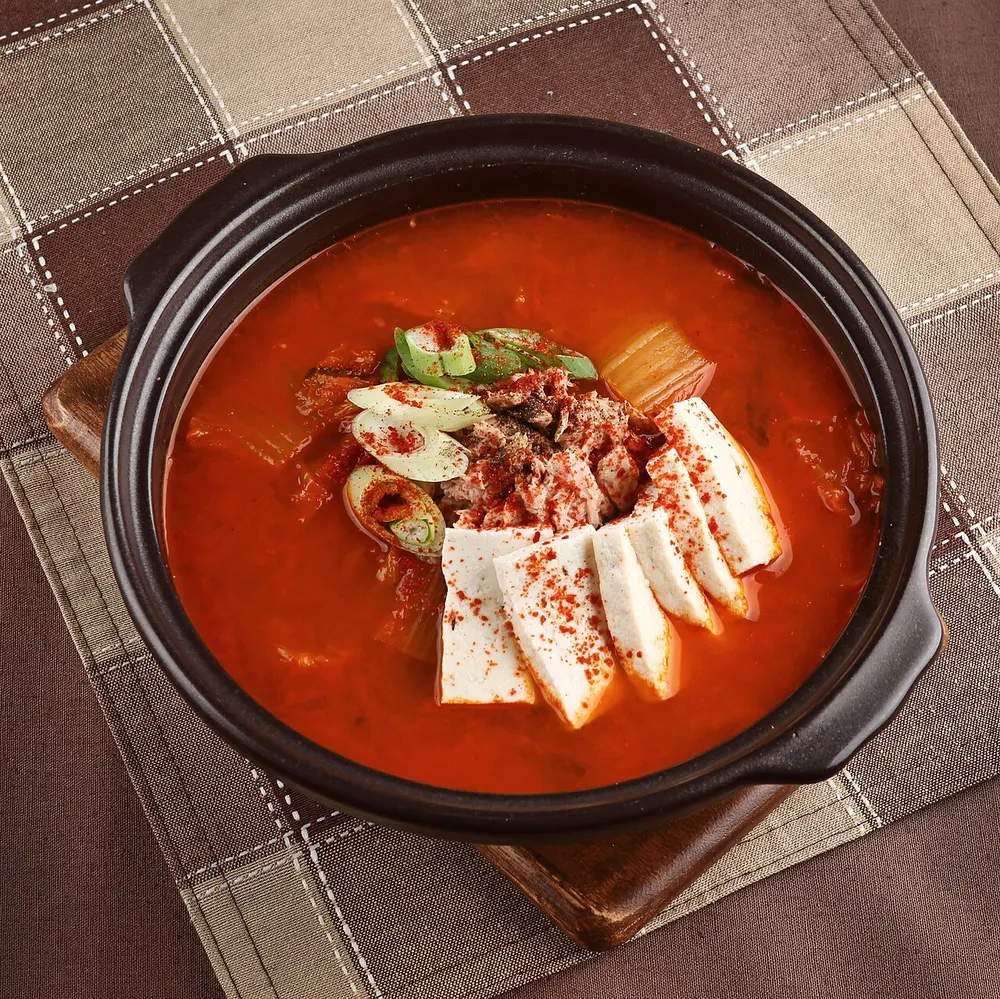
Kimchi Jjigae (Kimchi Stew)
Source: Traditional
30 min3420 kcal
Dairy-free🌶️🌶️
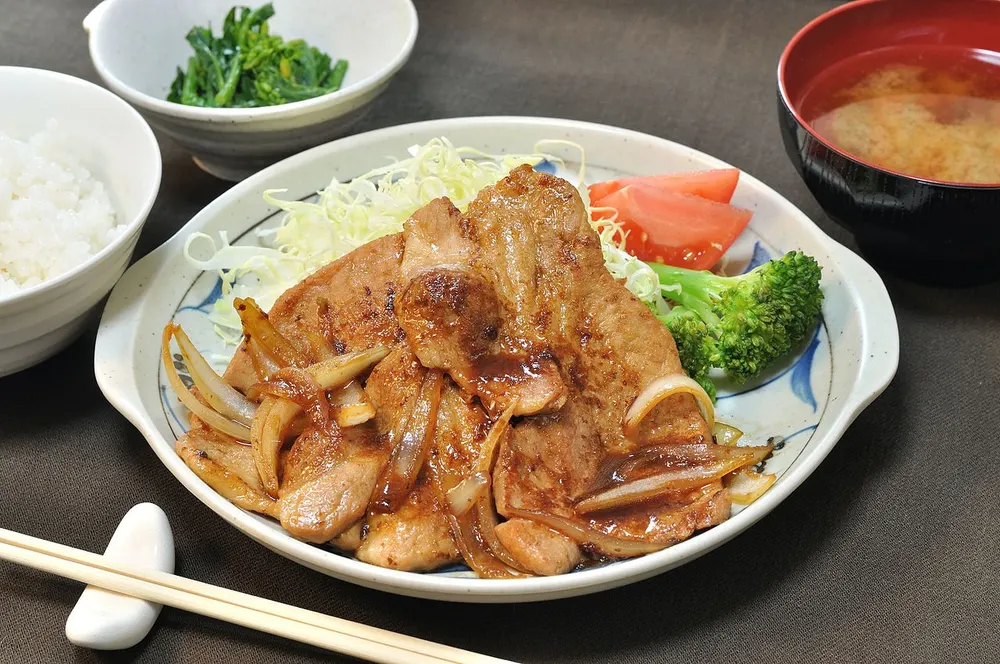
Pork loin marinated in grated ginger, grated onion and sake for 15 minutes, patted dry, dusted with flour and fried — then the marinade is boiled into a sauce and poured over. The meat and the sauce never cook together.
Source
Recipe by リュウジ · 📱 Influencer · Ryuji — cooking researcher (料理研究家) and YouTuber behind 料理研究家リュウジのバズレシピ, Japan's biggest cooking channel at ~5.6M subscribers. Known for fast, exactly-measured home recipes.
Names of cooks and creators appear as source credit only. More Recipes Please is independent and is not affiliated with, endorsed by, or sponsored by them.
Ryuji (バズレシピ) — Published by リュウジ on his own YouTube channel as 【究極の生姜焼き】 — a later rework of his own 至高の生姜焼き, which is the more famous video but publishes only an ingredient list. This one publishes the method as text too, and that is the source of every quantity here. Two things distinguish it. The pork is marinated for 15 minutes in grated onion as well as grated ginger, so the onion's enzymes tenderise it. And the marinade is then boiled with soy, sugar and mirin into a sauce that is poured over the already-fried pork, rather than reduced in the pan with the meat sitting in it — which is the usual method and the usual reason home shogayaki turns tough.
Cook: リュウジ
Watch it being made · 3 videos
Season both sides of the pork loin steaks (2 pieces, 240 g) with salt and pepper.
Grate the ginger (15 g) and the onion (60 g) into a shallow dish and add the sake (大さじ1). Stir it together.
💡 Grate the onion on the fine side of the grater and keep the juice — the juice is the active part. Raw onion enzymes are what break the pork down; the pulp is just what carries them.
Lay the pork in the marinade, turn it so both sides are covered, and leave it exactly 15 minutes at room temperature.
💡 Fifteen minutes, not longer. Grated onion is powerful — leave pork in it for an hour and the surface goes mushy and the texture turns woolly. This is a timer you actually set.
Lift the pork out and wipe the surface dry with kitchen paper, scraping off the clinging onion pulp. Keep the marinade — do not pour it away.
💡 Wet meat steams instead of browning, and stray onion pulp burns black in seconds. Both of those are why so many home shogayaki come out grey.
Dust both sides of each steak with a thin layer of cake flour, patting off anything loose.
Heat the oil in a frying pan over medium-high heat and lay the pork in. Fry about 2 minutes on the first side, until the edge turns opaque and the underside is browned.
💡 The flour does two jobs: it browns faster than bare meat, and it gives the sauce something to cling to at the end. Without it the sauce just slides off onto the plate.
Turn and fry the other side 1–2 minutes, until just cooked through. Move the pork to a plate.
Now the sauce. Pour the reserved marinade into the same pan and add the soy sauce (大さじ1と2/3), sugar (小さじ1), mirin (小さじ2) and 3 shakes of Aji-no-moto.
💡 Everything browned on the pan base dissolves into the sauce here. This is the only reason to use the same pan — rinse it and you have thrown away half the flavour.
Bring it to a full boil over medium-high heat and let it bubble 1–2 minutes, until the raw onion smell is gone and the sauce has thickened slightly.
💡 Boiling the marinade matters for two reasons. It cooked raw pork, so it needs the heat — and boiling turns the sharp raw onion into something sweet. Do not shortcut this to a warm-through.
Pour the boiling sauce straight over the pork on the plate.
This is the whole point of his version: the pork is fried and the sauce is built separately, and they only meet on the plate.
💡 Most shogayaki recipes tip the sauce into the pan with the meat still in it and let it reduce. That gives you five extra minutes of pork simmering in salty liquid, which is exactly how ginger pork ends up tight and dry. Keeping them apart is why his stays tender.
Scatter the dried parsley over for colour, pile shredded cabbage and a spoon of mayonnaise beside it, and serve with rice.
Korean
Source: Traditional
Korean
Source: Home cook
Korean
Source: Home cook
Korean
Source: Traditional
Made this? Share a photo in Showcase.
Share your creation →