Beginner
Korean
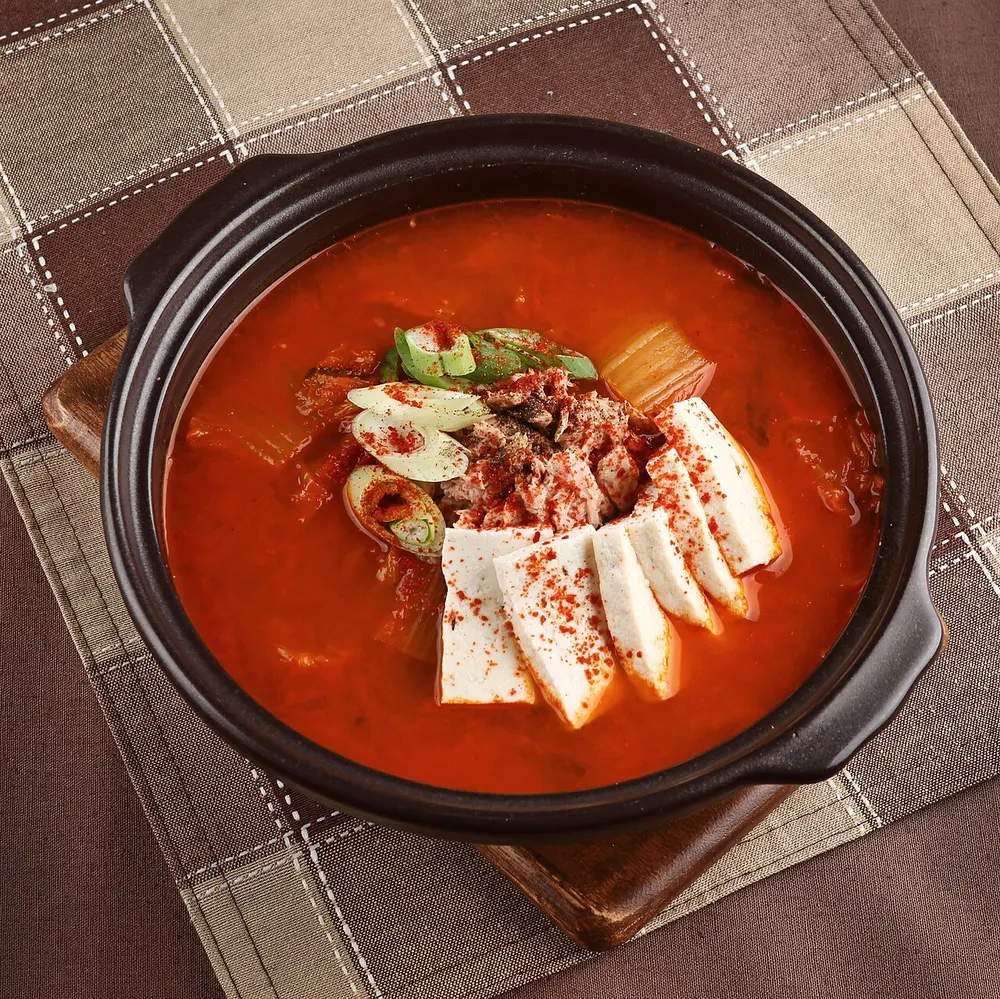
Kimchi Jjigae (Kimchi Stew)
Source: Traditional
30 min3420 kcal
Dairy-free🌶️🌶️
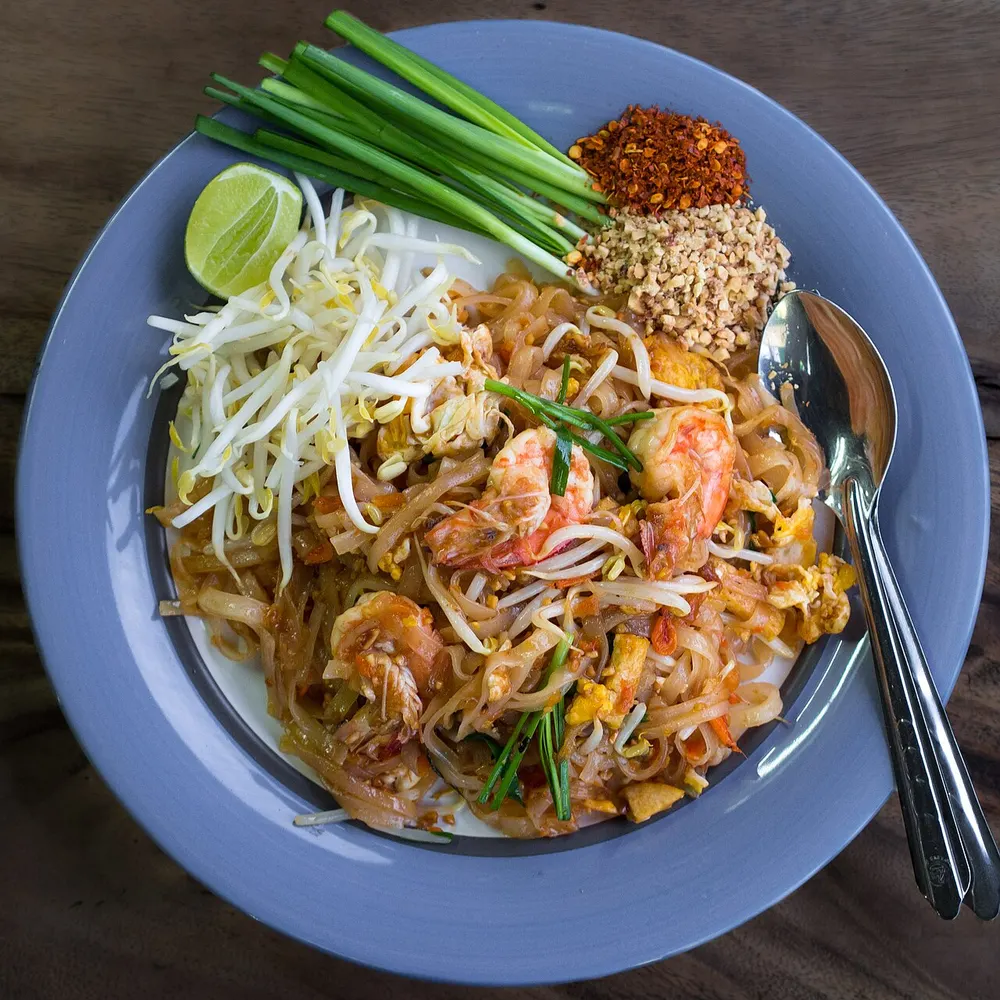
The pad thai she grew up watching her mother throw together. A three-ingredient tamarind sauce cooked in its own pan, and the whole stir-fry over in under five minutes.
Source
Recipe by Marion Grasby · 📱 Influencer · Thai-Australian cook and food producer behind Marion's Kitchen, where she publishes the Thai and Asian home cooking she grew up with
Names of cooks and creators appear as source credit only. More Recipes Please is independent and is not affiliated with, endorsed by, or sponsored by them.
Marion's Kitchen (marionskitchen.com) — Published on Marion Grasby's own site as 'Marion's Favourite Prawn Pad Thai', serving 2, where she writes that it is a lifelong favourite she remembers her mother pulling together at the kitchen table when she was a kid. Her version keeps three details that most shortcut recipes drop — small dried shrimp, chopped pickled radish and Chinese garlic chives — and the tamarind-palm sugar sauce is cooked separately in a saucepan until the sugar dissolves before it ever meets the wok.
Cook: Marion Grasby
Watch it being made
Soak the 100g of rice stick noodles in ROOM-TEMPERATURE water for 30 minutes, until softened but still firm.
💡 Room temperature, not hot. Hot water softens the outside long before the core gives way, and those noodles fall apart in the wok. Half an hour of patience here is the whole recipe.
Cook the soaked noodles in boiling water for 3–4 minutes, until just tender but not soft. Drain and set aside.
If your dried shrimp are on the large or firm side, soak them in just-boiled water for about 15 minutes until softened, then chop them finely.
Make the sauce: combine the 50g tamarind concentrate, 60g shaved palm sugar, 3 tbsp fish sauce and ¼ tsp dark soy sauce in a small saucepan over medium-high heat.
Cook 1–2 minutes, just until the sugar has dissolved and the sauce is glossy. Take it off the heat.
💡 Making the sauce in its own pan is what separates this from the usual home pad thai. Palm sugar needs heat and time to dissolve — tip it into a screaming-hot wok and you get gritty sugar and burnt tamarind instead of a sauce.
Heat the 1 tbsp of vegetable oil in a wok or large frying pan over HIGH heat, until it shimmers.
Add the sliced shallot and stir-fry for 30 seconds, until fragrant.
Add the 300g of prawns and stir-fry until almost cooked — curled, turning pink, still slightly translucent at the centre.
💡 Almost, not fully. They have three more minutes of wok time ahead of them, and a prawn goes from sweet to rubbery in about twenty seconds.
Add the softened dried shrimp, the 2 tsp pickled radish and the 50g diced tofu, and stir-fry for another 30 seconds.
Push everything to one side of the pan and pour the whisked eggs into the empty space. Let them sit and set until golden on the bottom, then break them up and mix them through.
💡 Let it sit. Stir the egg the moment it lands and it coats every noodle in a thin scramble; leave it alone and you get proper golden curds you can actually find in the finished dish.
Add the drained noodles and all of the sauce. Stir-fry until everything is well combined and the noodles have taken on an even amber colour.
Toss through the Chinese chives and the bean shoots — just until they wilt slightly and no more.
💡 Seconds, not minutes. They are here for freshness and crunch against everything else, and thirty seconds too long turns them limp and grey.
Take it off the heat and divide between two plates. Top with the crushed peanuts and serve with lime wedges, chilli powder, spring onion and extra raw bean shoots.
Korean
Source: Traditional
Korean
Source: Home cook
Korean
Source: Home cook
Korean
Source: Traditional
Made this? Share a photo in Showcase.
Share your creation →