Beginner
Korean
Kimchi Jjigae (Kimchi Stew)
Source: Traditional
30 min3420 kcal
Dairy-free🌶️🌶️
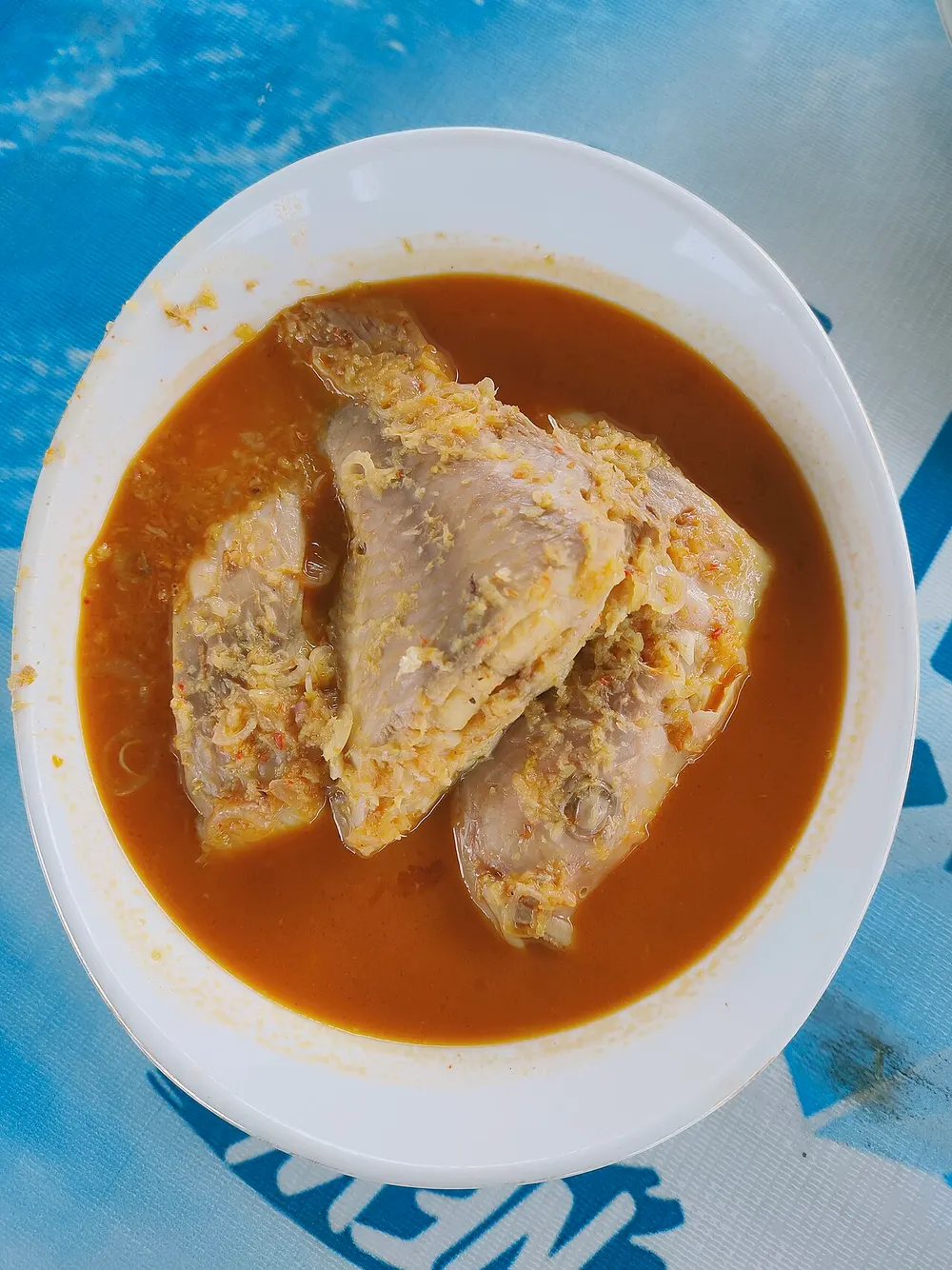
'Sour spicy' says everything — fish stewed in a thin red gravy of pounded chilli and tamarind, sharpened with asam keping and softened with a few okra and a torch ginger bud. No coconut milk; this is the clean, bracing side of Malay cooking, and the dish Malacca claims as its own.
Source
Recipe by Malay home kitchens · 🏺 Traditional · Malay household cooking, Peninsular Malaysia
Malacca · sour and spicy, no coconut — An ownerless traditional dish, so no cook is credited. The cited article confirms asam pedas as a sour and spicy gulai of Malay, Minangkabau, Acehnese and Peranakan cuisines made with seafood or freshwater fish in a broth of chillies and spices soured with tamarind, asam keping or lime, with regional names including gerang asam and asam padeh. The paste, the no-stir rule, the herbs, timings and quantities are this book's own.
Watch it being made · 3 videos
Blend both chillies, shallots, garlic, turmeric, galangal and belacan into a paste.
Fry the paste in the oil over medium heat 8–10 minutes until it darkens, smells cooked and the oil splits out red.
💡 The oil must split. Asam pedas with an undercooked paste tastes raw and bitter no matter how much tamarind goes in.
Add the water, tamarind, asam keping, torch ginger, half the daun kesum, salt and sugar. Simmer 10 minutes.
Add the fish, okra and tomato. Simmer gently, without stirring, 10–12 minutes until the fish flakes and the okra is tender but still green.
💡 Do not stir once the fish is in — spoon gravy over it instead. Stirred fish breaks into the gravy and the dish turns to porridge.
Taste — it should be clearly sour, then hot, with just enough salt. Scatter the remaining daun kesum and serve with plain rice.
Korean
Source: Traditional
Korean
Source: Home cook
Korean
Source: Home cook
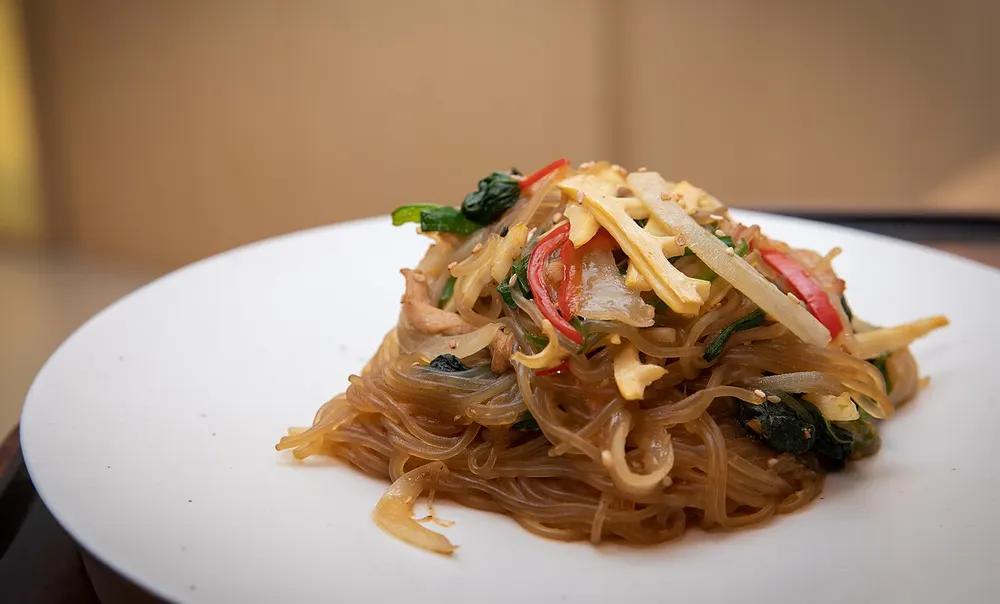
Korean
Source: Traditional
Made this? Share a photo in Showcase.
Share your creation →